Wall insulation Placerville homes rely on does more than block drafts. It stabilizes indoor temperatures, lowers energy bills, and in wildfire-prone foothill neighborhoods, it can even add a layer of protection against embers. If your home still has its original exterior walls, there's a good chance they're working harder than they should.
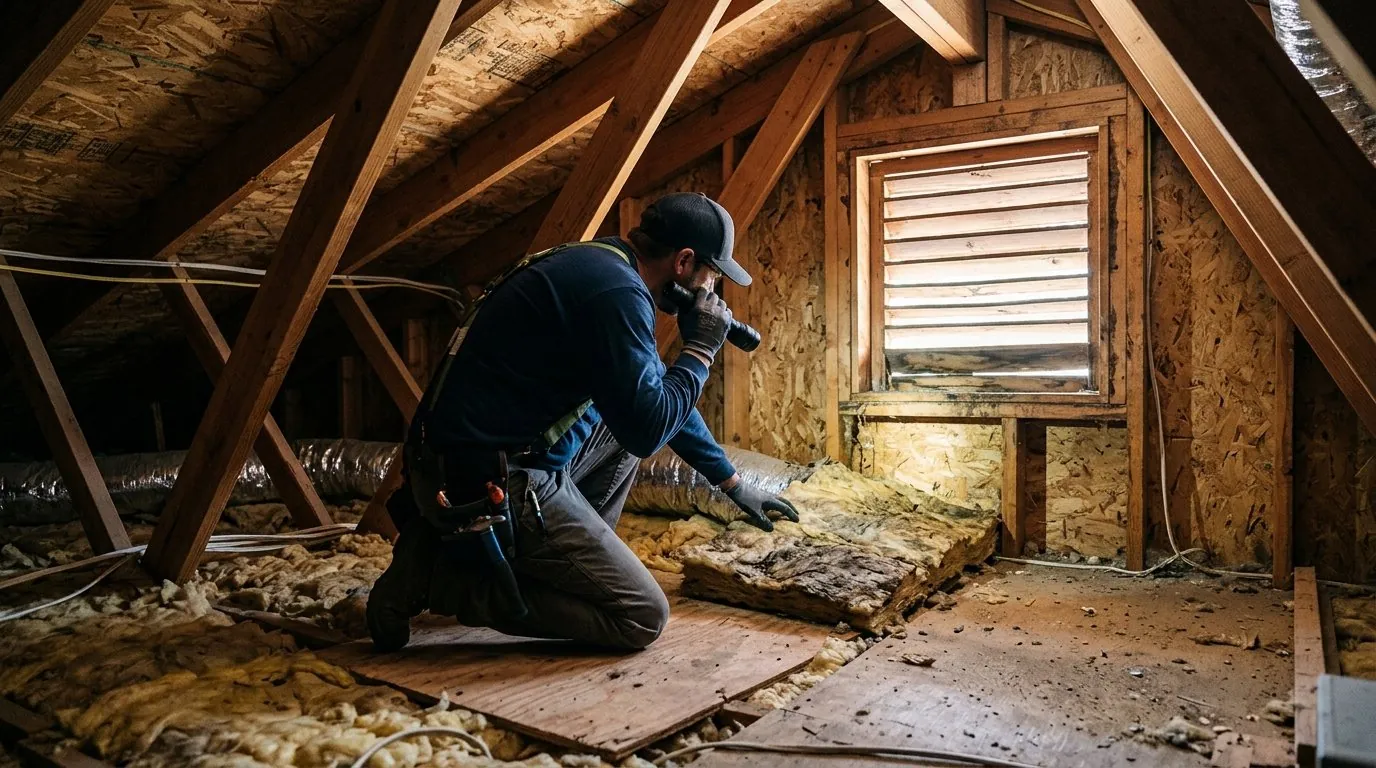
Most homeowners focus on attic insulation first and overlook their walls. But exterior walls are a massive part of your home's thermal envelope, and in older foothill properties, they're often the most neglected part. Insulation Specialist Inc has seen firsthand how much of a difference properly insulated walls make once winter nights settle into the area.
Why So Many Older Foothill Homes Have Uninsulated Walls
Building codes used to be far less strict about wall insulation than they are now. Many homes across Placerville, Auburn, and Colfax were built before the state's original energy standards took hold.
That means a large share of local housing stock still has under-insulated attics or exterior walls with little to no insulation at all. Nobody notices this problem until a cold snap hits or an energy bill spikes. By then, the inefficiency has likely been costing money for years.
California's updated Title 24 energy standards continue to push for a tighter, better-insulated building envelope. Walls are part of that envelope, not an afterthought, and upgrading them helps a home meet modern performance expectations.
Wall Insulation Placerville Homes Need for Lower Energy Bills
Heating and cooling make up the largest chunk of most residential energy bills in California. When exterior walls are poorly insulated, your HVAC system has to work overtime just to maintain a steady indoor temperature.
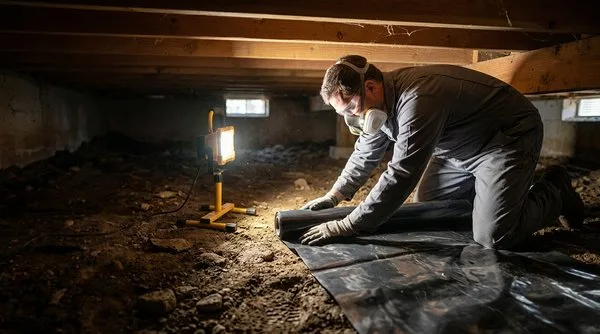
According to the U.S. Department of Energy and EPA, sealing and insulating matters a lot. Attics, crawlspaces, and walls are the biggest areas to target. Together, they can cut total heating and cooling costs by 15% to 30%. That's a meaningful reduction, especially for homes running furnaces through cold mornings in the area and air conditioners hard through the summer months.
Think of wall insulation as a thermal buffer. It keeps warm air inside on chilly November nights and slows heat transfer once summer returns. Over time, that reduced strain can also extend the life of your HVAC equipment.
Wall Insulation and Wildfire Hardening Go Together
In Wildland-Urban Interface zones throughout the area, insulation isn't just about comfort. It's part of a broader home-hardening strategy against wildfire exposure.
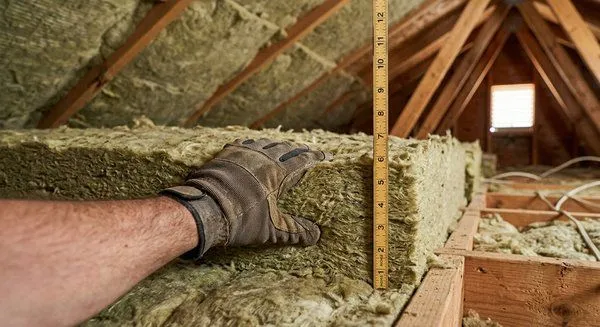
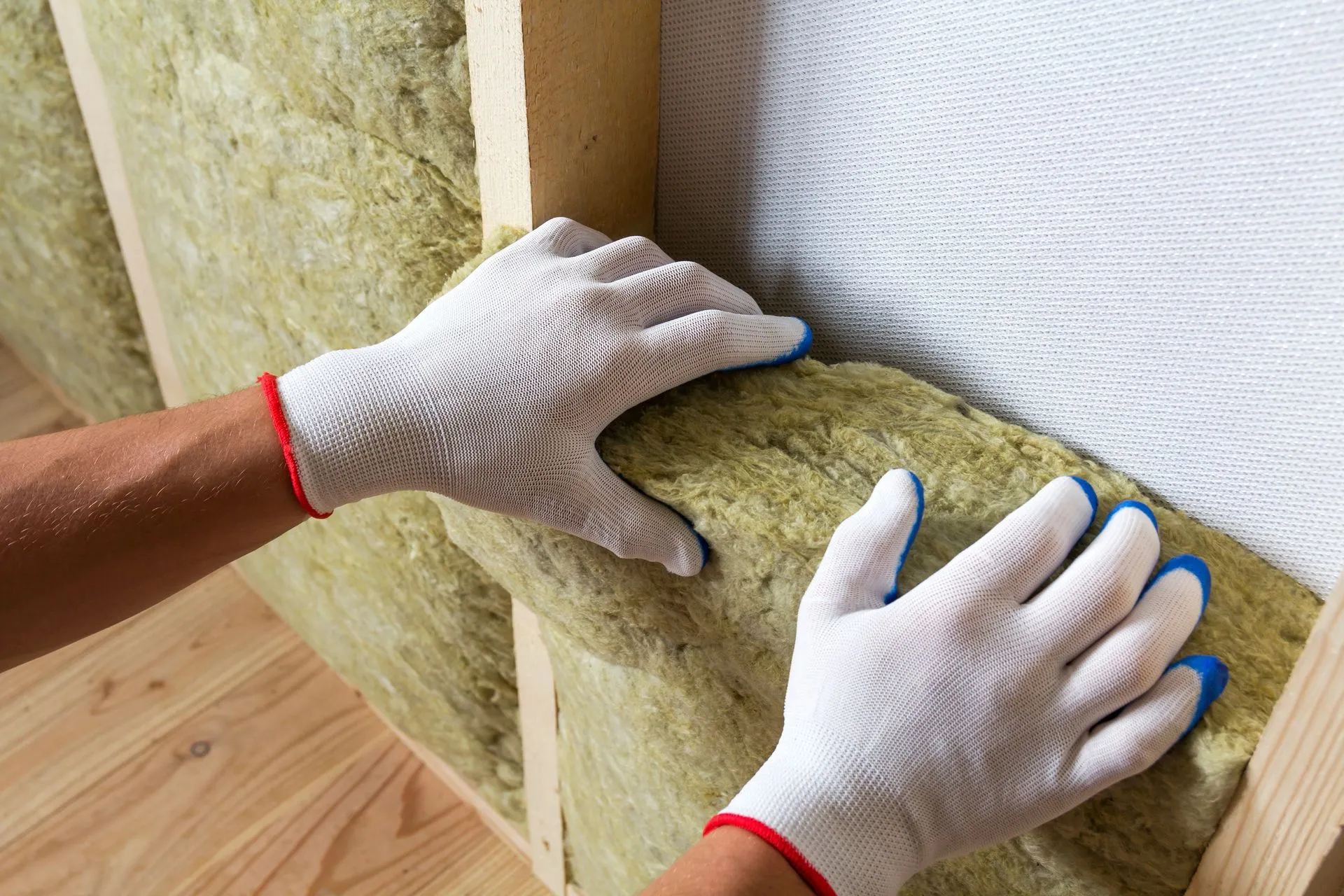
Up to 25% to 30% of a home's heat exchange happens through the attic, but exterior walls and the materials inside them matter too. Contractors across the region are increasingly pairing non-combustible materials, like mineral wool, with continuous air sealing to create a more ignition-resistant structure.
Applying that same thinking to perimeter walls means fewer gaps for heat and embers to exploit during a wildfire event. Combined with ember-resistant vent screening at other points of the home, it builds a more complete defense system rather than relying on a single fix.
Signs Your Walls May Need New Insulation
Not sure if your walls are part of the problem? A few common clues tend to show up before homeowners even think to check their walls:
- Rooms near exterior walls feel noticeably colder in winter
- Interior walls feel cold or drafty to the touch
- Higher than expected heating bills compared to similar-sized homes
- Noticeable temperature differences between rooms
- Visible gaps or old, compressed insulation during any wall opening or renovation
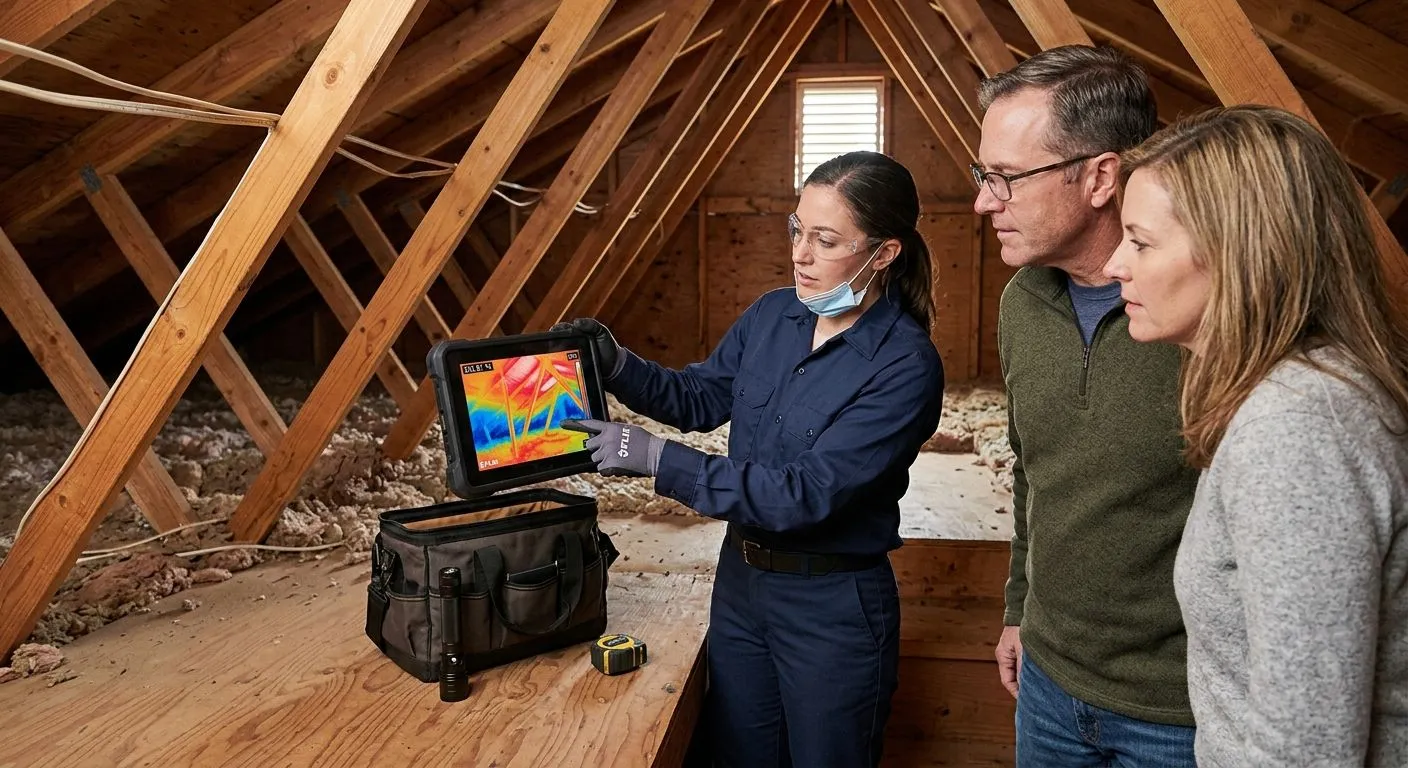
If two or more of these sound familiar, it's worth having your walls evaluated. Many homeowners are surprised at how much air leakage is happening behind drywall they've never thought twice about.
What a Wall Insulation Upgrade Involves
Every home is different, but a typical wall insulation project generally includes a few key steps. Here's what homeowners can expect from a straightforward upgrade:
- An inspection to assess existing insulation levels and wall condition
- Removal of old, degraded, or pest-damaged material if needed
- Air sealing around outlets, plumbing penetrations, and framing gaps
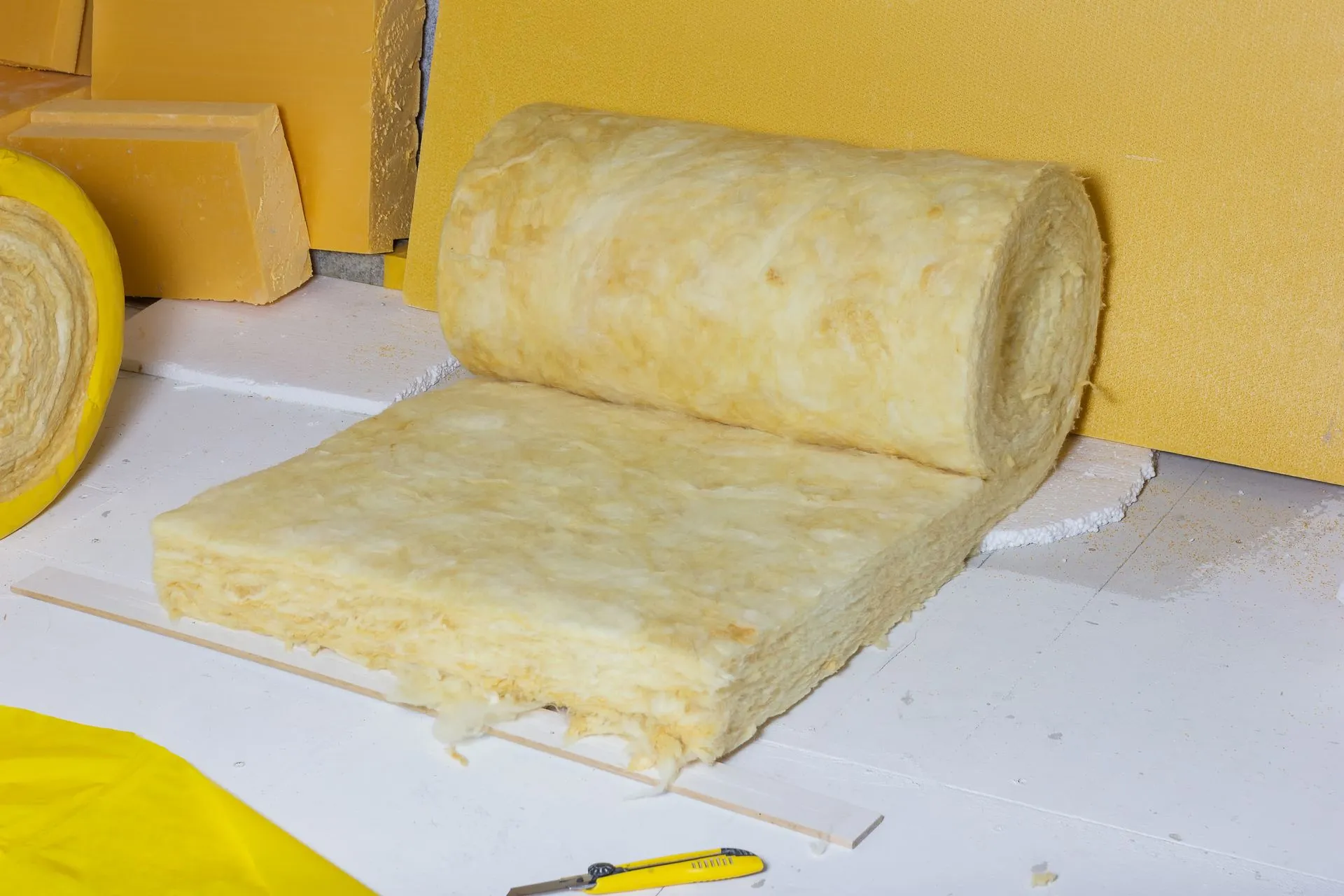
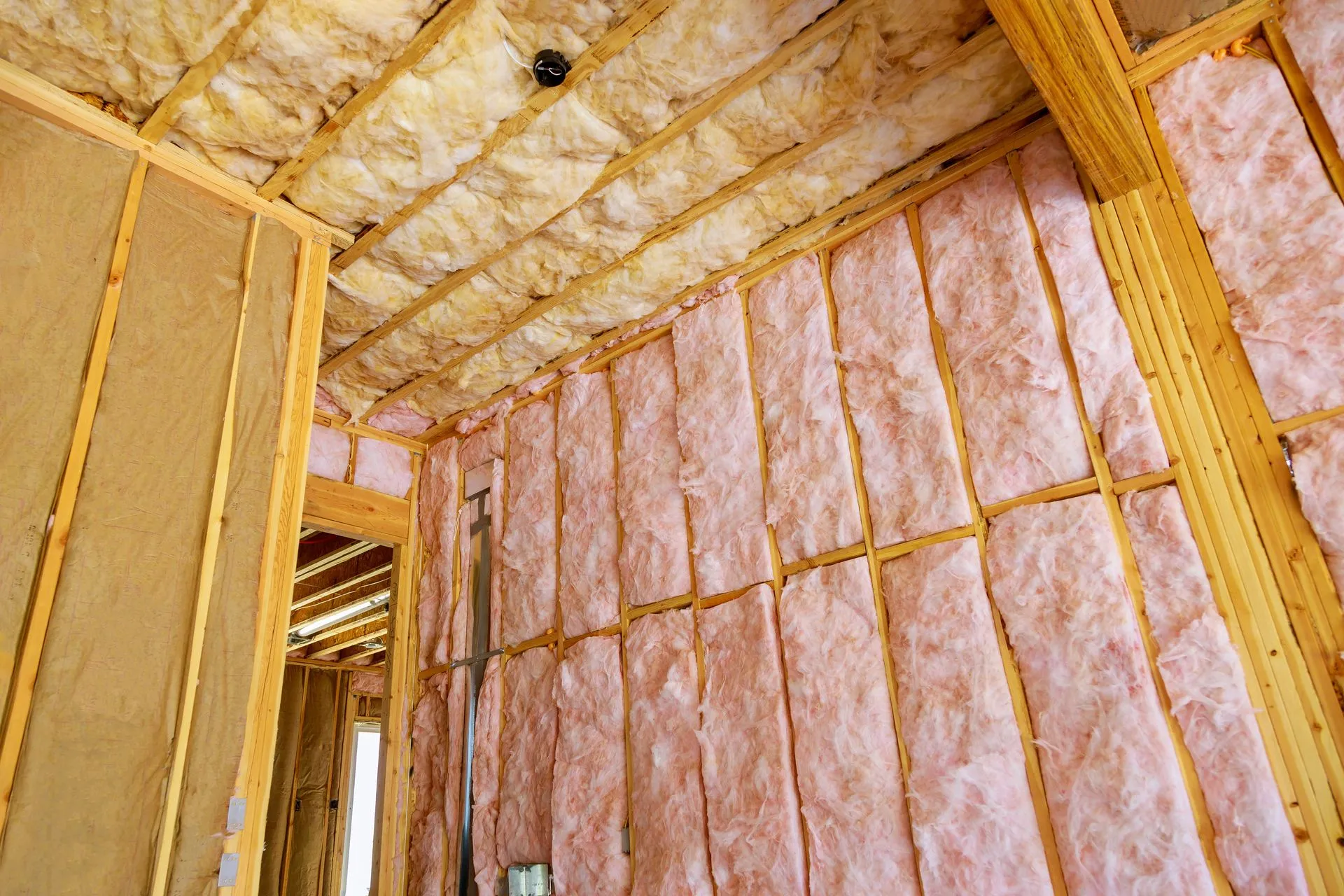
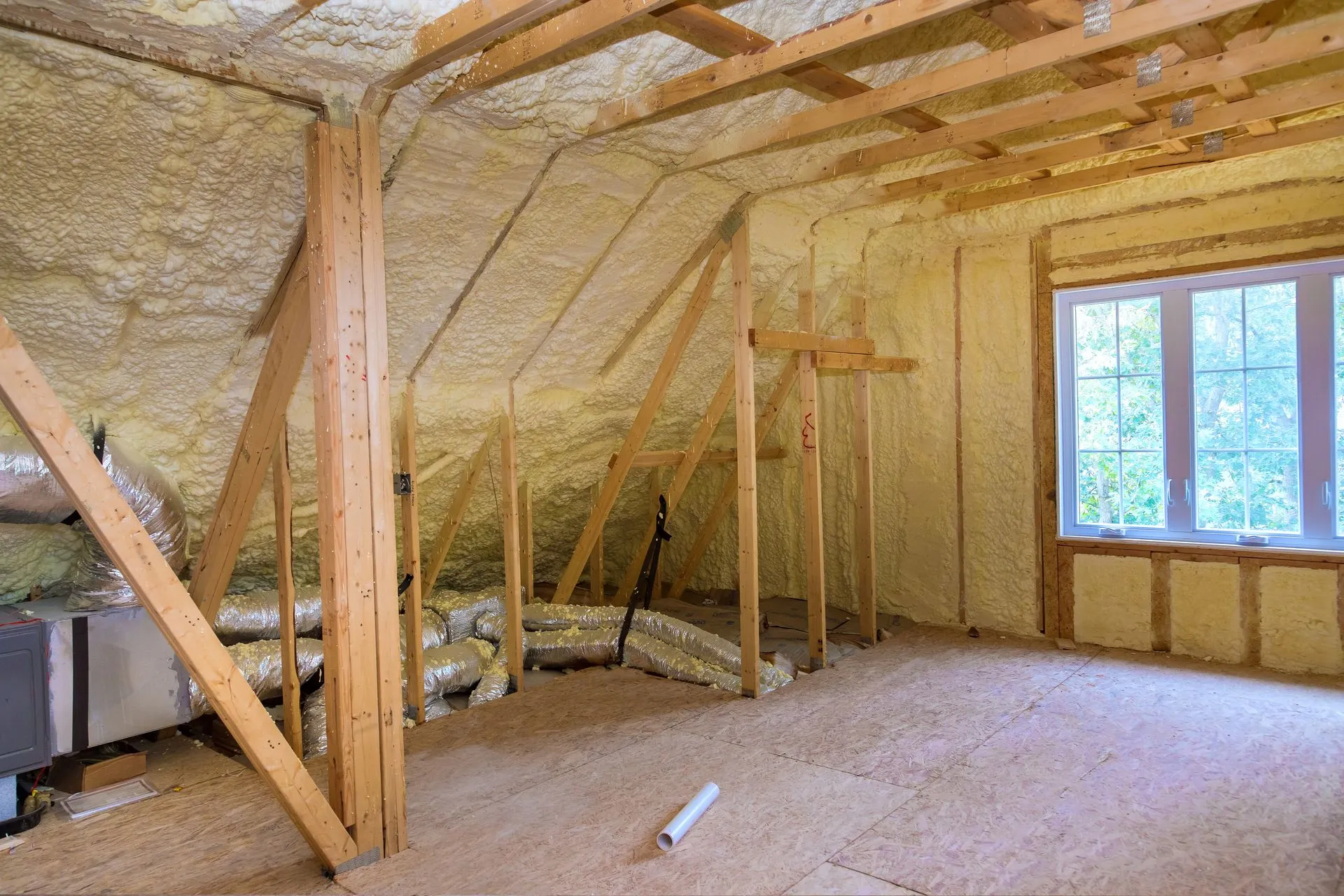
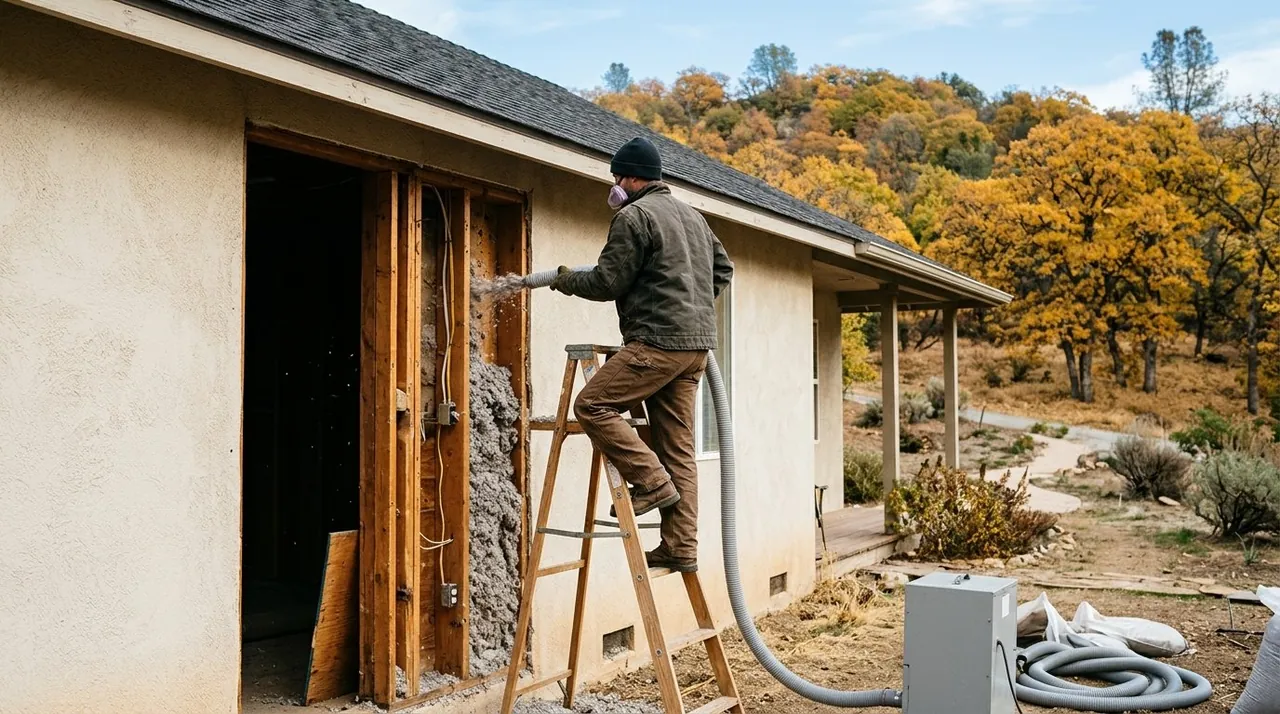
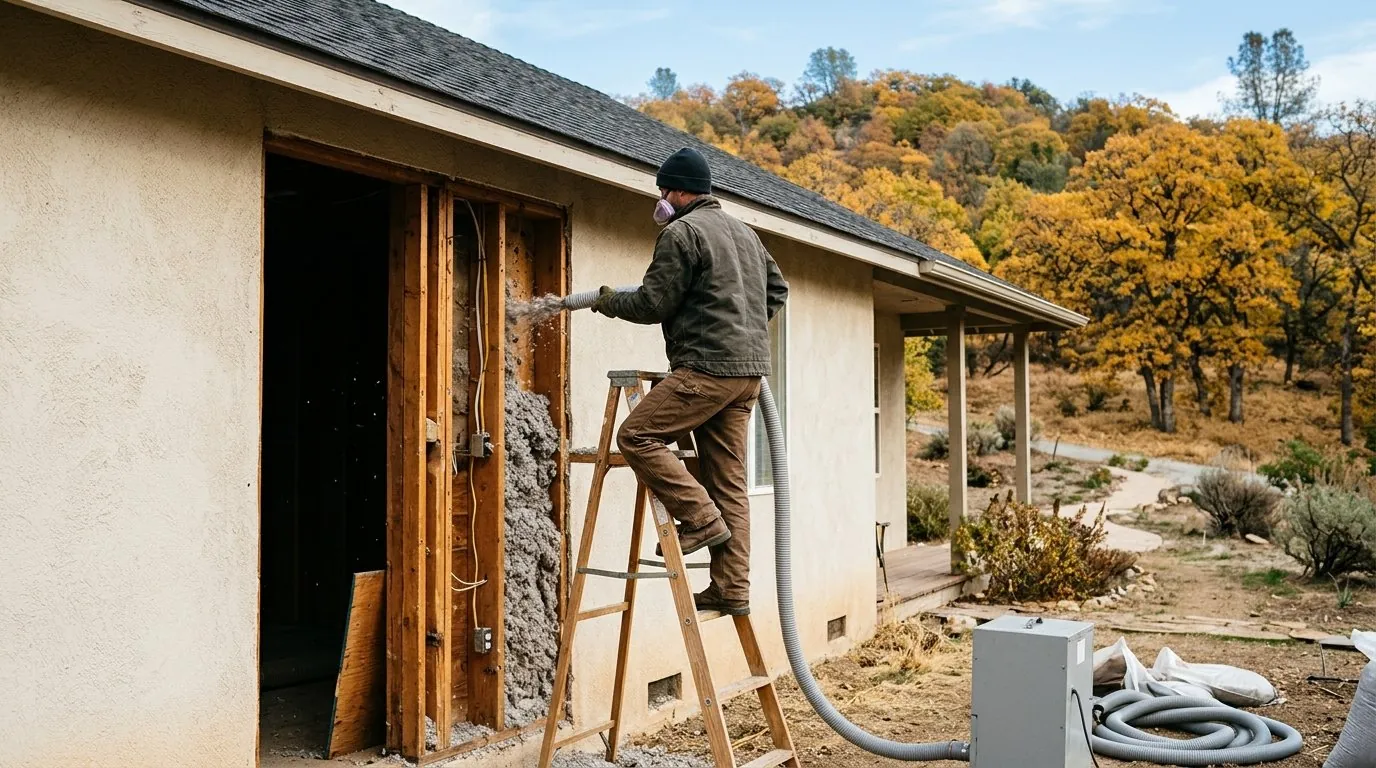
- Installation of blown-in, batt, or spray foam insulation depending on wall type and access
- A final check to confirm consistent coverage throughout the wall cavity
This process works for both older homes undergoing retrofits and new construction projects where insulation can be installed before walls are closed up. Many customers mention how surprised they are by the difference in comfort just a few days after the work is finished.
You can see examples of completed projects and learn more about our wall insulation approach before scheduling an assessment.
Frequently Asked Questions
Does wall insulation really make a noticeable difference in older homes?
Yes. Homes built before stricter energy codes were adopted often have little or no wall insulation. Adding insulation typically improves comfort and energy use right away.
Can wall insulation help with wildfire preparedness, not just energy savings?
It can contribute to a broader home-hardening strategy. Pairing non-combustible materials with thorough air sealing helps reduce vulnerable gaps where heat and embers could otherwise penetrate.
Do I need to remove my drywall to add wall insulation?
Not always. Depending on the wall type, insulation can sometimes be blown in through small access points. Some projects still require opening the wall for full coverage.
How do I know if my walls are under-insulated?
Cold spots near exterior walls, drafty rooms, and uneven temperatures between rooms are common signs. A professional assessment can confirm insulation levels and pinpoint problem areas.
Is wall insulation worth it for newer homes too?
Newer homes built to current standards usually have adequate wall insulation. It's still worth confirming during renovations or additions. This matters most in older sections of a home.
If your walls have been quietly driving up your energy bills, now is a good time to find out why. Reach out to Insulation Specialist Inc for a free, no-obligation consultation and see what a properly insulated home should feel like.