

Rodent-damaged attic insulation shows up as compressed, torn, or foul-smelling material that no longer holds its shape or its R-value. If your attic insulation looks flattened or shredded, mice or rats have likely already moved in. For homeowners tucked into Placerville's oak and pine-covered neighborhoods, this isn't a rare problem. It's one of the most common reasons local attics fail inspection and homes lose heating and cooling efficiency.
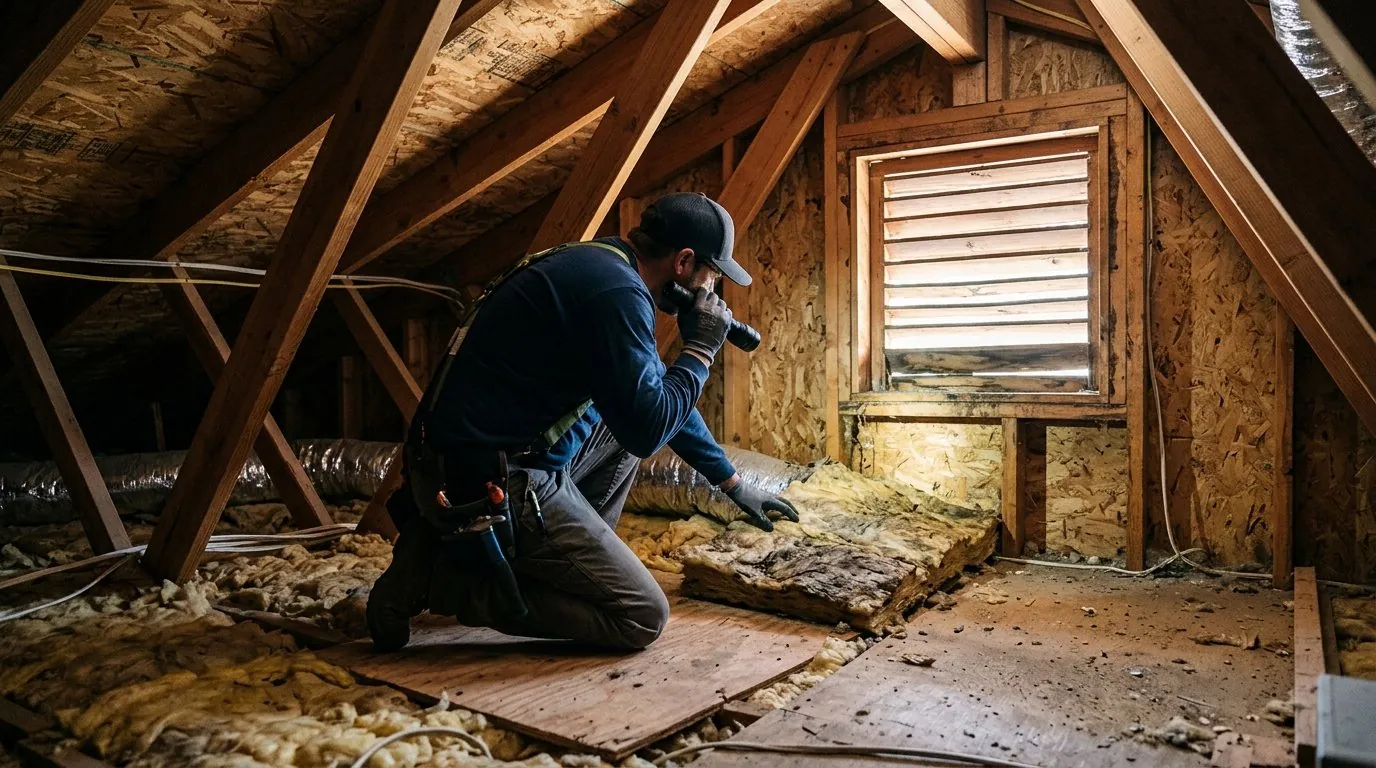
Why Placerville Attics Are a Rodent Magnet
Placerville sits in a heavily wooded pocket of the foothills, and that scenery comes with a tradeoff. Mice, rats, and other small critters treat attics as an extension of the forest floor. Warm, dry, and undisturbed, your attic offers exactly what rodents look for once temperatures start to shift.
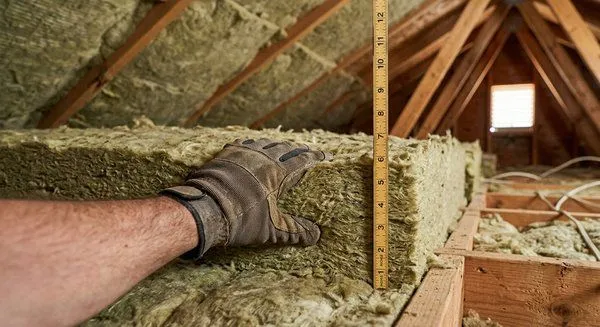
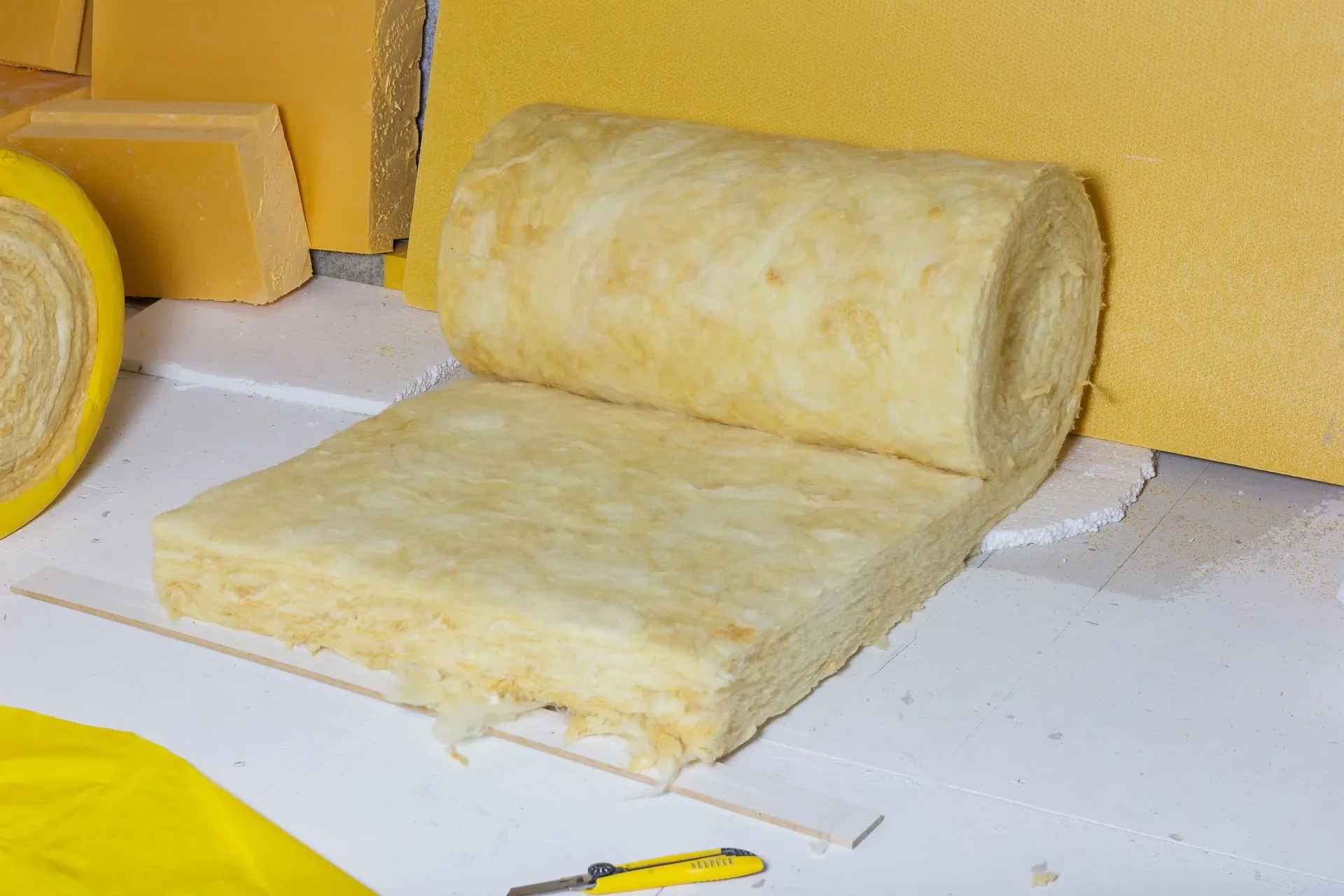
Loose-fill and traditional fiberglass batts are especially appealing to nesting rodents. They tunnel through the material, compact it into nests, and leave droppings behind as they go. Once that happens, the insulation's ability to trap heat or block cold air drops fast.
Signs of Rodent-Damaged Attic Insulation
Most homeowners don't climb into their attic regularly, so damage often goes unnoticed for months. Watch for these red flags instead:
- Scratching or scurrying sounds coming from the ceiling or walls, especially at night
- Uneven or lumpy spots in attic insulation when viewed from the access hatch
- A persistent musty or ammonia-like odor drifting into upstairs rooms
- Rooms that feel drafty or inconsistent in temperature despite a working HVAC system
- Visible droppings, shredded paper, or nesting material near vents and eaves
If any of these sound familiar, it's worth a professional look before winter's cold snaps arrive.
The Numbers Behind a Widespread Foothill Problem
This isn't a fringe issue. Professional insulation contractors report finding rodent contamination in 35% to 45% of attic inspections across similar wooded, semi-rural regions. That's a strikingly high rate, and it means nearly half of local attics could already be compromised without the homeowner knowing it.
Rodent activity doesn't just make insulation look messy. It physically destroys the loft and density that give insulation its thermal performance. A compressed, tunneled section of insulation can't resist heat flow like it once did. This drives energy bills higher, even if nothing else changes in the home.
Why Contaminated Insulation Can't Just Be Cleaned
Once pests have nested in fiberglass or loose-fill material, the contamination goes deeper than a simple wipe-down or vacuum job could fix. Urine and droppings soak into the fibers themselves, creating a lasting biohazard. Many homes draw ventilation air from attic and wall cavities. Airborne pathogens can then circulate through the rooms where your family sleeps and breathes.
The only real fix is full removal followed by a fresh, properly installed replacement. Attempting to salvage rodent-damaged material almost always means living with lingering odors and reduced performance. Insulation Specialist Inc handles this two-step process directly: pulling out the compromised material safely, then installing new insulation built to current performance standards.
What Professional Removal and Replacement Looks Like
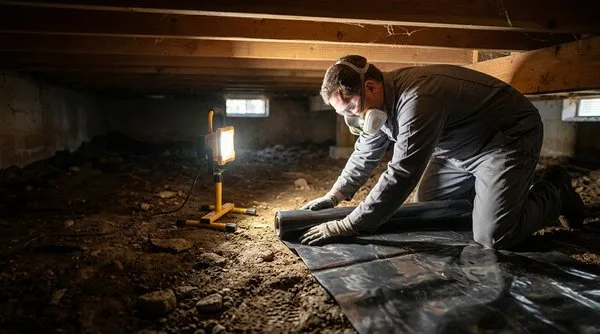
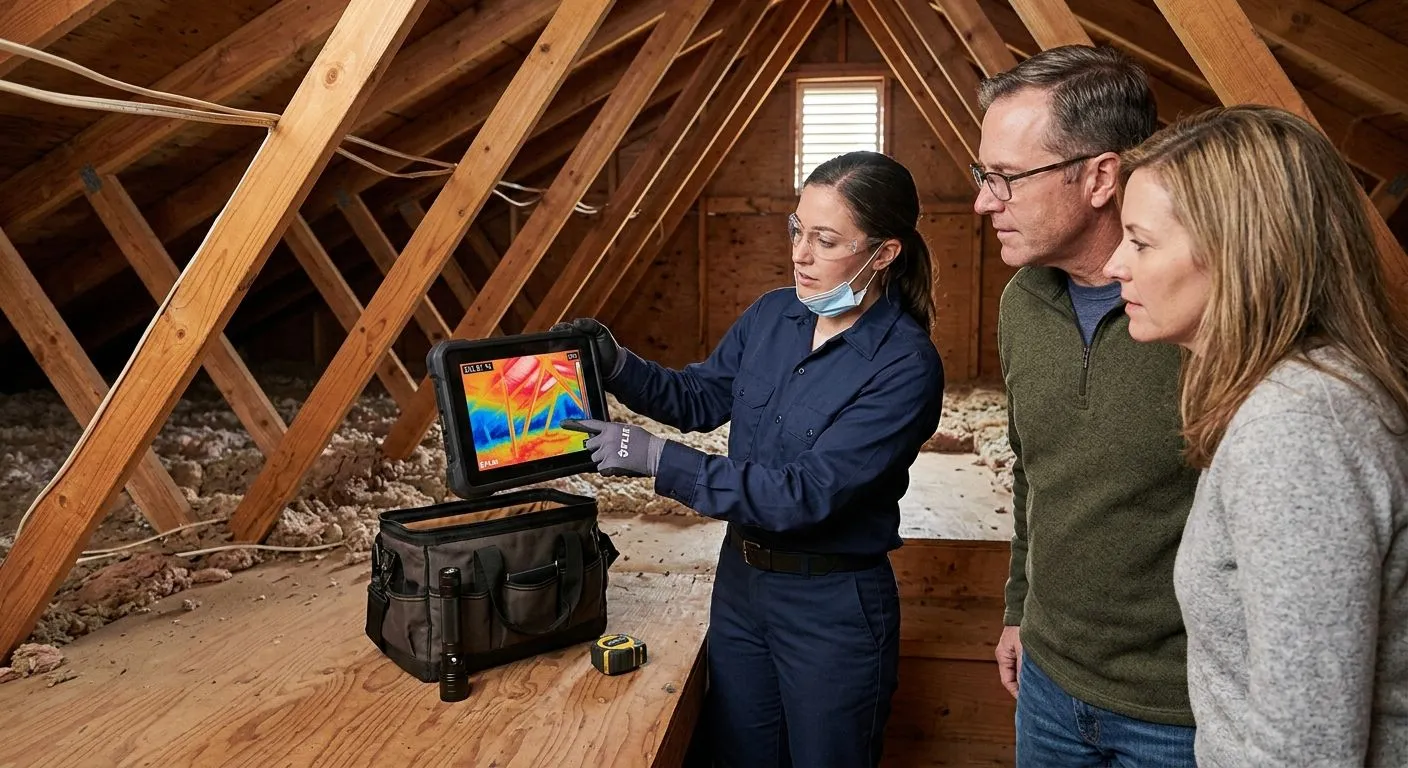
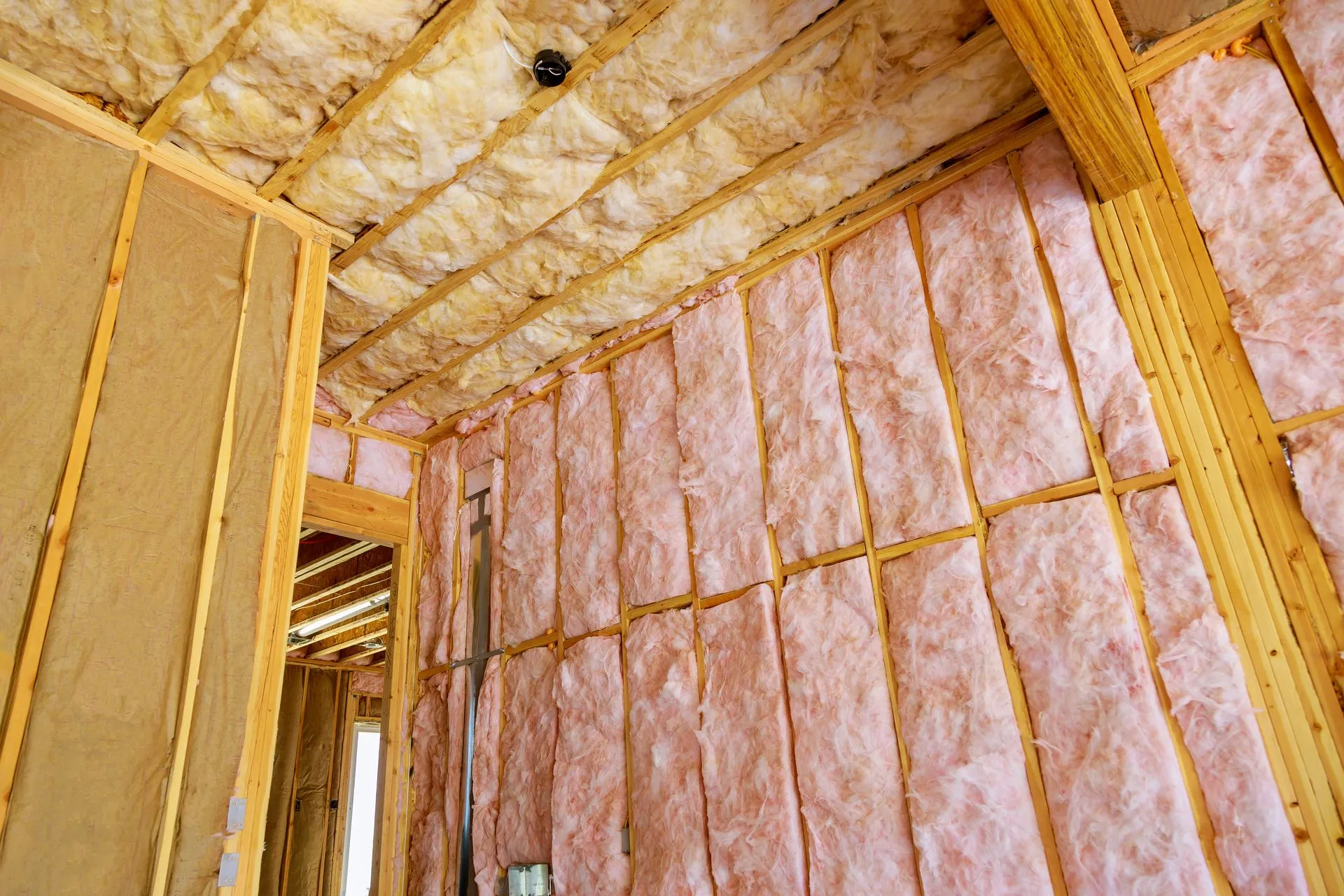
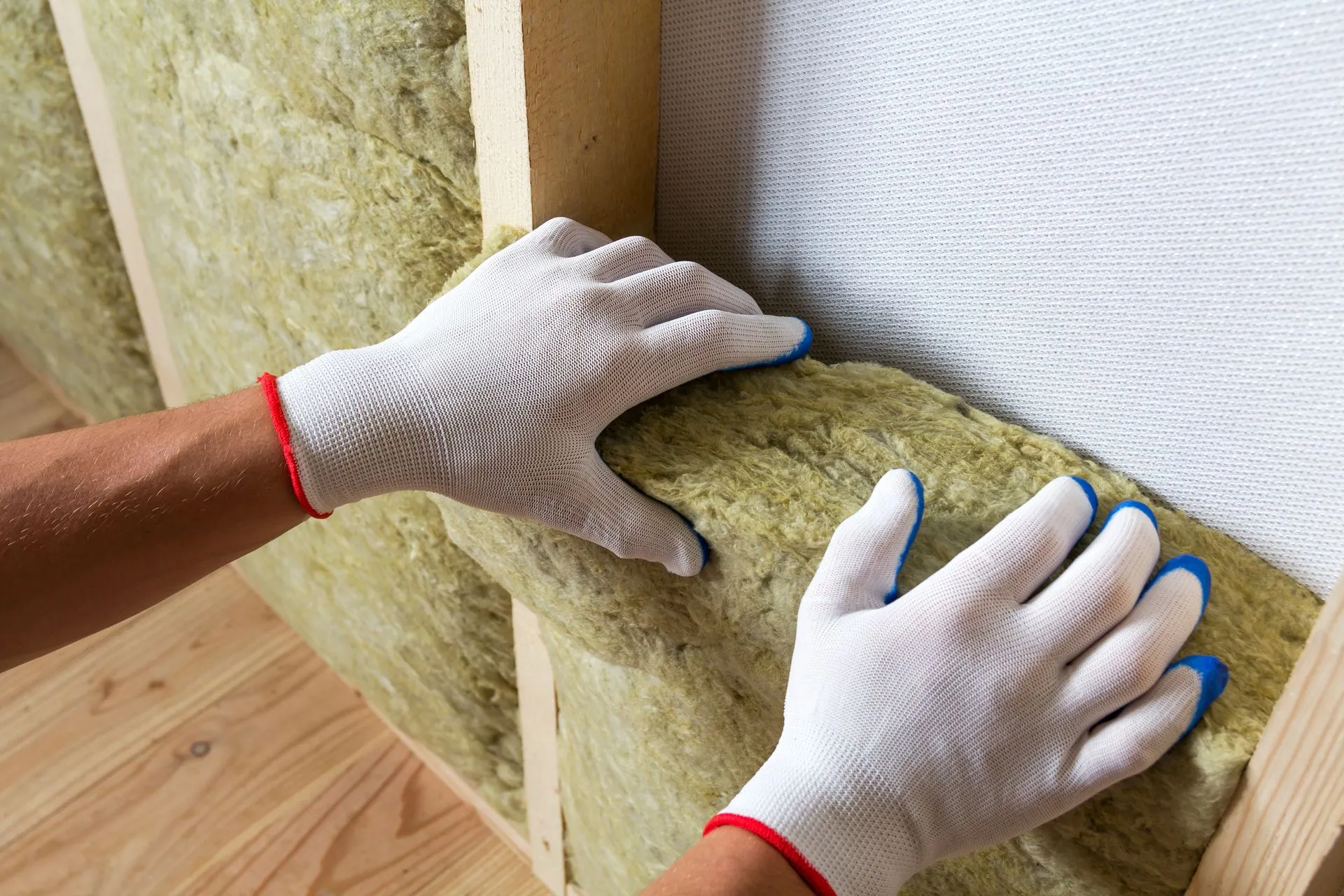
A thorough job starts with an attic inspection to map out how far the contamination spreads. From there, the old material gets carefully removed and disposed of, taking the biohazard risk with it. Finally, fresh insulation goes in, restoring the attic's thermal boundary from scratch.
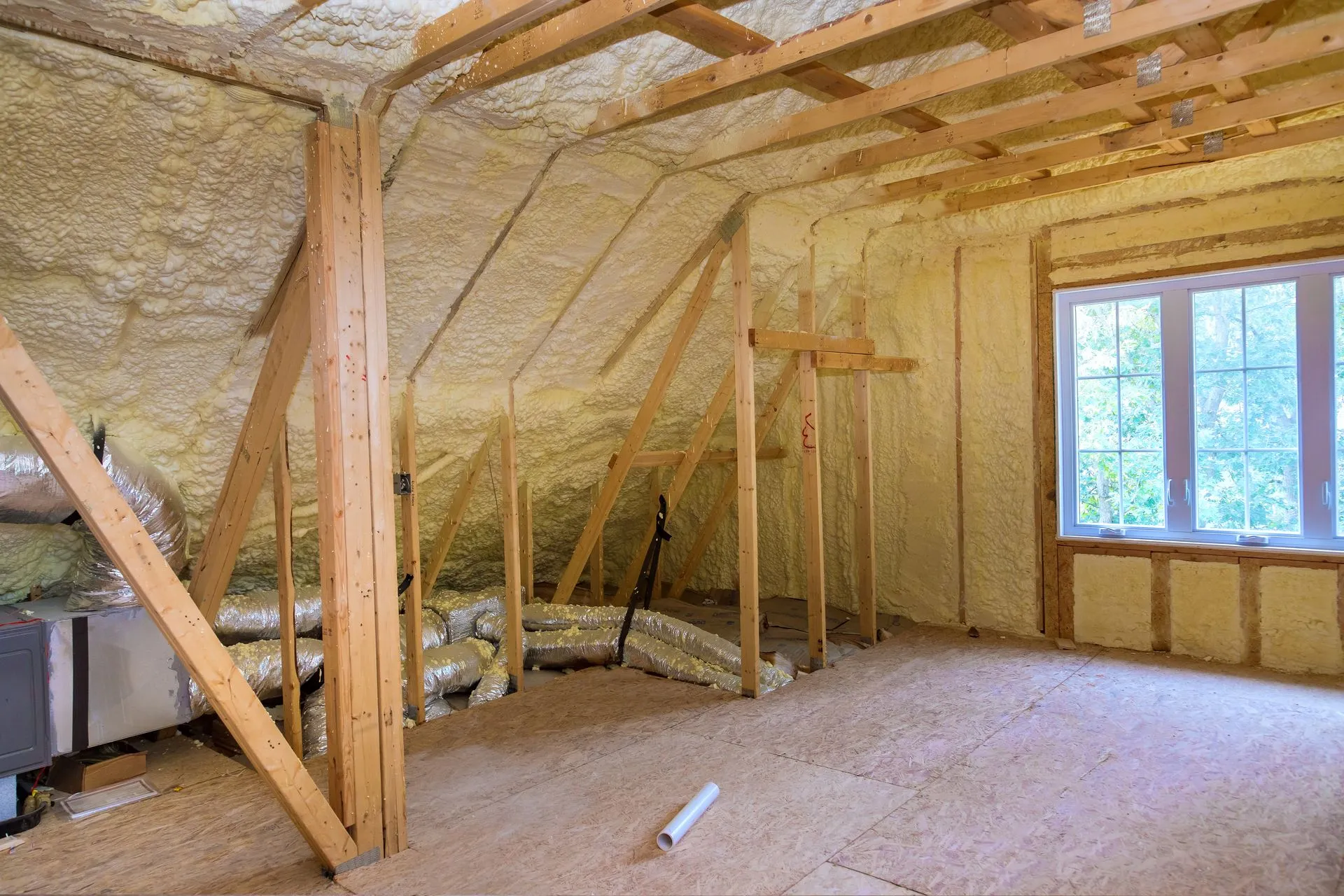
For Placerville homes, this is also a smart moment to consider the broader benefits of a properly insulated attic. That includes protection against extreme summer heat and winter cold. Homeowners who invest in professional insulation removal and replacement often notice a more even indoor temperature almost immediately once the new material is in place.
Keeping Rodents Out for Good
Replacing damaged insulation solves the immediate problem, but keeping pests from returning matters just as much. A few practical steps go a long way:
- Seal visible gaps around roof vents, eaves, and utility penetrations where rodents squeeze through
- Trim back tree branches and vegetation touching the roofline
- Schedule periodic attic checks, especially heading into cooler months when rodents seek shelter indoors
- Address any new signs of activity quickly, before nesting spreads further
Consistent monitoring, paired with a properly sealed attic, keeps small problems from turning into full insulation failures again.
If you've noticed odd smells, drafty rooms, or suspicious sounds overhead, don't wait for the problem to spread further. Reach out to Insulation Specialist Inc for a straightforward attic assessment and get your home's insulation back to full strength.
Frequently Asked Questions
How do I know if my attic insulation needs full replacement instead of a repair?
If insulation is compressed, torn, or has visible droppings mixed in, repair isn't realistic. Contaminated material needs to be fully removed to eliminate the health risk, then replaced with new insulation.
Can rodent damage really affect my energy bills?
Yes. Compressed or tunneled insulation loses much of its original thermal performance. Heat escapes in winter and enters in summer, which pushes your HVAC system to work harder.
Is it safe to remove rodent-contaminated insulation myself?
It's not recommended. Droppings and nesting material can carry pathogens that become airborne once disturbed, so professional removal with proper handling is the safer route.
How often should Placerville homeowners check their attic for pest activity?
A yearly check is a reasonable baseline. Homes near heavy tree cover may benefit from more frequent inspections, particularly as temperatures cool in October and rodents look for shelter.