Attic Insulation Upgrade: Save More in Placerville
An attic insulation upgrade is one of the fastest ways to lower your energy bills in Placerville. If your home is losing conditioned air through a poorly sealed attic, your HVAC system is working far harder than it should.
Insulation Specialist Inc serves homeowners throughout Placerville, Folsom, and Rancho Cordova. This guide breaks down exactly why upgrading your attic insulation matters in 2026, what local conditions make it urgent, and how to take full advantage of available financial incentives.
Why Placerville Homes Are Especially Vulnerable
The Sierra Nevada foothills deliver a punishing climate. Winters bring freezing overnight temperatures. Summers push into the mid-90s, sometimes higher.
That temperature swing puts enormous stress on your home's building envelope. The attic is the single biggest weak point. Heat rises, and without adequate insulation, it escapes in winter and floods back inside during summer.
The result is a simple equation. Your HVAC system runs longer. Your energy bill climbs higher. And with PG&E residential rates now sitting at 45.0 to 48.0 cents per kWh, every wasted hour of HVAC runtime is expensive.
What "Under-Insulated" Actually Looks Like
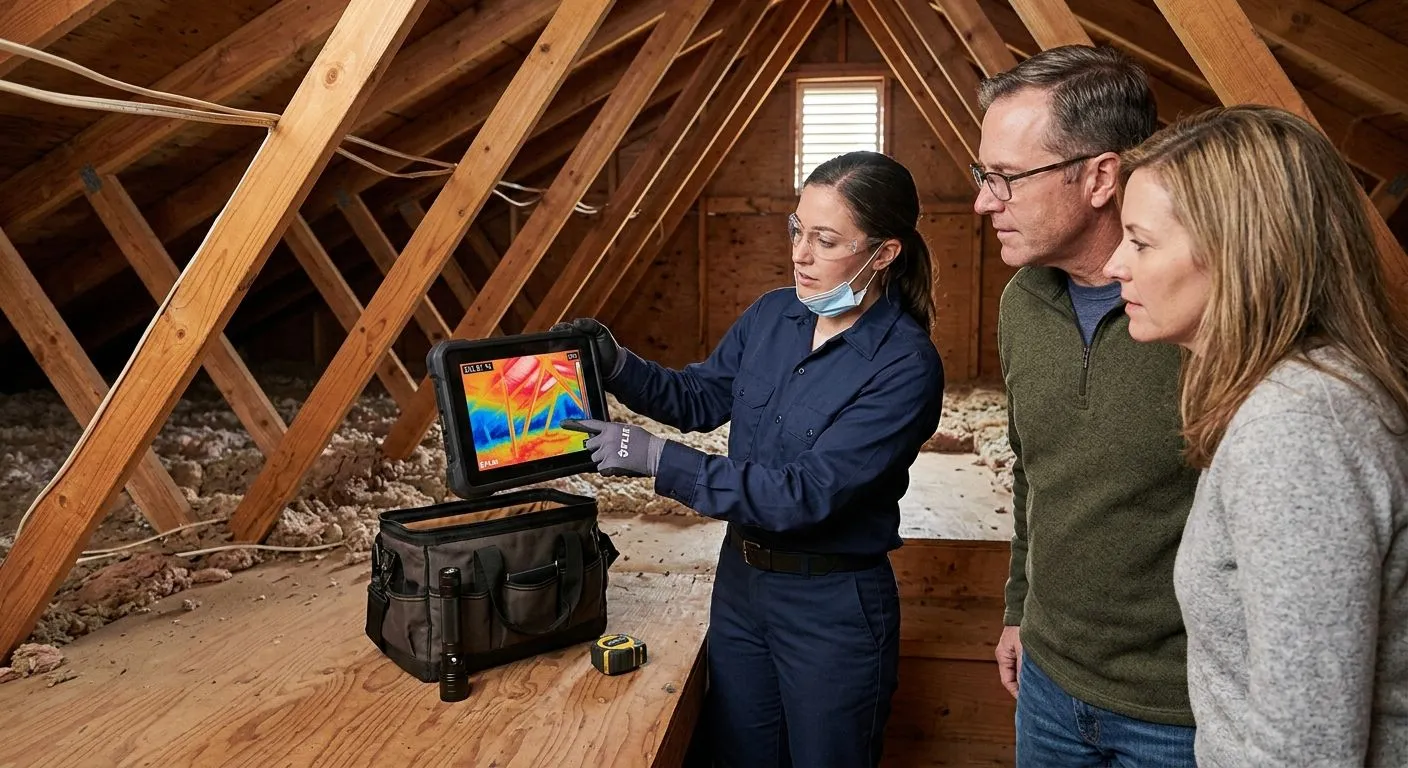
Many Placerville homeowners don't realize their attic insulation is insufficient until their bills spike. Here are common signs worth checking:
Uneven room temperatures: Upstairs rooms feel much hotter or colder than downstairs spaces.
HVAC running constantly: Your system rarely reaches the thermostat setpoint, especially on extreme weather days.
Ice dams in winter: Heat escaping through the roof melts snow unevenly, causing water damage along eaves.
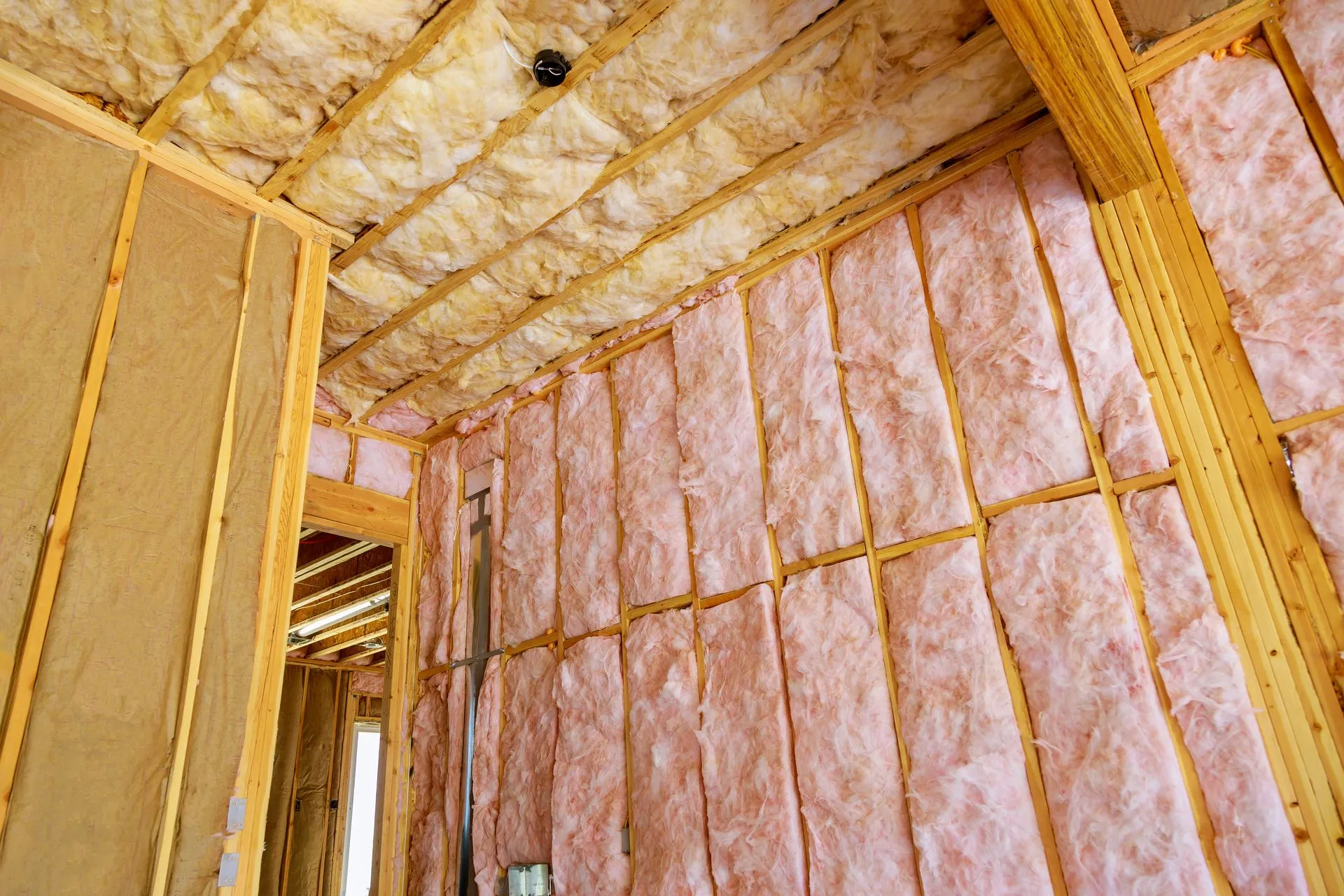
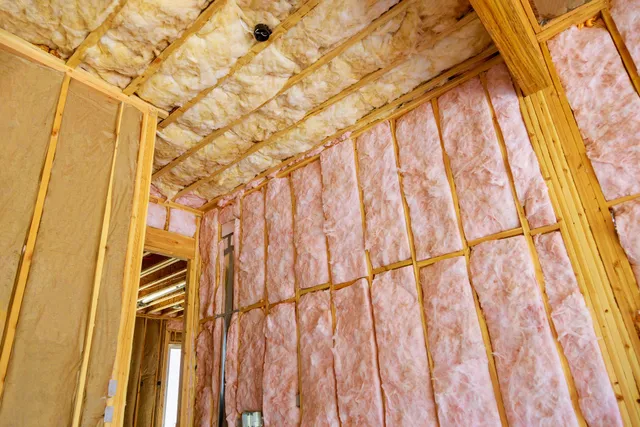
Visible gaps or thin coverage: Attic insulation that has settled, shifted, or been disturbed by pests or prior contractors.
High utility bills year-round: Bills that spike in both July and January point directly to envelope failure.
If two or more of these apply to your home, an attic insulation upgrade is likely overdue.
2026 Title 24 Standards: What Changed
California's updated Title 24 Building Energy Efficiency Code raises the bar in 2026. Minimum R-value requirements for attics and ceilings have increased. This affects both new construction and retrofit projects.
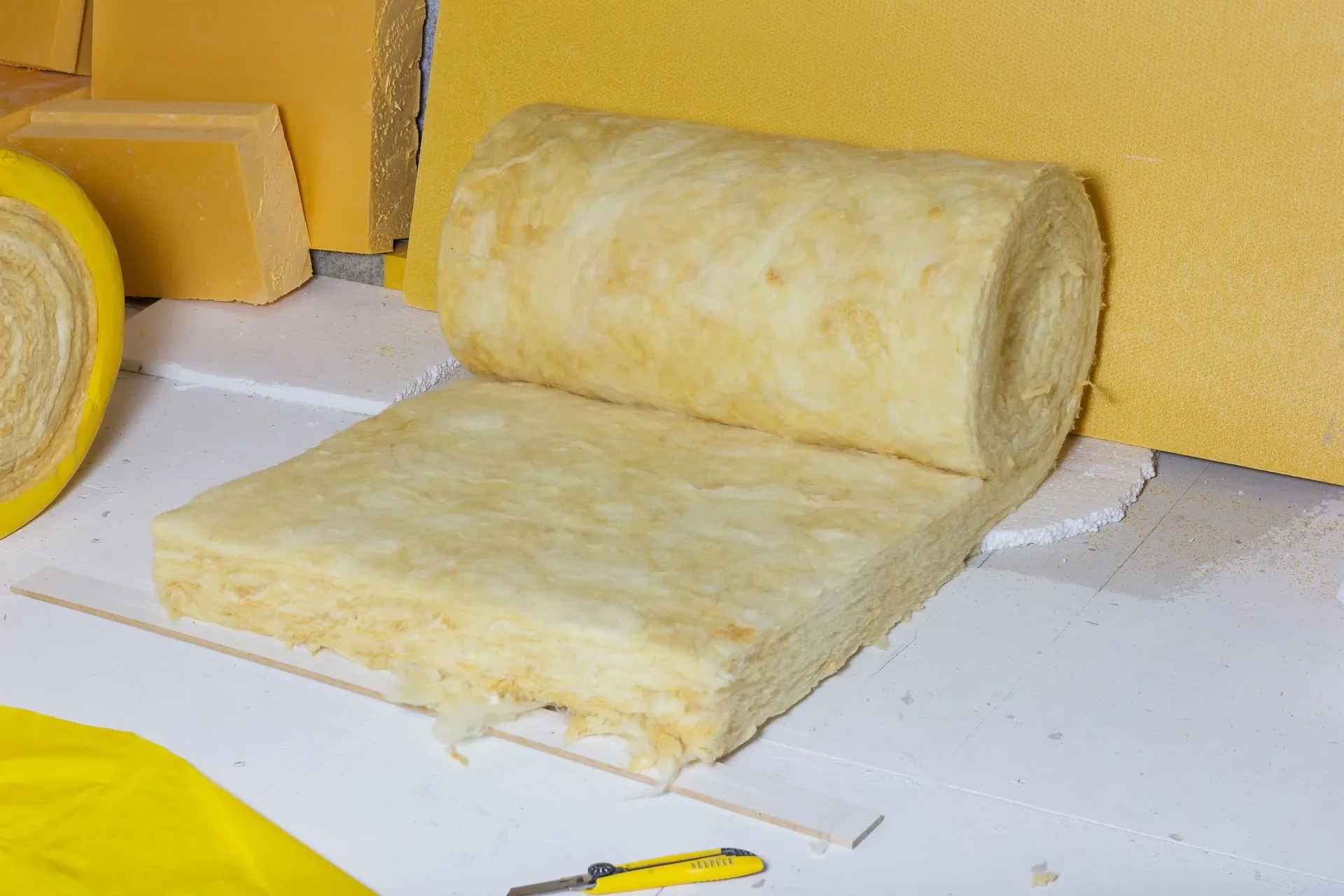
Older fiberglass batts installed ten or fifteen years ago may no longer meet the updated baseline. This isn't a technicality. It's a code compliance issue that affects permits, resale value, and insurance eligibility.
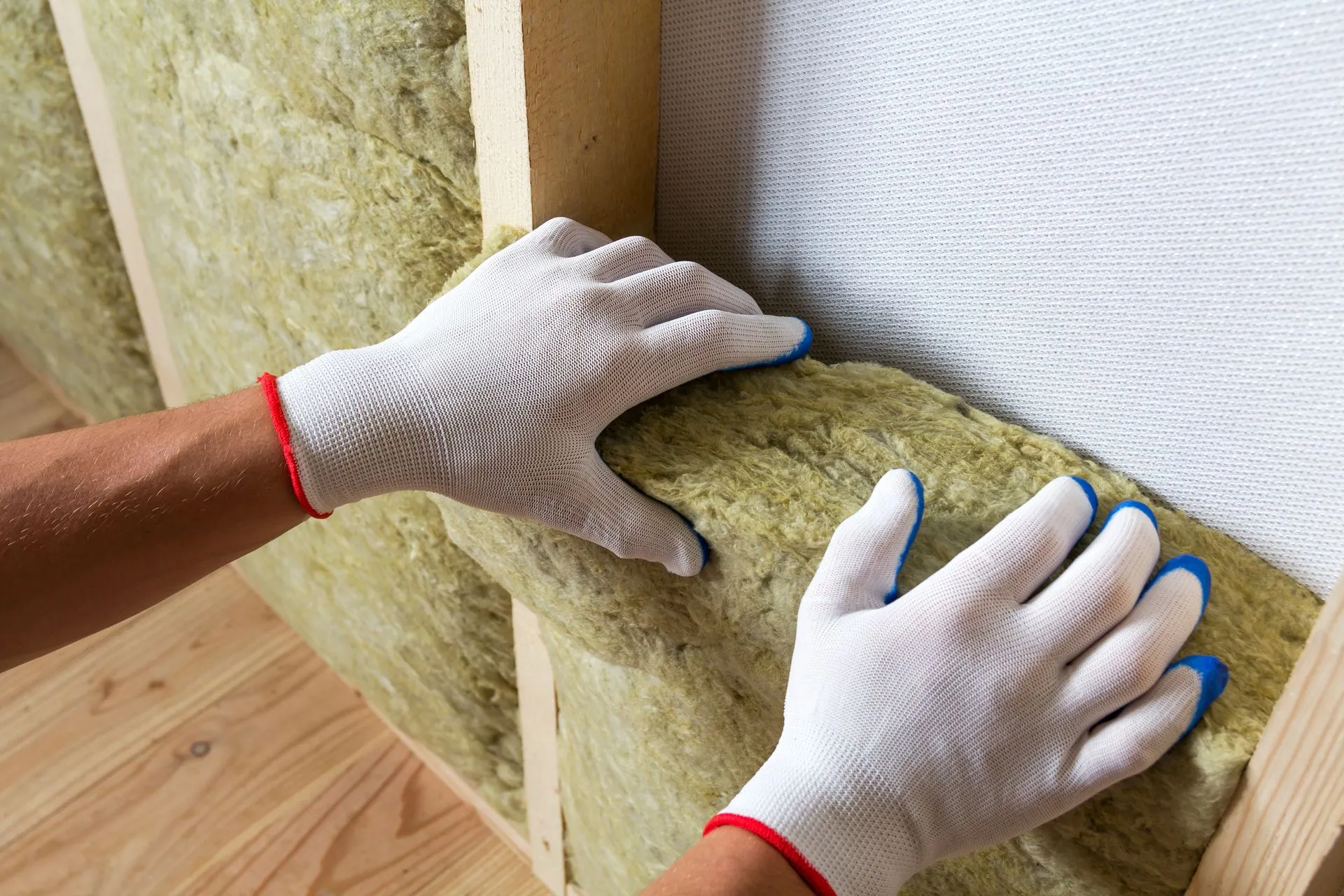
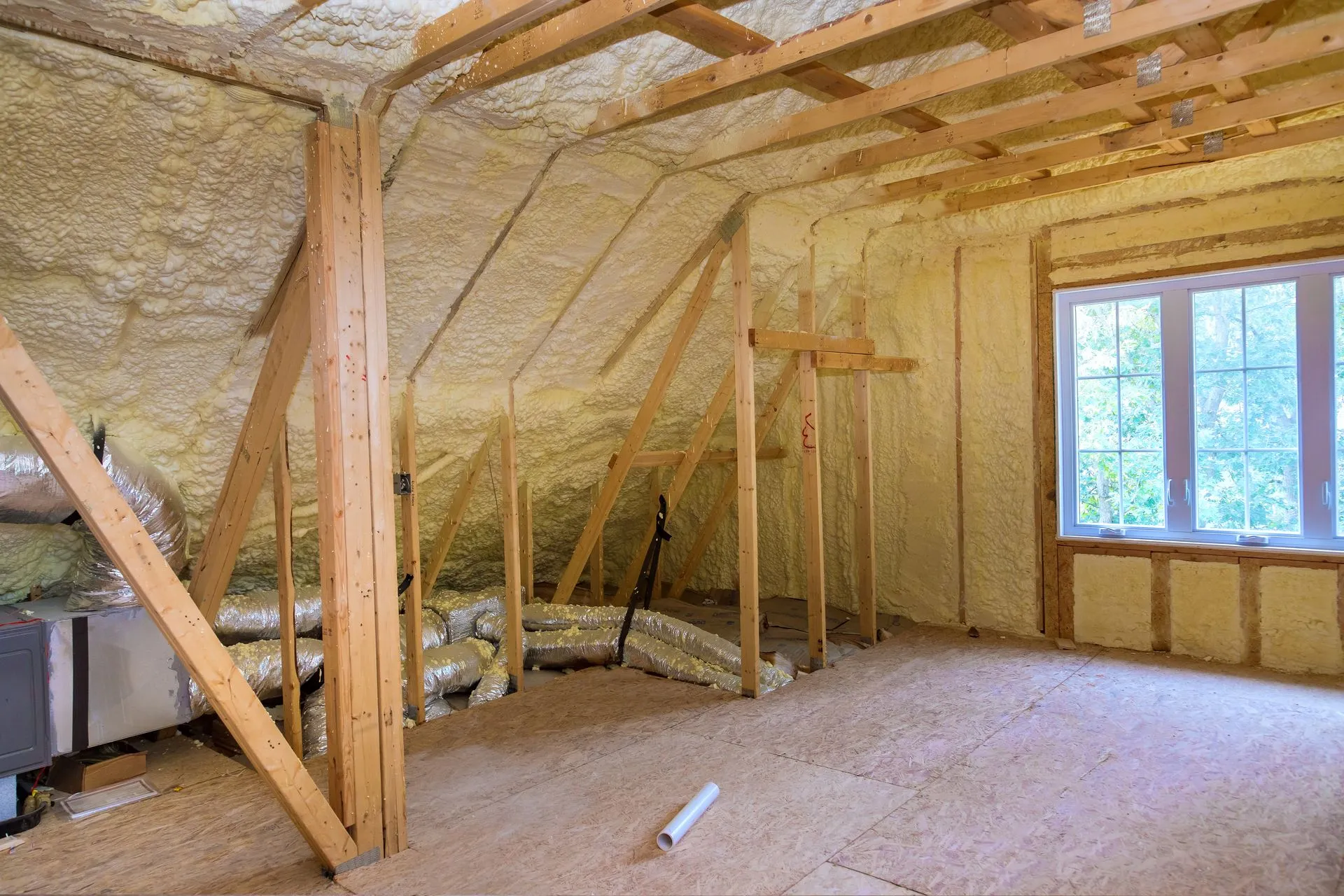
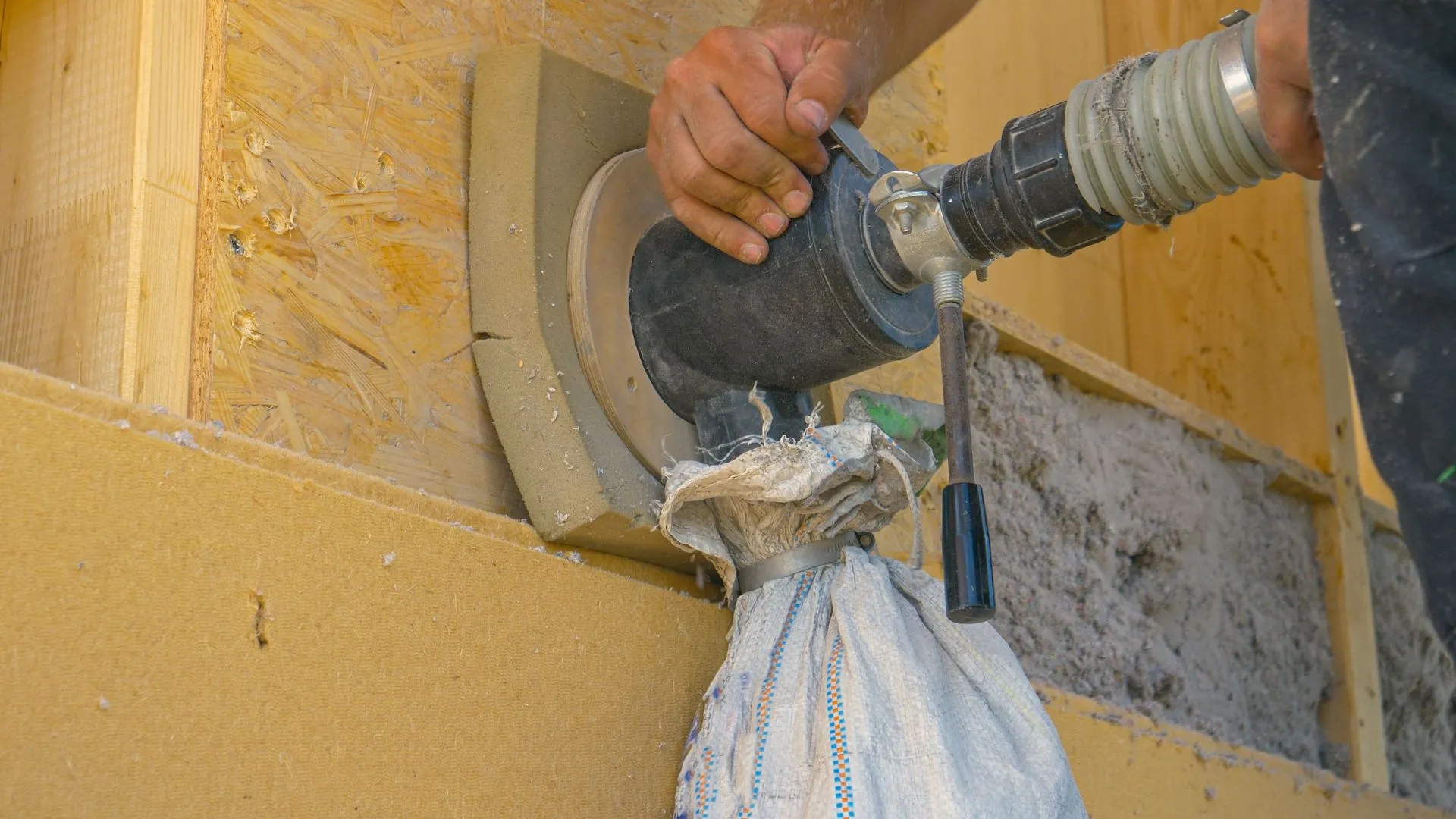
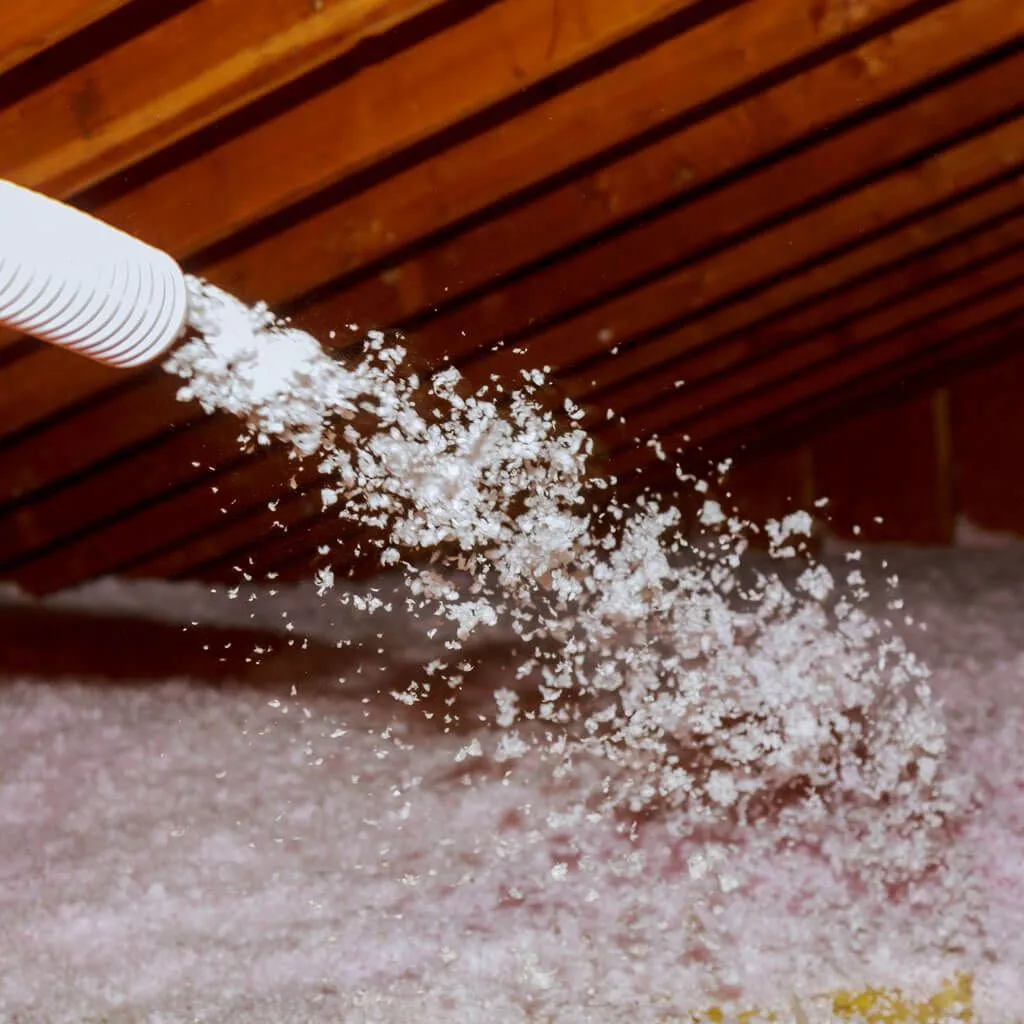
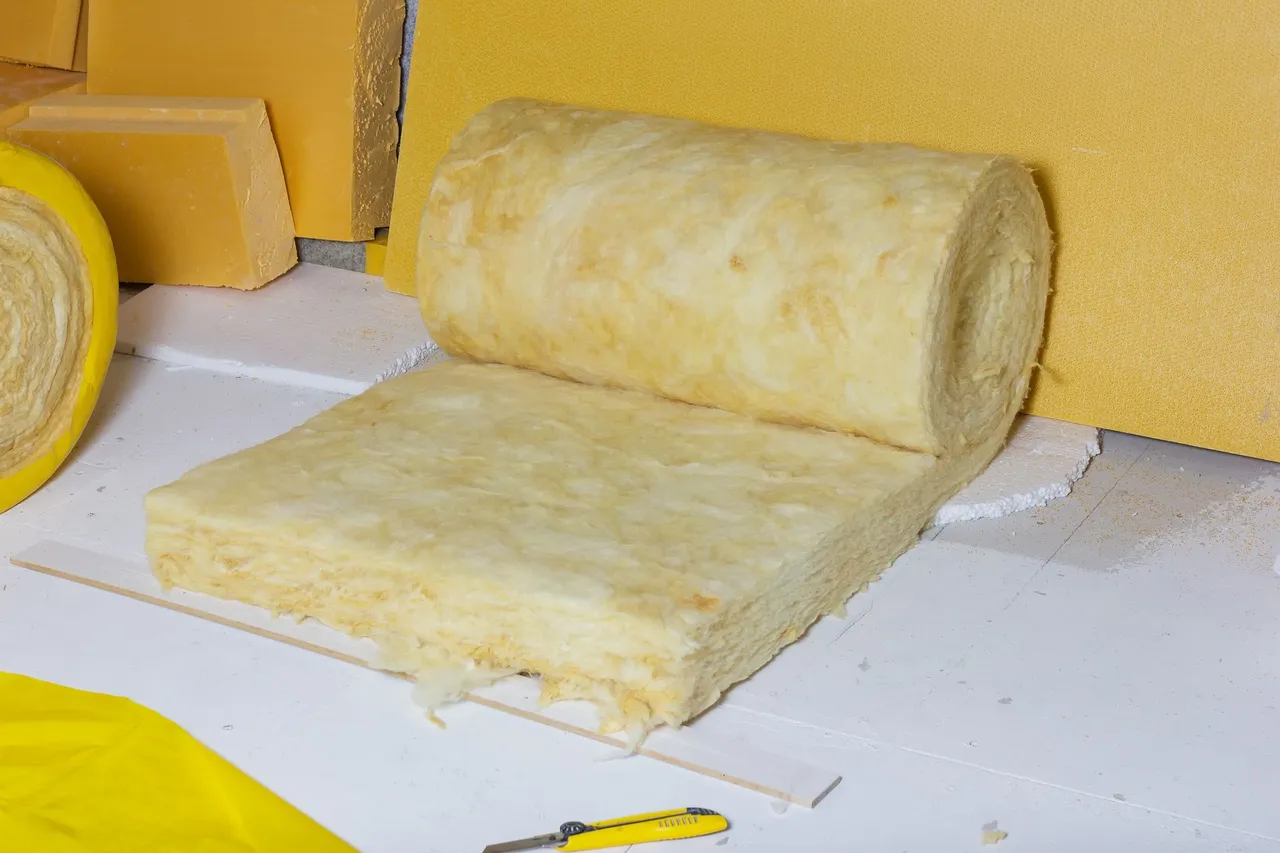
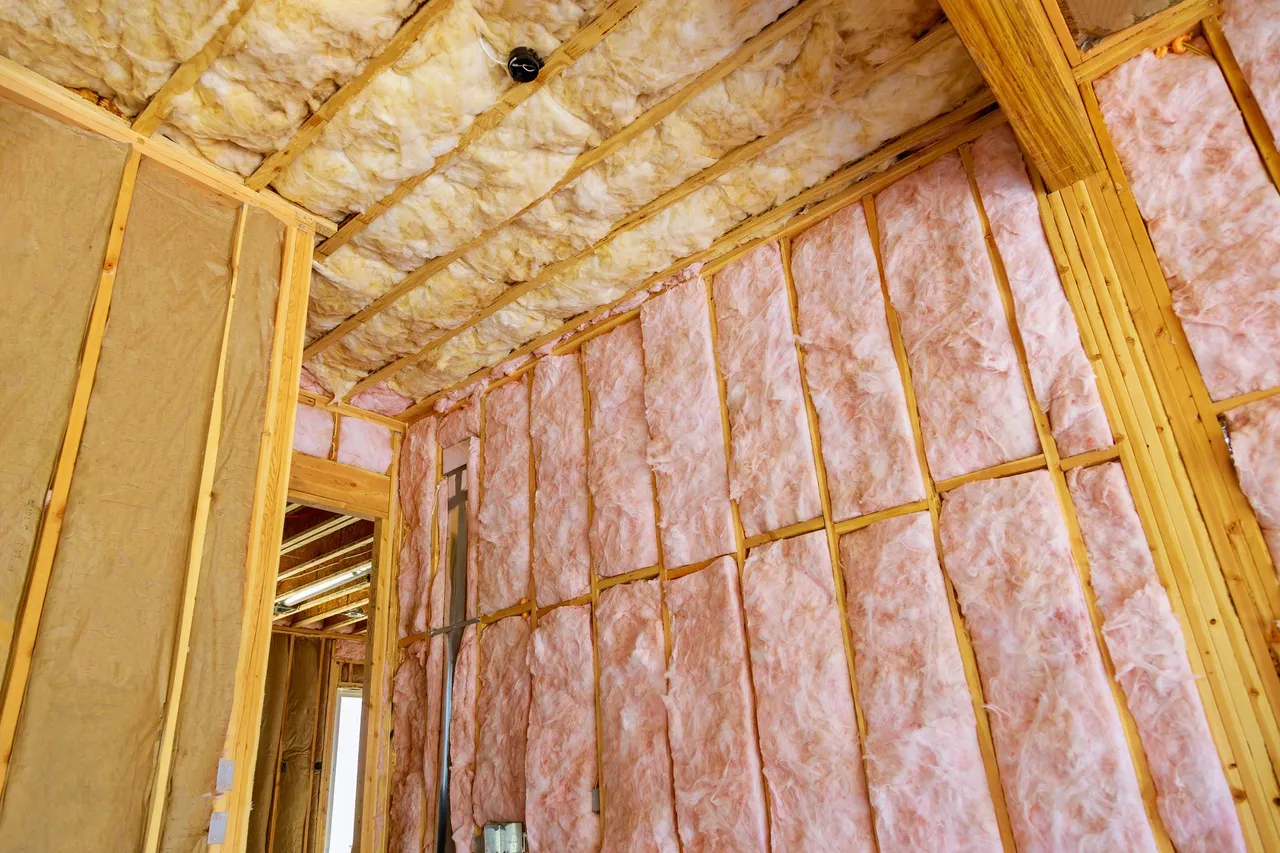
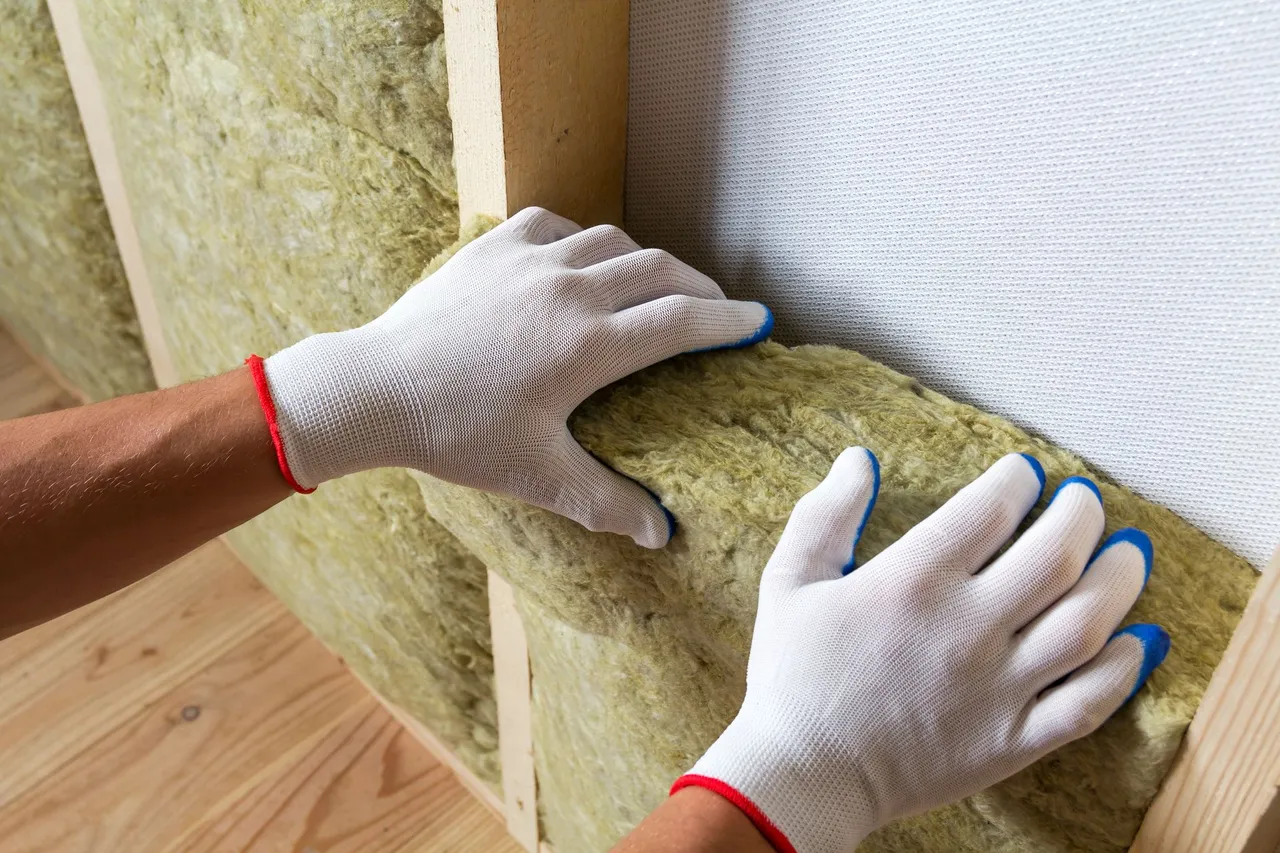
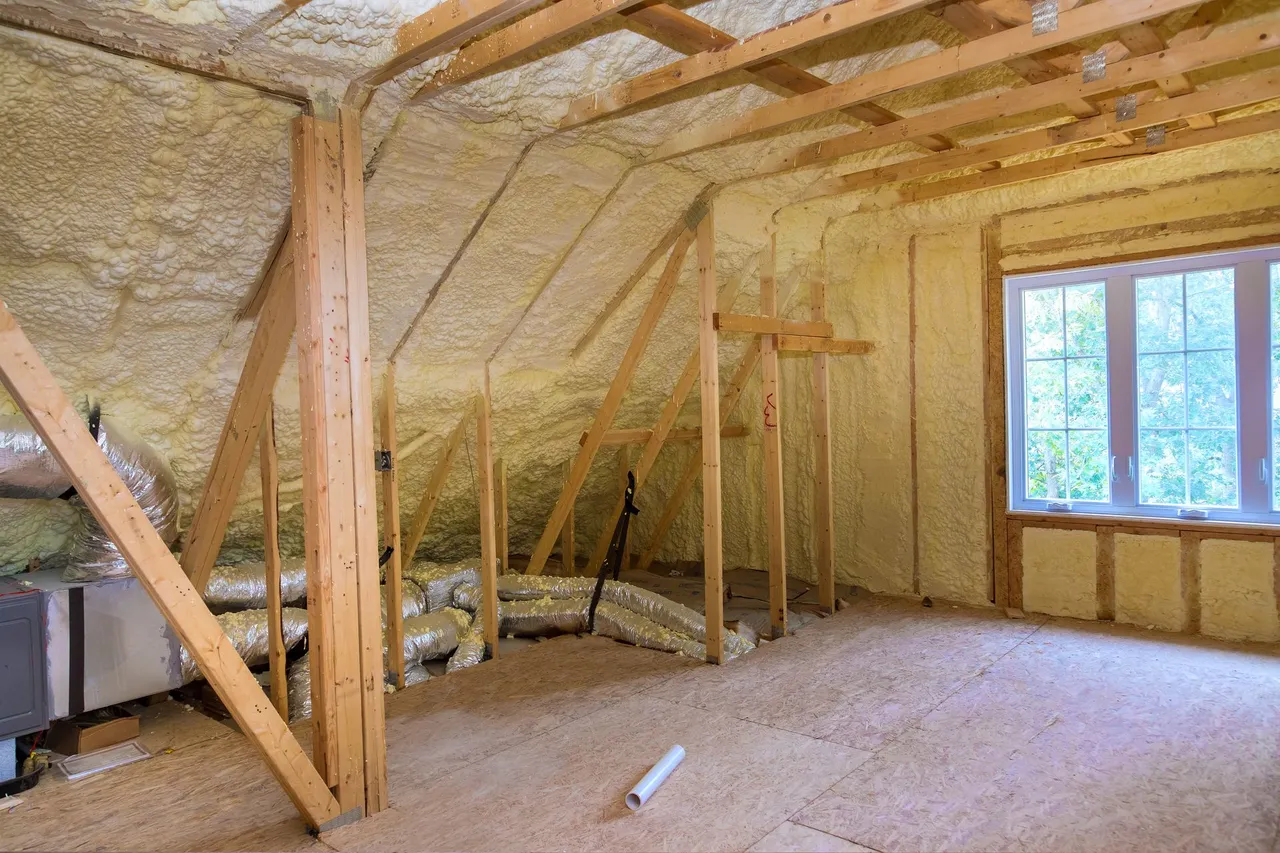
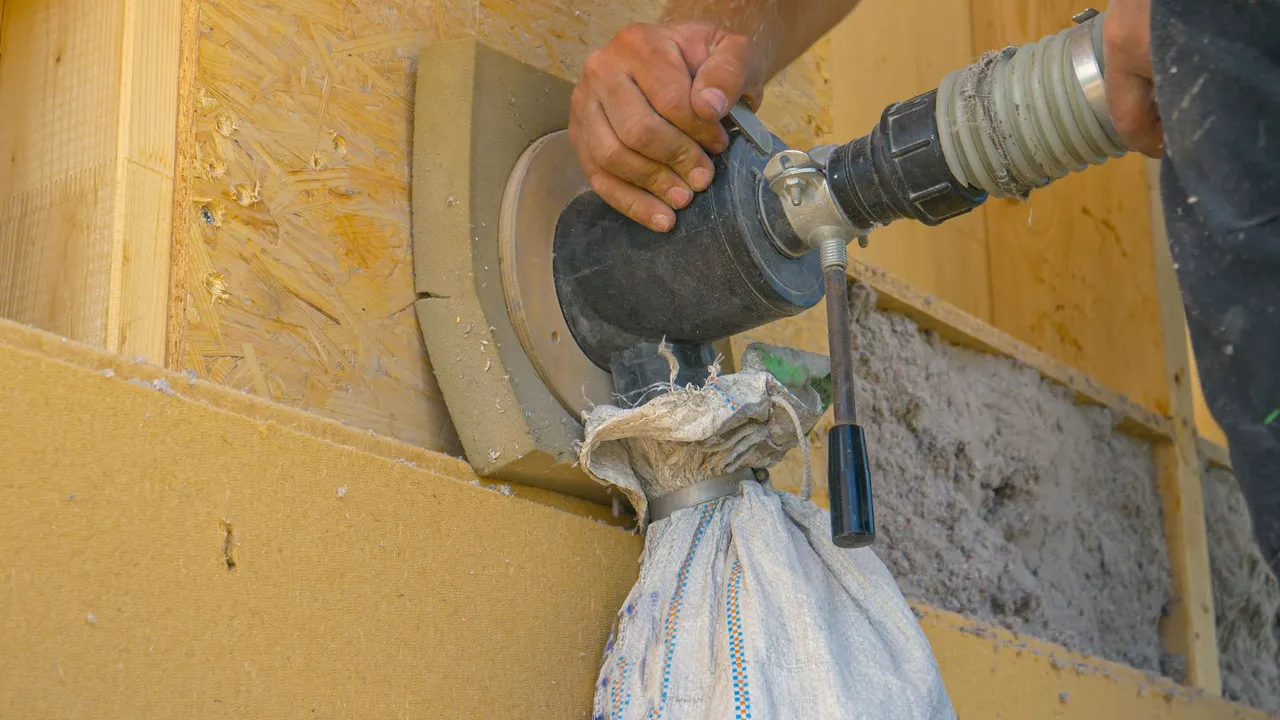
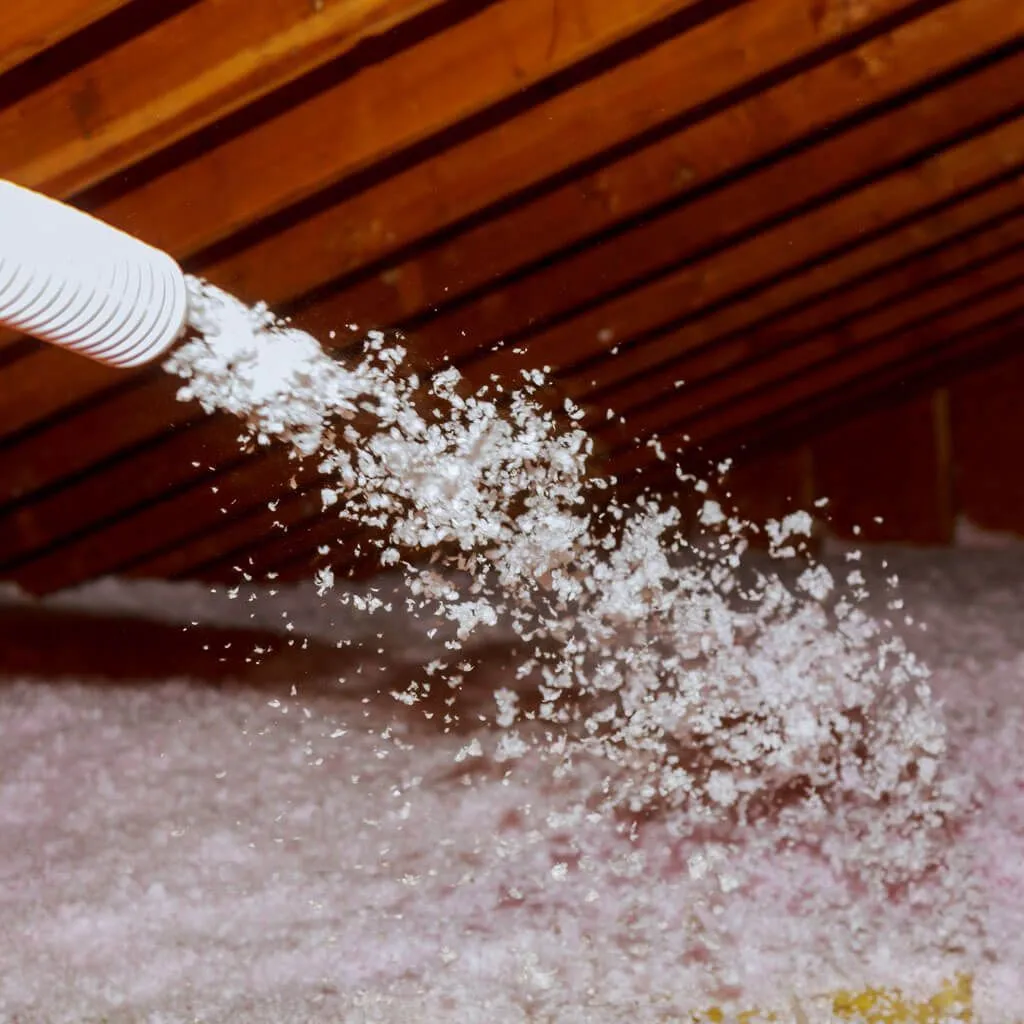
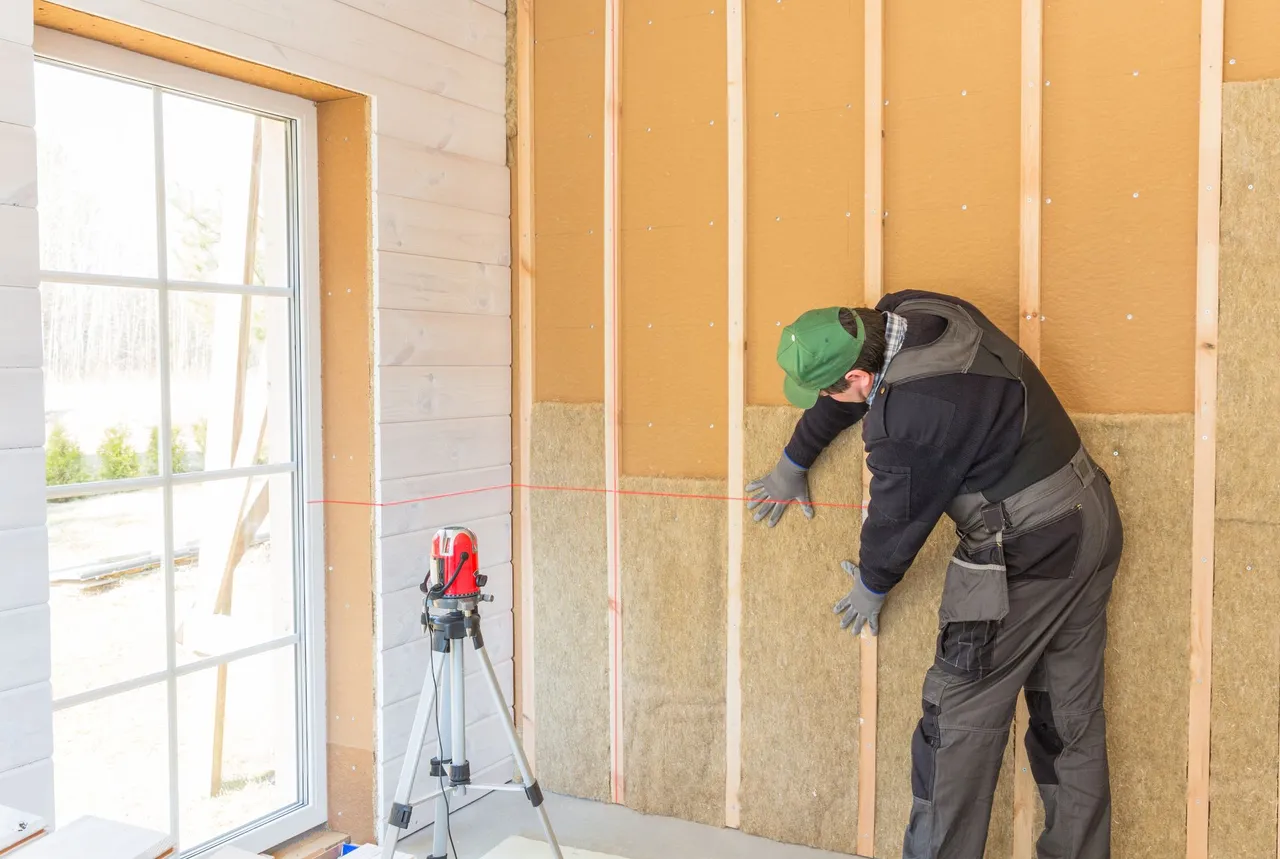
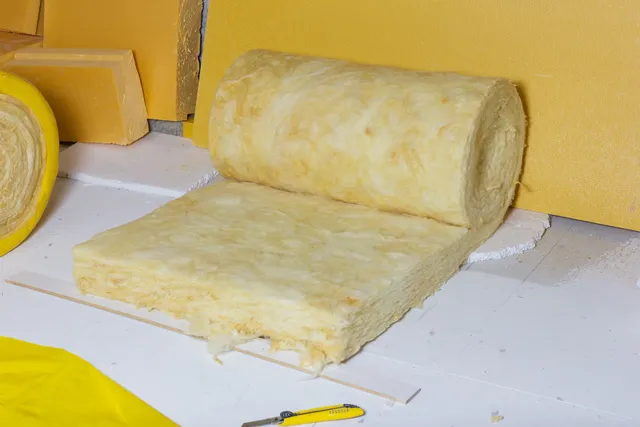
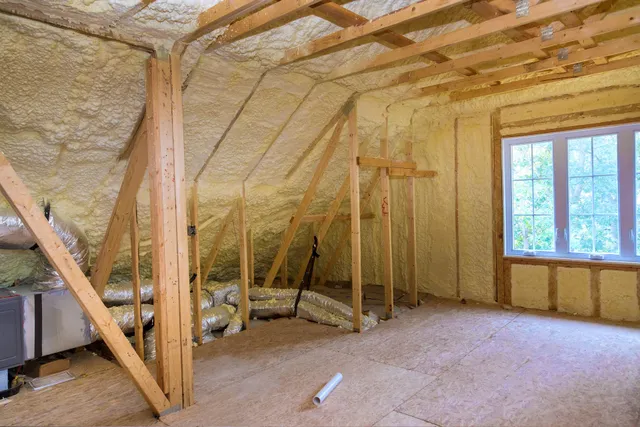
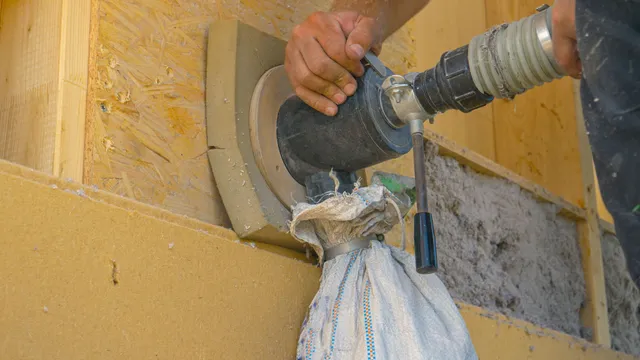
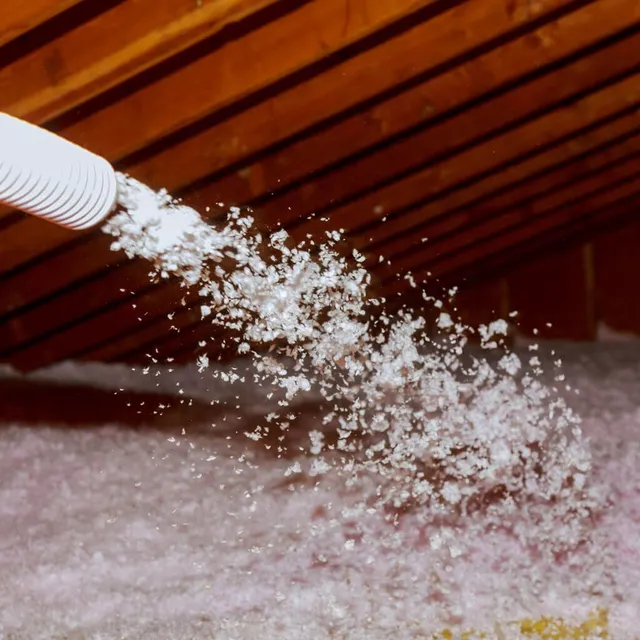
Modern materials close that gap quickly. Blown-in cellulose, spray foam, and mineral wool all deliver higher thermal resistance per inch than legacy fiberglass. A professional assessment identifies exactly what your attic needs to meet current standards.
Attic Insulation Upgrade and Wildfire Home Hardening
Placerville sits within a designated California Wildland-Urban Interface zone. That classification carries real obligations. WUI building codes require ember-resistant vents in all attic and eave openings, complying with ASTM E2886 standards.
This matters for your insulation project. Wind-driven embers are the leading cause of home loss in foothill wildfires. Traditional wire mesh vents allow embers direct access to attic spaces. Once inside, dry or degraded insulation can ignite quickly.
Combining an attic insulation upgrade with fire-resistant materials, such as treated cellulose or mineral wool, addresses both energy efficiency and home hardening simultaneously. It also keeps your home insurable. California's property insurance market has tightened sharply, and demonstrating code-compliant upgrades supports your coverage options.
Claiming the Federal Section 25C Tax Credit
Here's the financial angle that most homeowners miss. The federal Energy Efficient Home Improvement Credit (Section 25C) allows you to claim 30% of qualifying insulation and air-sealing material costs, up to $1,200 annually.
That credit resets every year. It is not a lifetime cap. This creates a real planning opportunity.
Consider this approach:
This year (2026): Upgrade your attic insulation and claim up to $1,200 on your federal return.
Next year: Retrofit your crawlspace or wall insulation and claim the credit again.
Year after: Address any remaining air-sealing needs and claim a third time.
Working with a licensed professional ensures your materials meet the International Energy Conservation Code requirements that the IRS mandates for this credit. DIY installations using non-qualifying materials forfeit the write-off entirely.
Why Professional Installation Matters Here
A DIY attic project in Placerville carries real risk. Improper coverage leaves thermal bridges. Missing air-sealing around recessed lights, plumbing penetrations, and attic hatches undermines the entire upgrade.
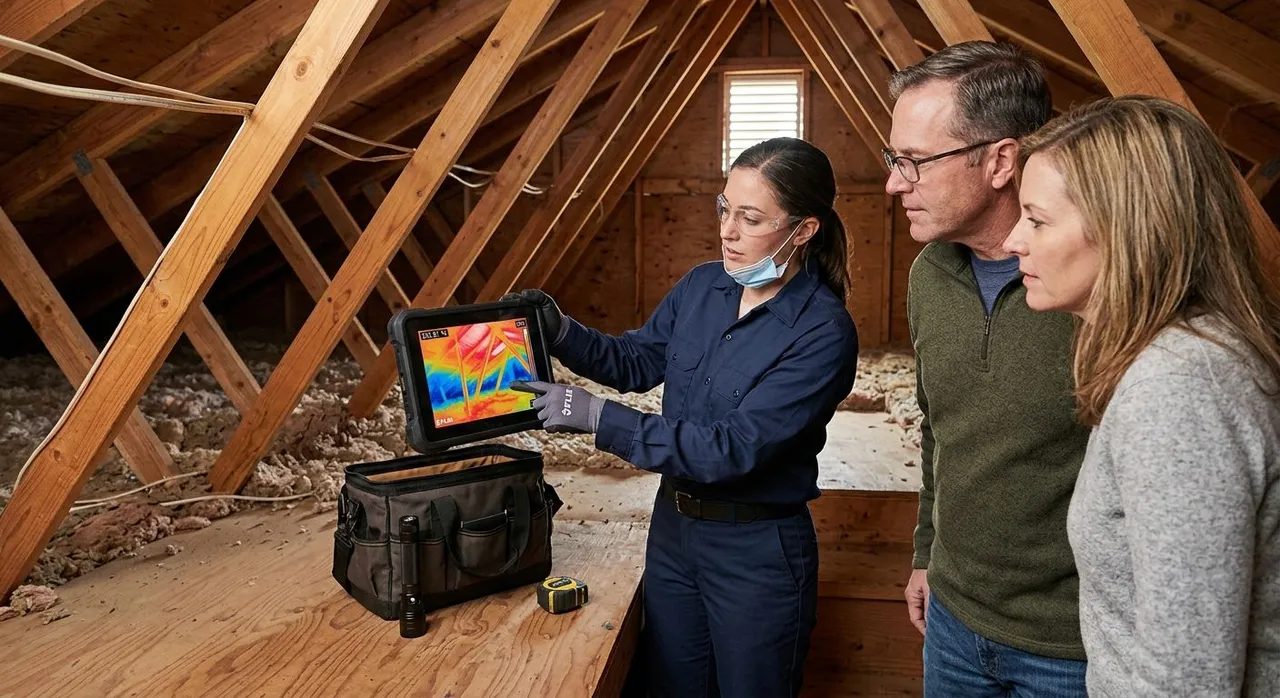
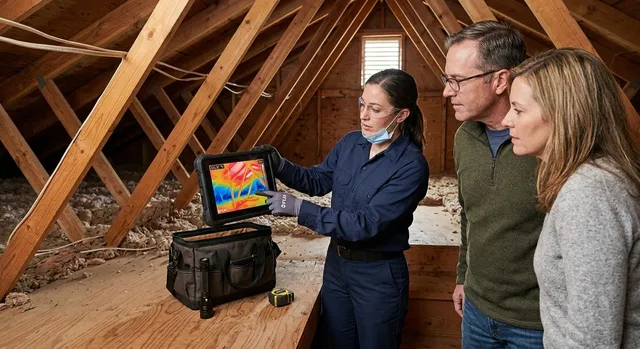
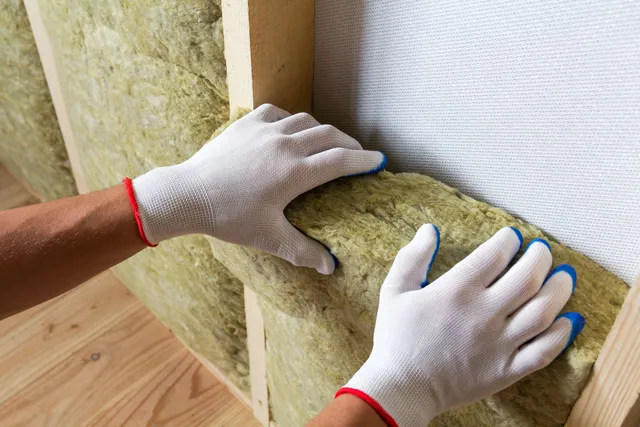
Professional installers assess R-value requirements by climate zone, seal critical penetrations before adding insulation, and document material specs needed for Title 24 compliance and tax credit claims. That documentation is not optional. It's the paper trail that protects your investment.
Ready to reduce your energy bills and protect your home before the next heat wave hits? Reach out to the team at Insulation Specialist Inc to schedule your attic insulation assessment in Placerville, Folsom, or Rancho Cordova today.
Frequently Asked Questions
What R-value does my Placerville attic need in 2026?
R-value requirements depend on your specific climate zone under California's updated Title 24 code. Most Sierra Nevada foothill homes fall into zones requiring higher attic R-values than older code editions specified. A professional site assessment gives you the exact number.
How long does an attic insulation upgrade take?
Most residential attic projects are completed in a single day. Larger homes or those requiring significant air-sealing prep work may take two days. Your installer can provide a timeline after evaluating your attic's current condition.
Does attic insulation help with wildfire protection?
It can, when paired with the right materials and ember-resistant venting. Mineral wool and treated cellulose have higher fire-resistance ratings than standard fiberglass. Combined with WUI-compliant vents, an upgraded attic is meaningfully more resilient to ember intrusion.
Can I claim the Section 25C tax credit on a rental property?
The Section 25C credit applies to your primary residence. Rental properties may qualify under separate commercial energy efficiency programs. Consult a tax professional for guidance specific to your situation.
What if my attic already has some insulation?
Existing insulation is often salvageable. A professional can assess whether the current material is degraded, incorrectly installed, or simply insufficient in depth. In many cases, adding a blown-in layer over existing batts brings the attic up to current R-value standards cost-effectively.