Is Fiberglass Insulation Safe? Benefits, Risks, and Safety Guidelines
Fiberglass insulation is one of the most commonly used materials in residential and commercial buildings. Known for its thermal efficiency and affordability, it has been a staple in energy-saving construction for decades. However, many homeowners often wonder: Is fiberglass insulation safe? Understanding its benefits, potential risks, and proper safety precautions is essential before installation or maintenance.
At Insulation Specialist Inc in Placerville, CA, we are committed to providing expert guidance and professional fiberglass installation services to ensure your home remains safe and energy-efficient.
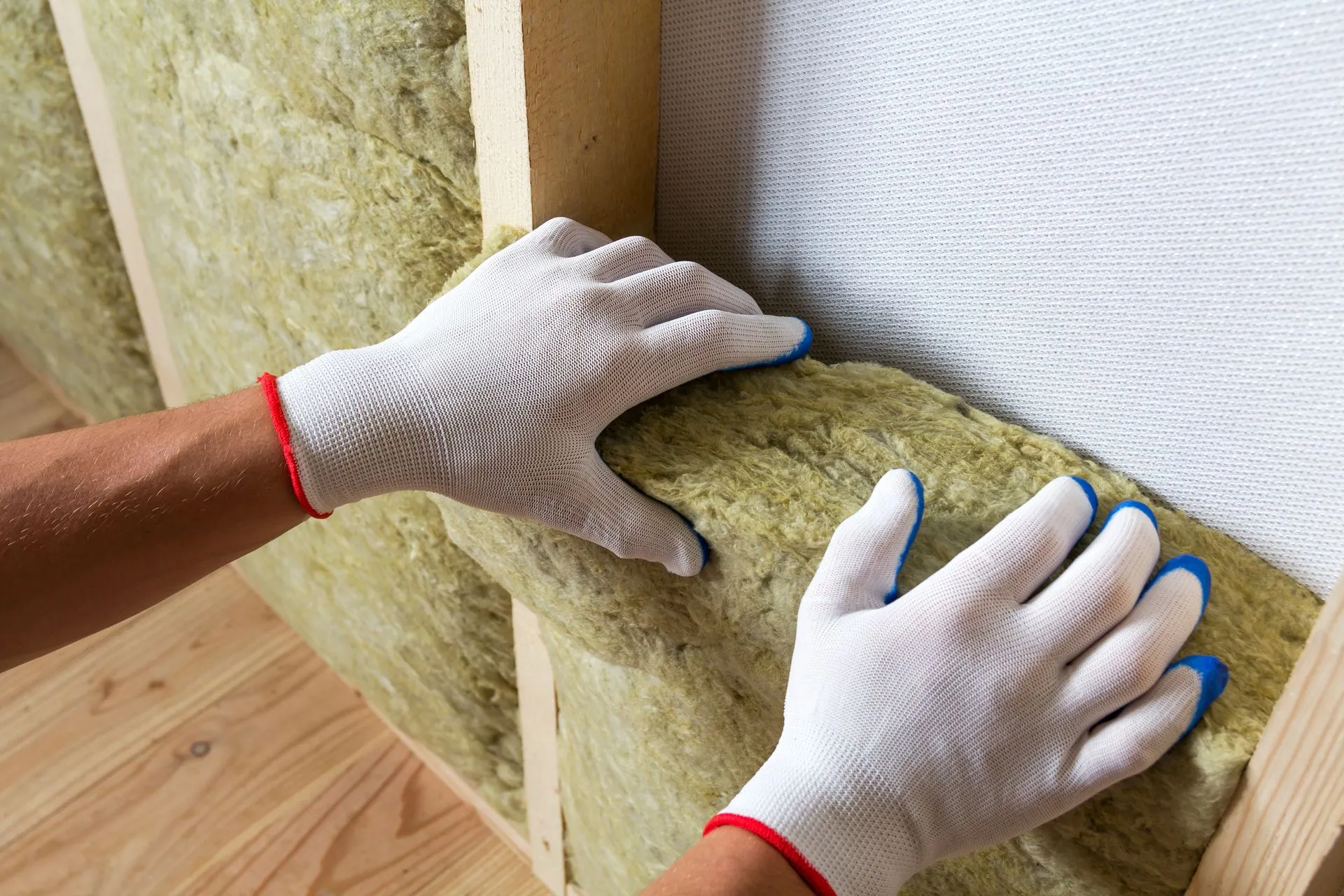
What is Fiberglass Insulation?
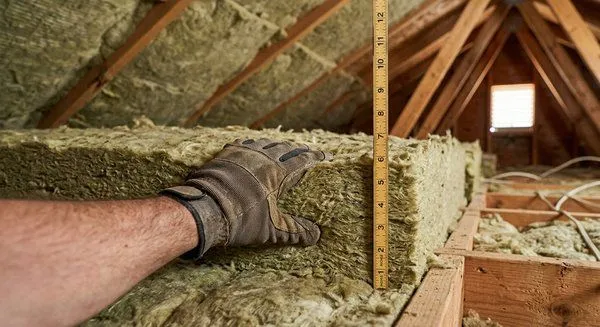
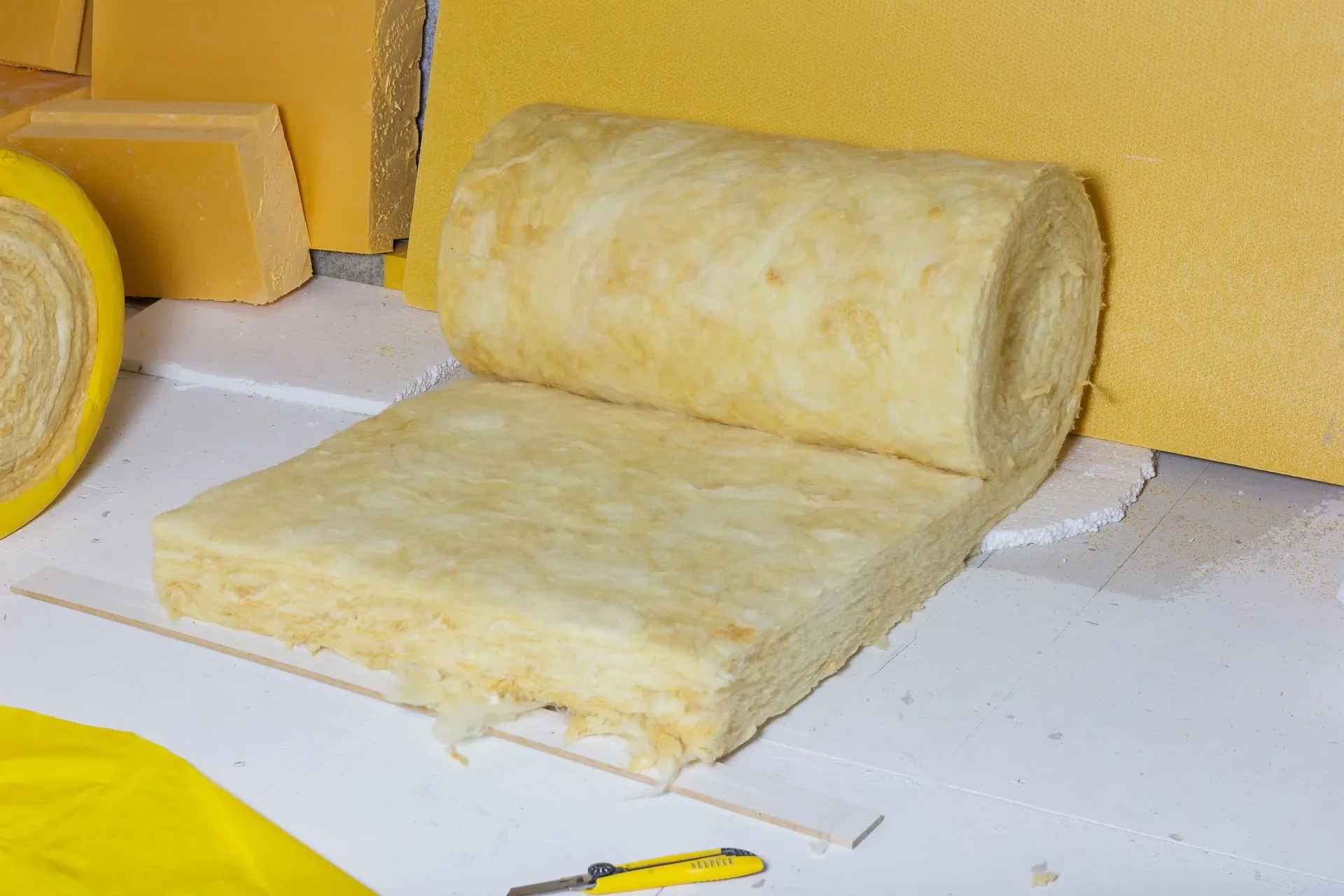
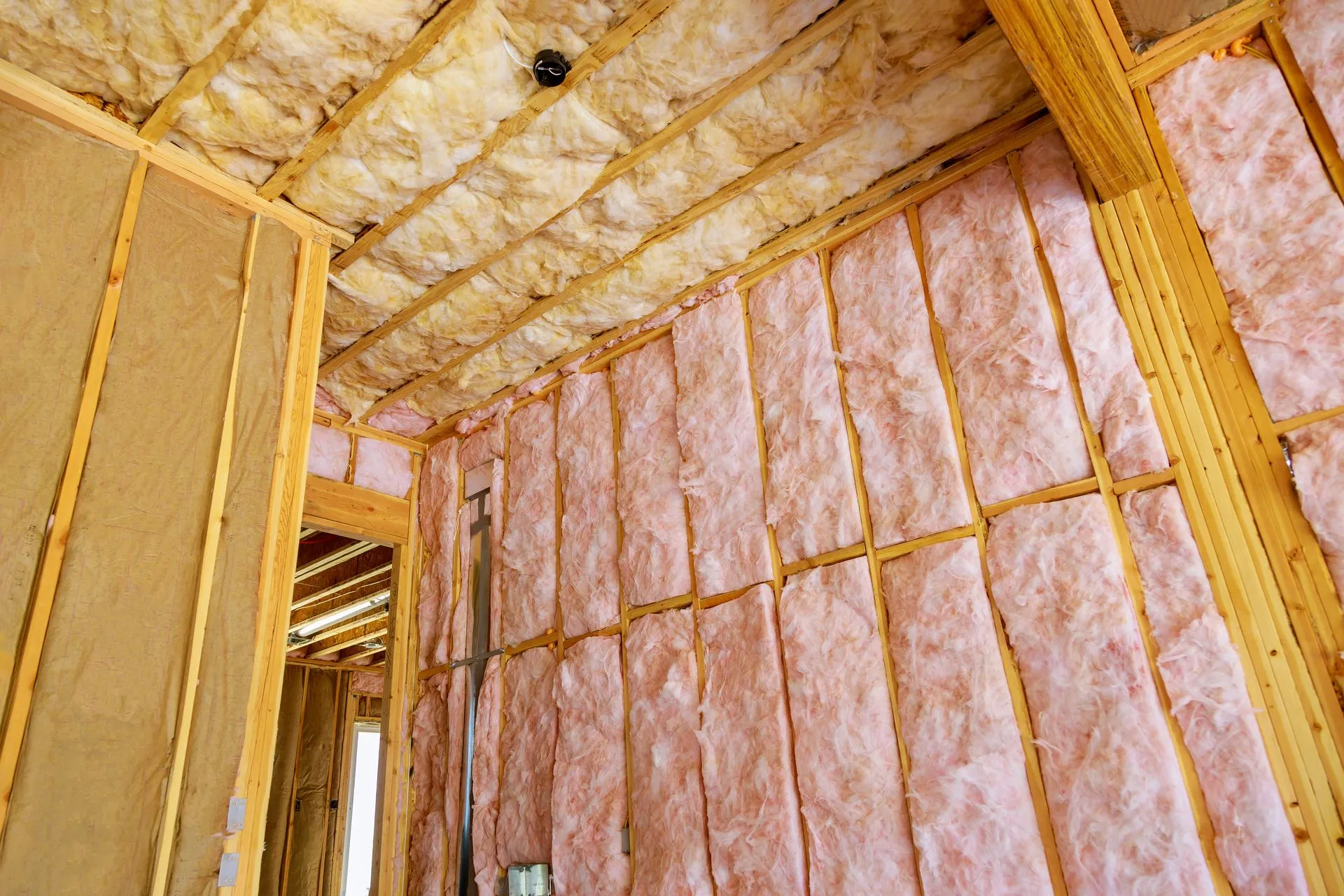
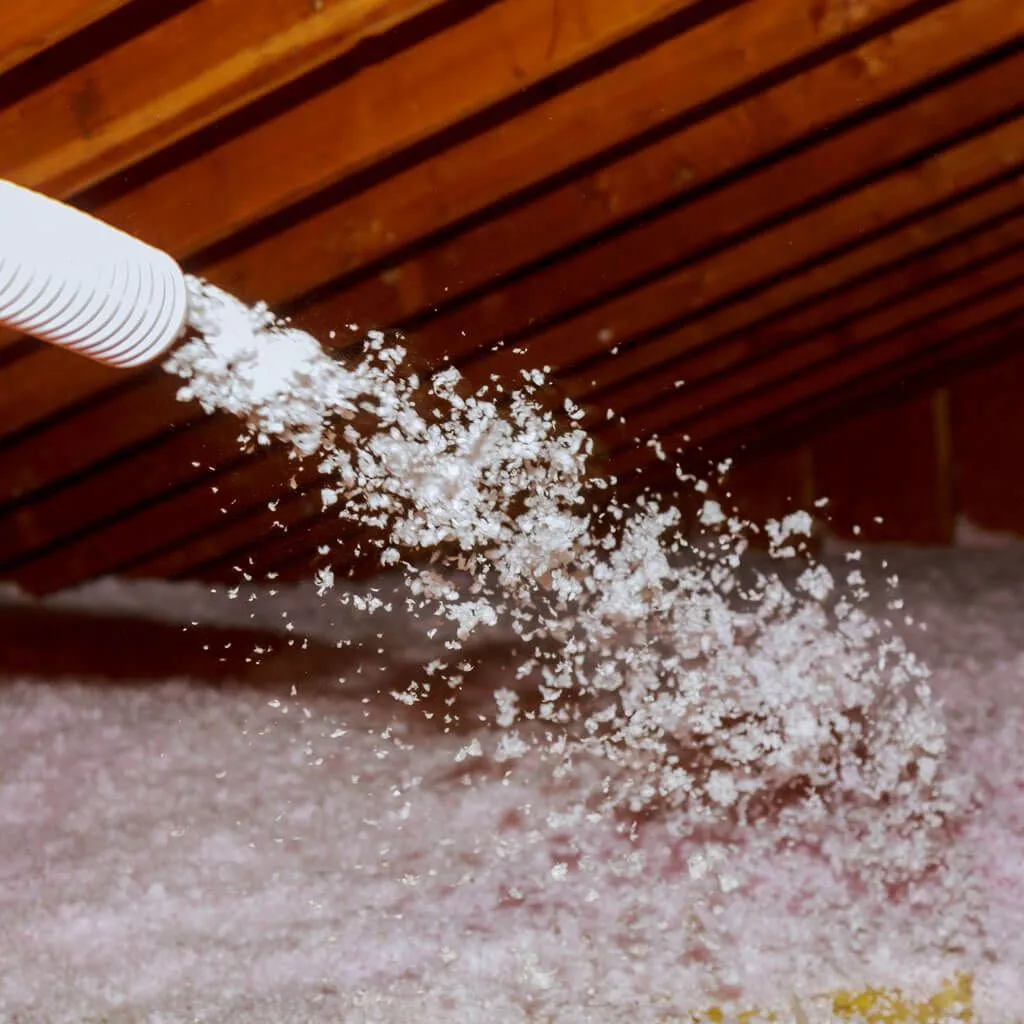
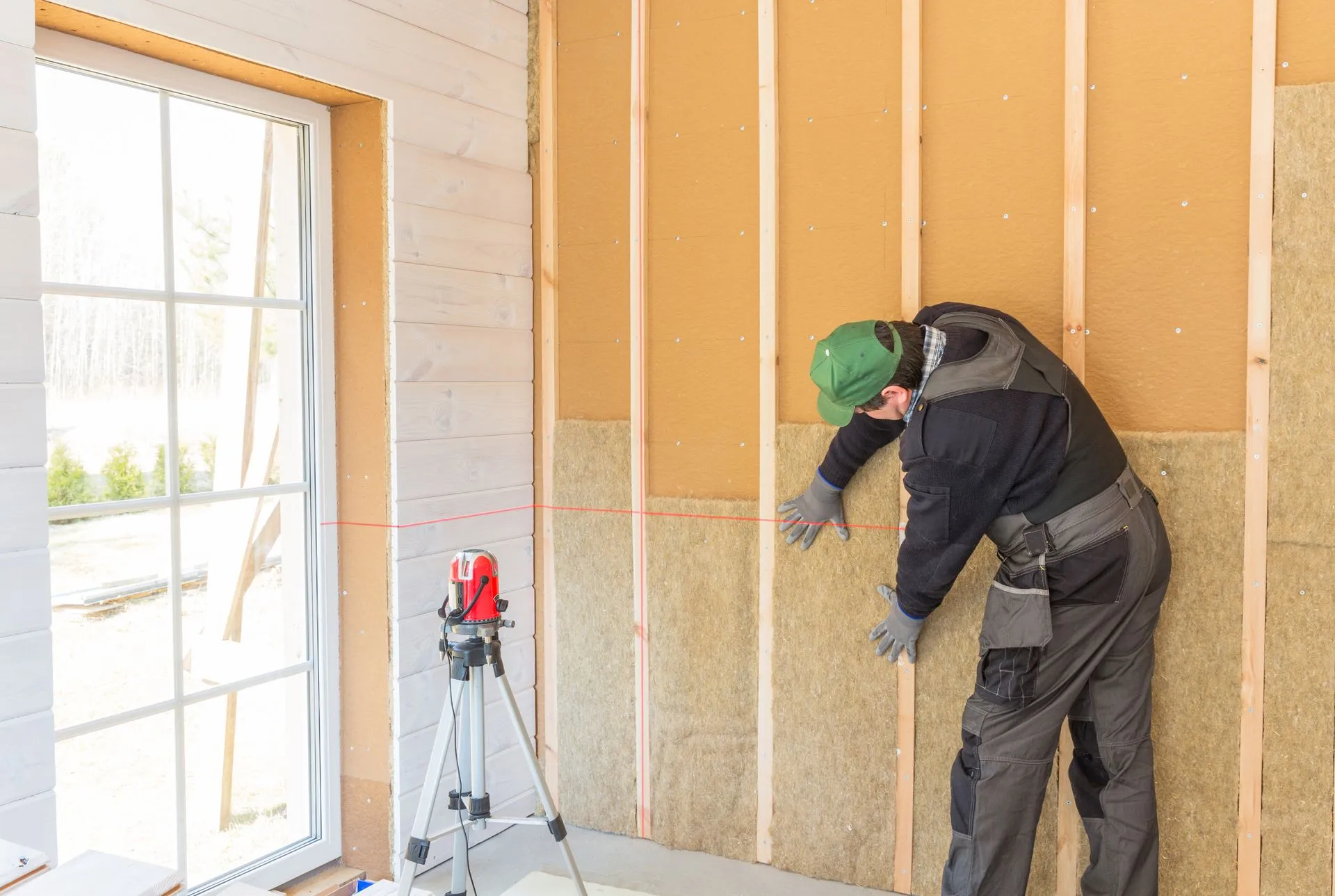
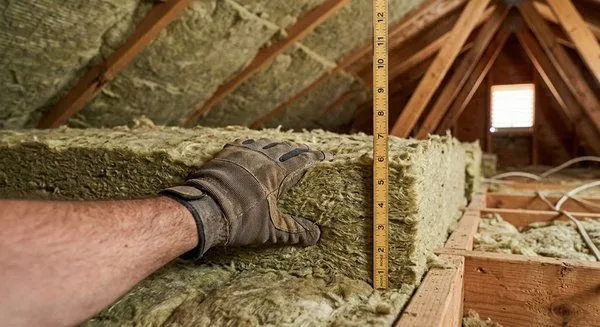
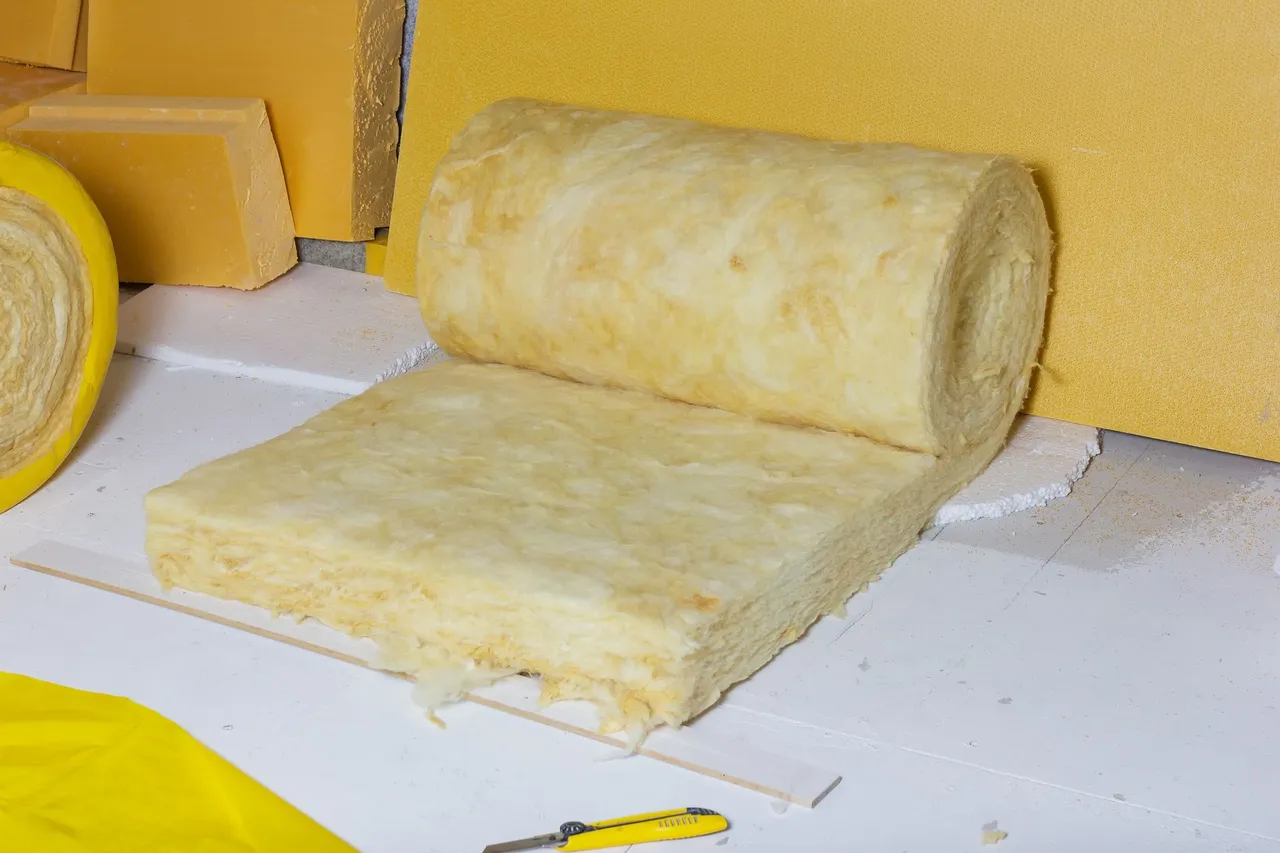
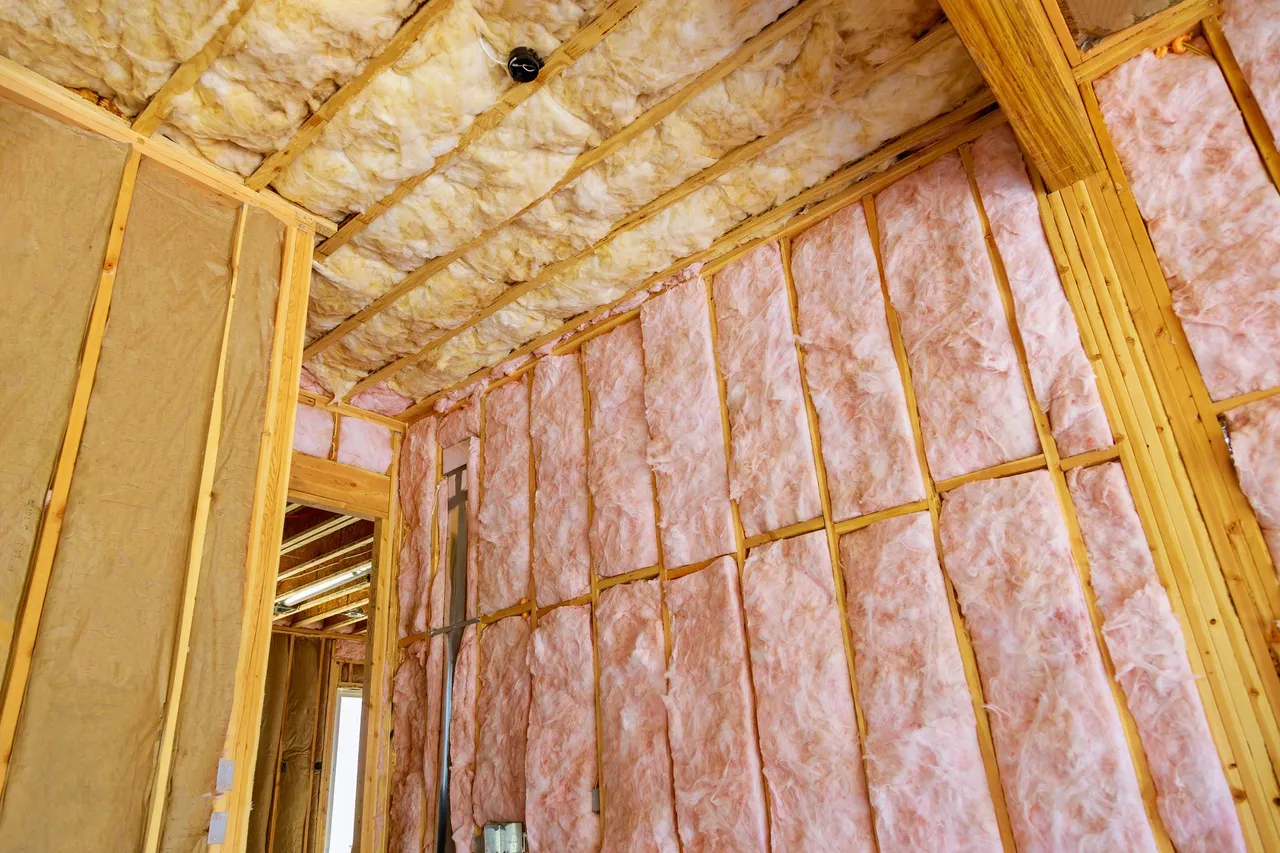
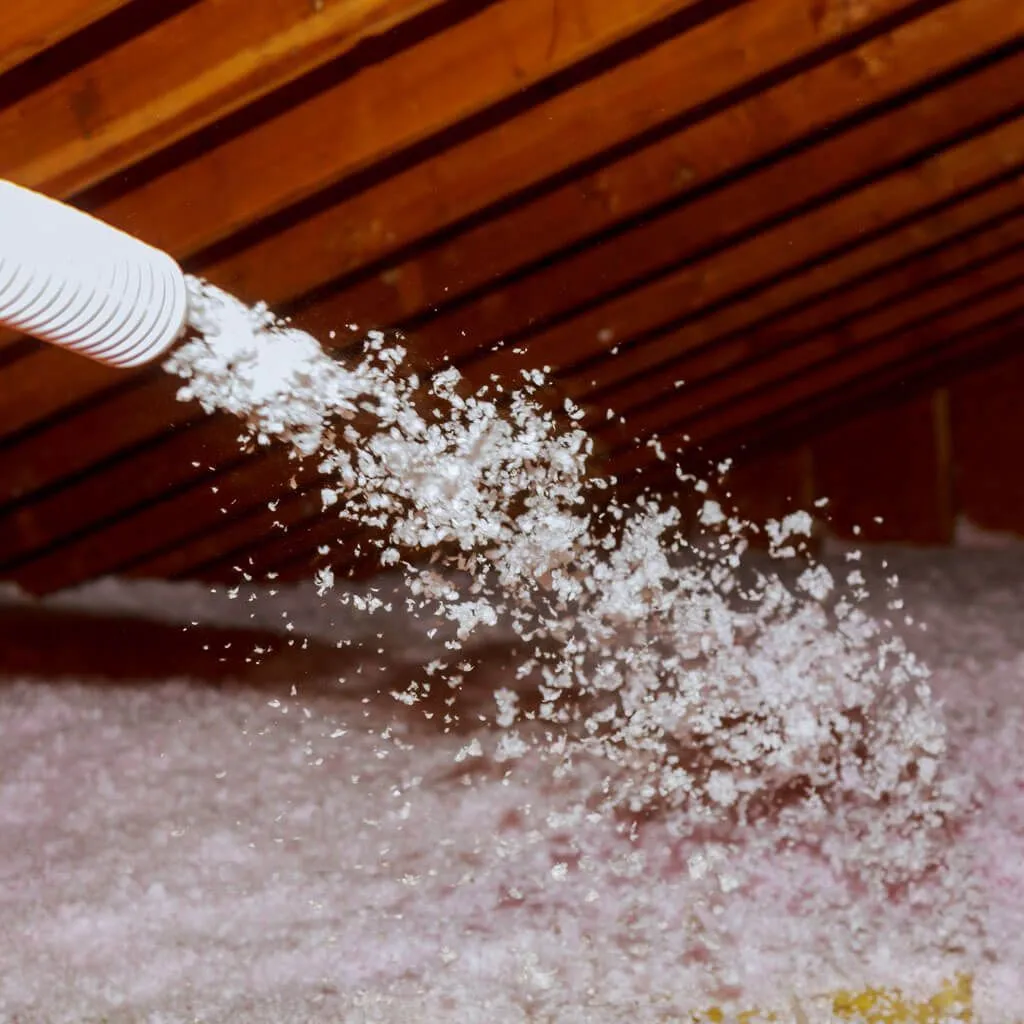
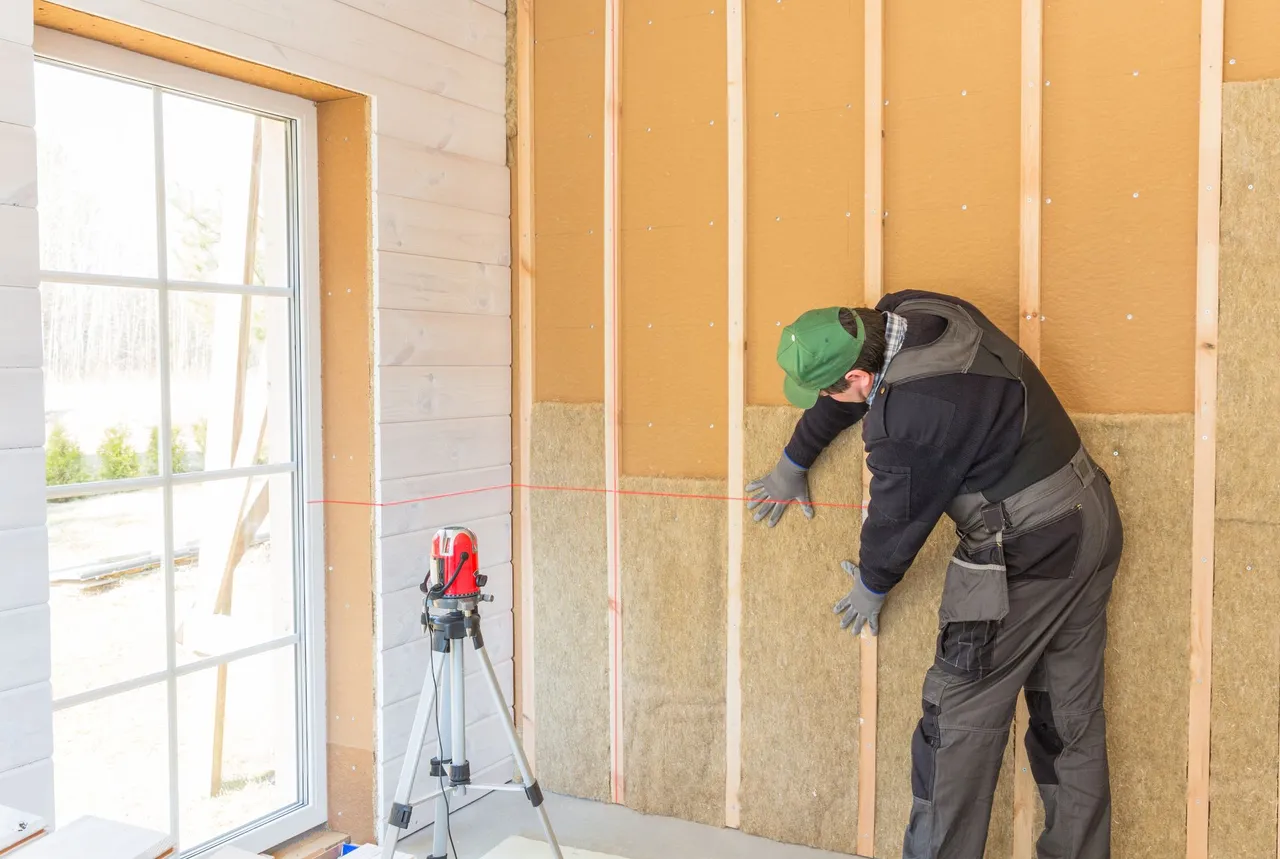
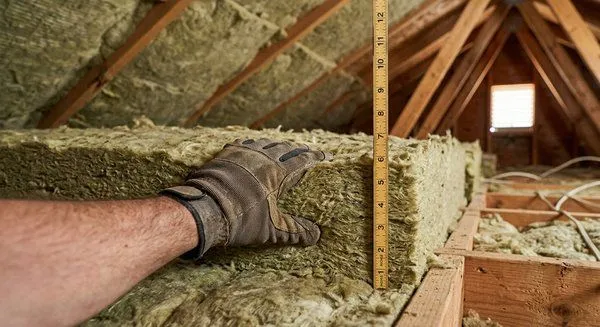
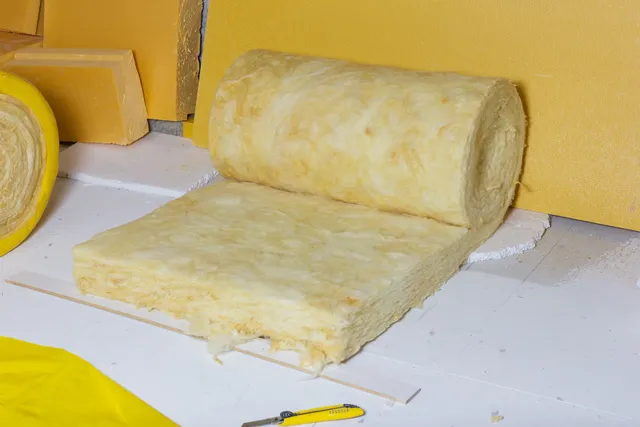
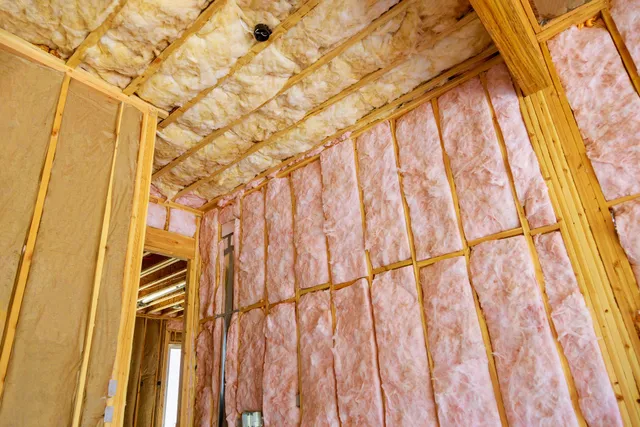
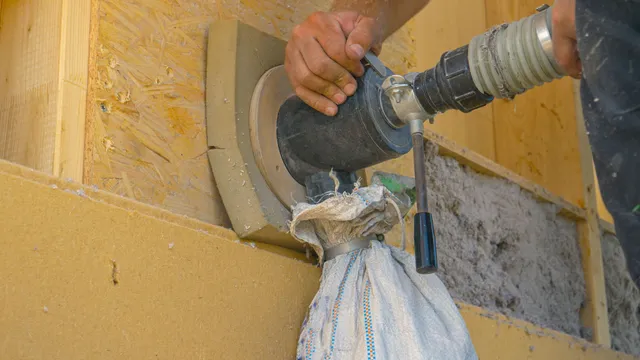
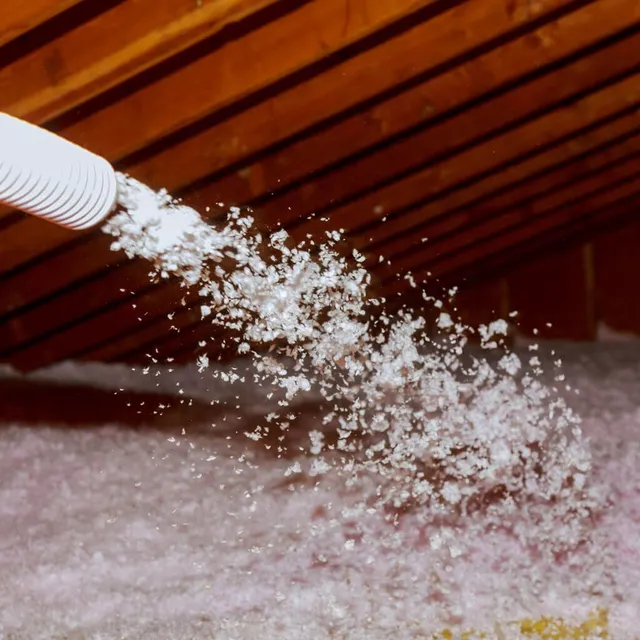
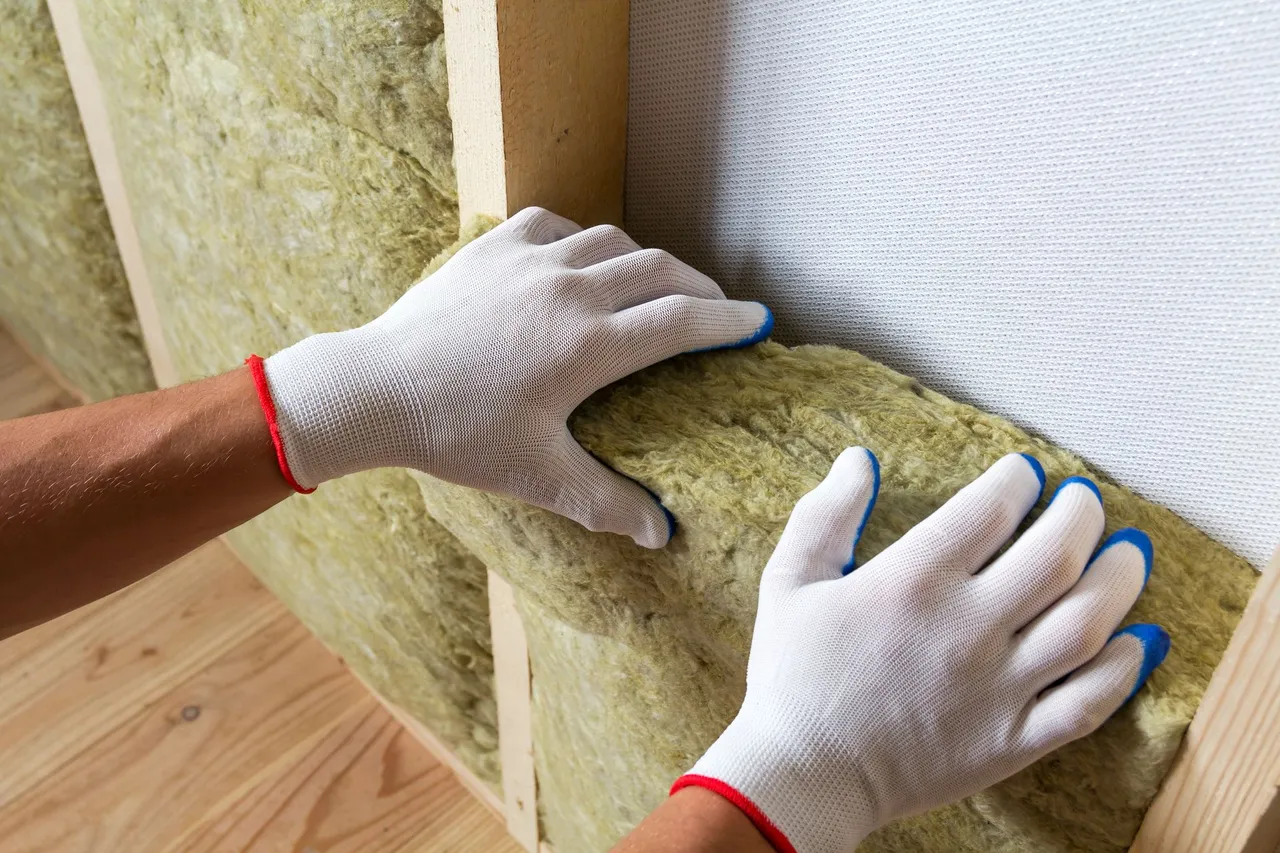
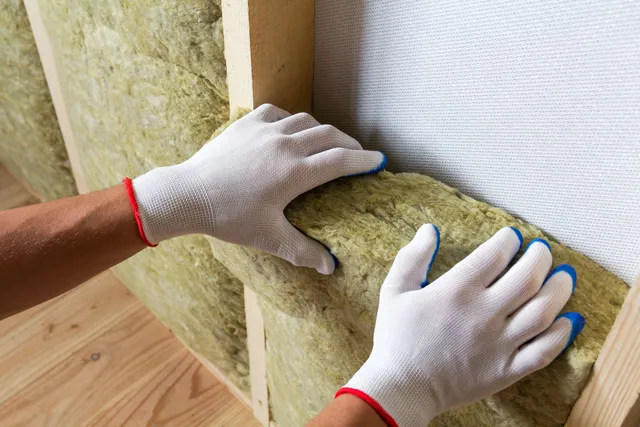
Fiberglass insulation is made from tiny glass fibers woven together to form a flexible, lightweight material. It is available in several forms, including batts, rolls, and loose-fill, making it versatile for walls, attics, and ceilings. Its primary function is to reduce heat transfer, helping maintain consistent indoor temperatures and lowering energy bills.
The material is favored for its affordability, fire-resistant properties, and effectiveness in controlling sound. It is non-combustible, meaning it does not catch fire easily, which makes it a preferred choice for many building projects. However, while the material itself is generally safe, proper handling is crucial to avoid irritation or exposure to dust particles.
Benefits of Fiberglass Insulation
Fiberglass insulation offers a range of benefits, making it a popular choice for homeowners and contractors alike.
- Energy Efficiency: Fiberglass insulation reduces heat transfer, keeping your home cooler in summer and warmer in winter. This energy efficiency translates into lower utility bills.
- Fire Resistance: Unlike some insulation types, fiberglass is non-combustible. It helps slow the spread of flames, providing an additional safety layer for your home.
- Soundproofing: Fiberglass insulation is effective at absorbing sound, reducing noise transmission between rooms or floors. This is especially beneficial in multi-story homes or shared walls.
- Cost-Effectiveness: Compared to other insulation materials such as spray foam or cellulose, fiberglass is budget-friendly while still providing excellent thermal performance.
- Longevity: When installed correctly, fiberglass insulation can last for decades without losing its effectiveness. It does not easily settle or degrade over time, making it a reliable long-term investment.
Potential Risks of Fiberglass Insulation
Although fiberglass insulation offers many advantages, it is not without risks. Understanding these hazards helps homeowners take necessary precautions during installation and maintenance.
- Skin Irritation: Direct contact with fiberglass fibers can cause itching, rashes, or irritation. Wearing protective clothing, gloves, and long sleeves can prevent this issue.
- Respiratory Concerns: Inhaling fiberglass dust can irritate the respiratory system, leading to coughing, sneezing, or throat discomfort. Proper ventilation and use of masks are recommended during installation.
- Eye Irritation: Tiny glass particles can cause eye irritation if they come into contact with the eyes. Safety goggles or glasses are essential to avoid discomfort.
- Improper Installation Hazards:
Poorly installed fiberglass insulation may lead to gaps, reduced thermal efficiency, or moisture accumulation, potentially causing mold growth. Hiring a professional ensures proper installation and maximum safety.
Safety Guidelines for Handling Fiberglass Insulation
To enjoy the benefits of fiberglass insulation while minimizing risks, following safety guidelines is crucial.
- Wear Protective Gear: Always wear gloves, long-sleeved clothing, and eye protection when handling fiberglass. A dust mask or respirator can prevent inhalation of fibers.
- Proper Ventilation: Ensure the workspace is well-ventilated to reduce dust accumulation. Open windows or use fans to direct airborne particles outside.
- Avoid Direct Skin Contact: If fiberglass comes into contact with skin, wash the area thoroughly with soap and cold water. Avoid hot water, as it can open pores and trap fibers.
- Professional Installation: Hiring a certified insulation professional guarantees that the material is installed correctly, minimizing gaps and preventing moisture-related problems.
- Safe Storage:
Store fiberglass insulation in its original packaging in a dry, cool area. Keeping it sealed prevents dust release and maintains material integrity.
Comparing Fiberglass Insulation to Other Types
While fiberglass insulation is a widely used option, it is helpful to compare it with alternatives to understand its relative advantages and limitations.
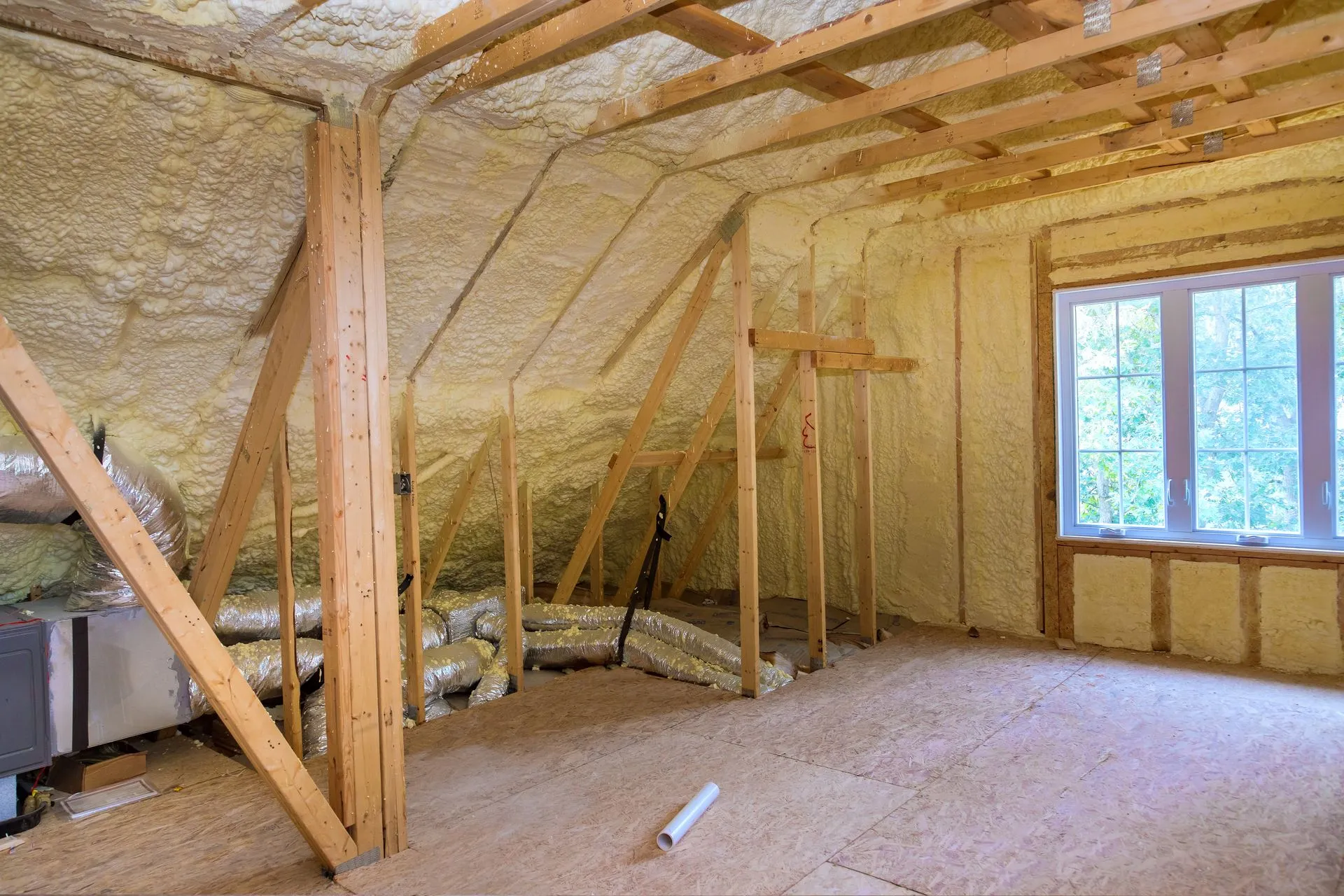
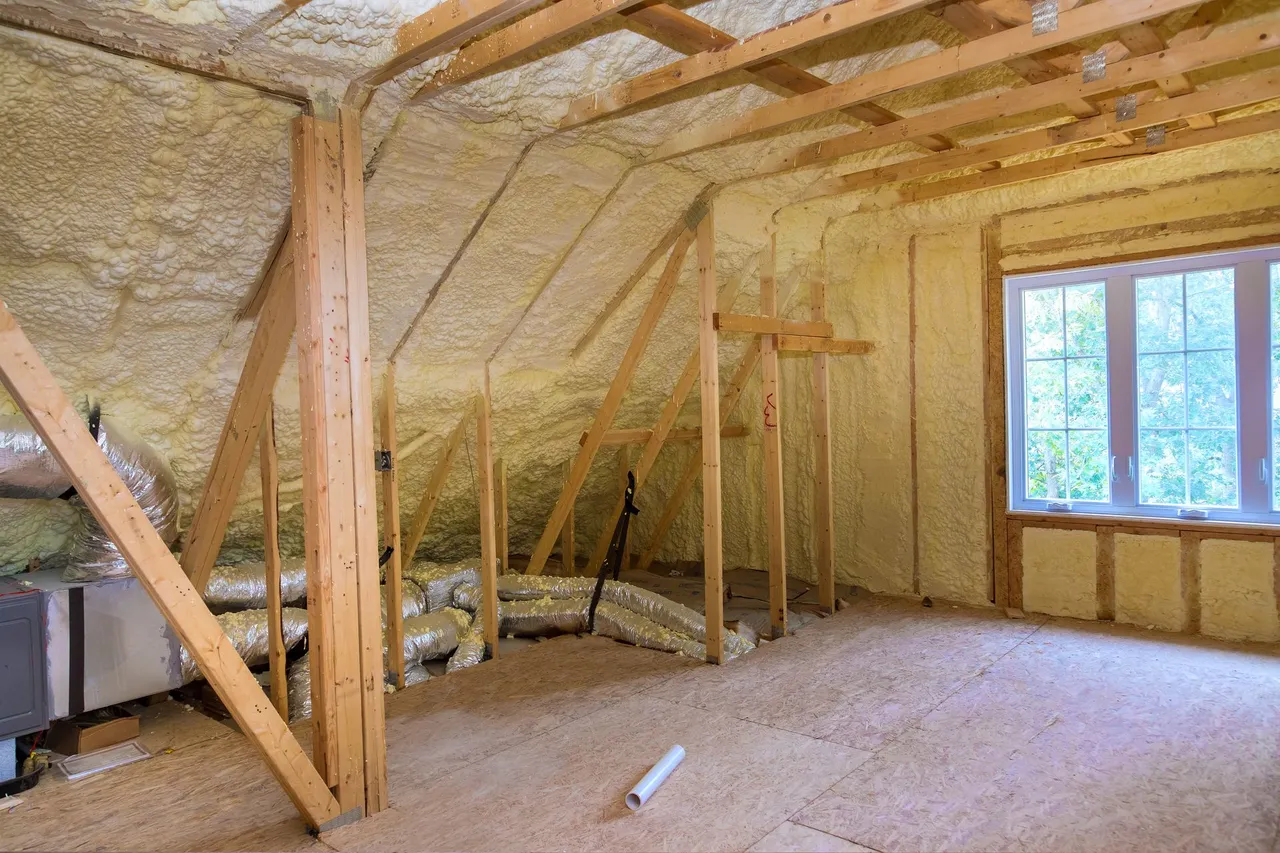
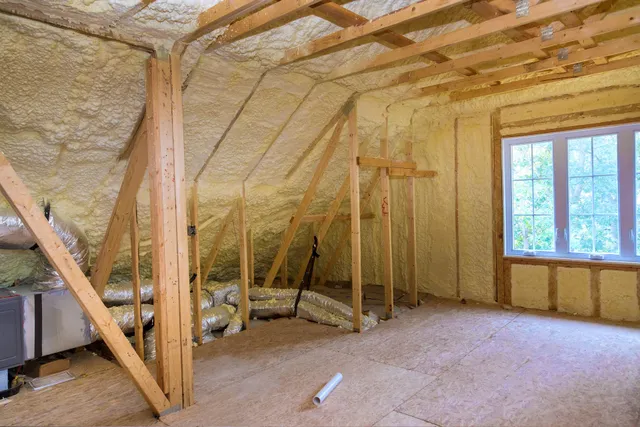
- Spray Foam Insulation: Spray foam offers higher R-values per inch and excellent air sealing but is more expensive and requires professional application. Fiberglass remains a cost-effective alternative for larger areas.
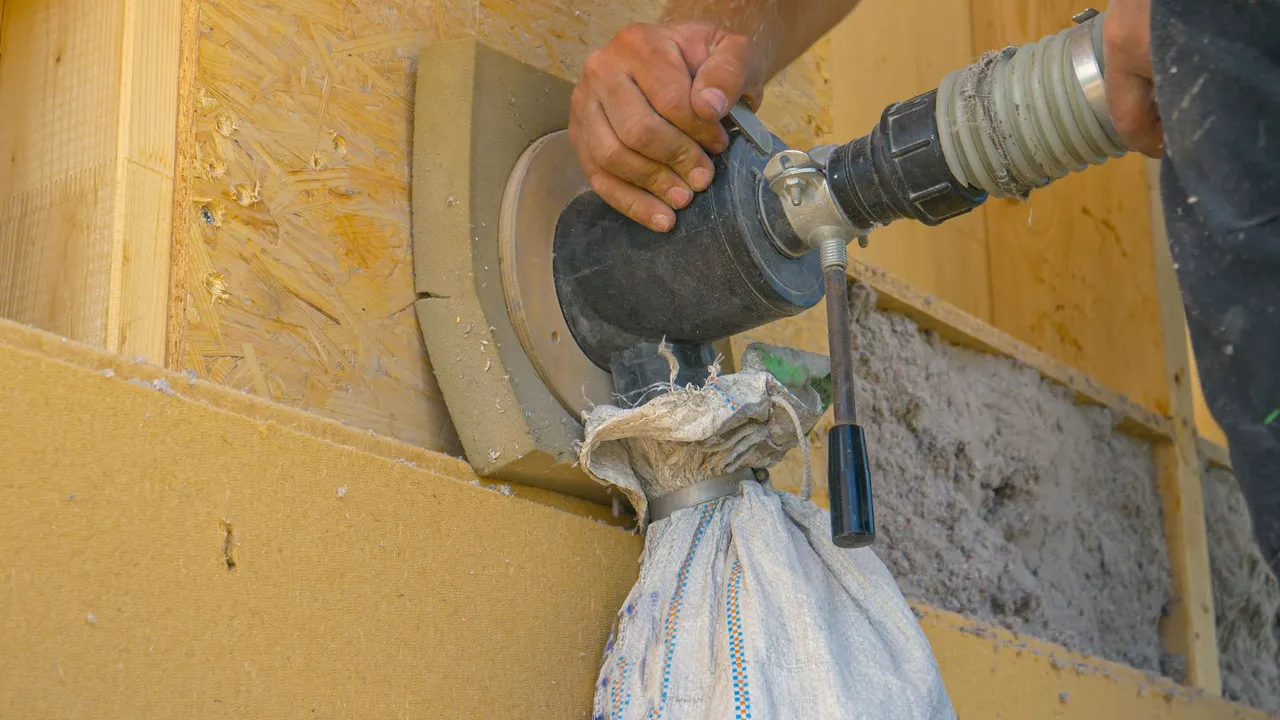
- Cellulose Insulation: Made from recycled paper, cellulose is environmentally friendly and effective at noise reduction. However, it can settle over time and may require professional installation to prevent gaps.
- Mineral Wool Insulation:
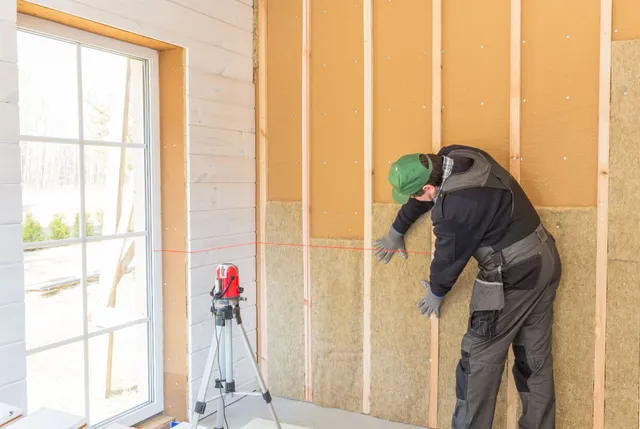
Mineral wool is fire-resistant and excellent for soundproofing, similar to fiberglass. It tends to be more expensive but offers additional durability and moisture resistance.
In most cases, fiberglass insulation provides a balanced solution, offering safety, affordability, and thermal efficiency when installed properly.
Hiring Professionals for Safe Installation
Proper installation is key to ensuring that
fiberglass insulation is both effective and safe.
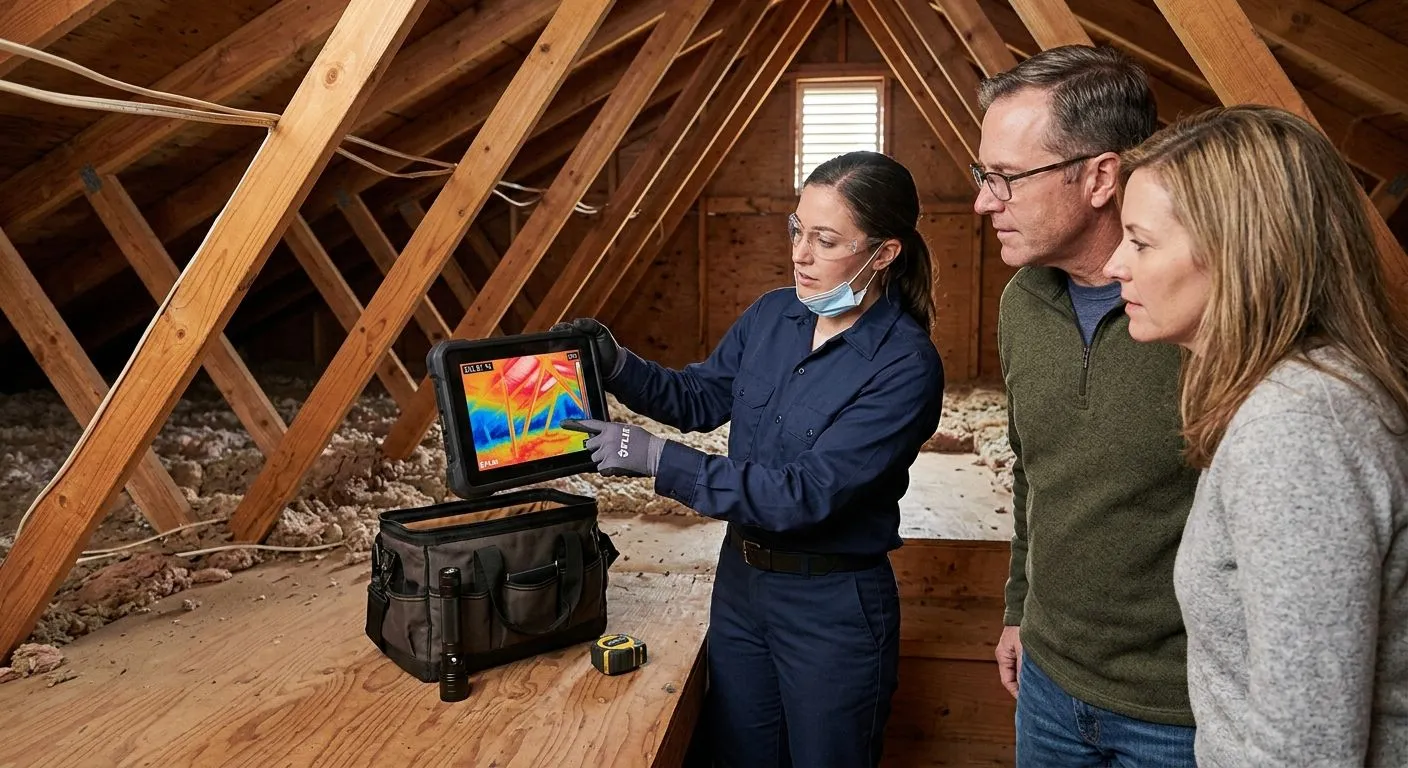
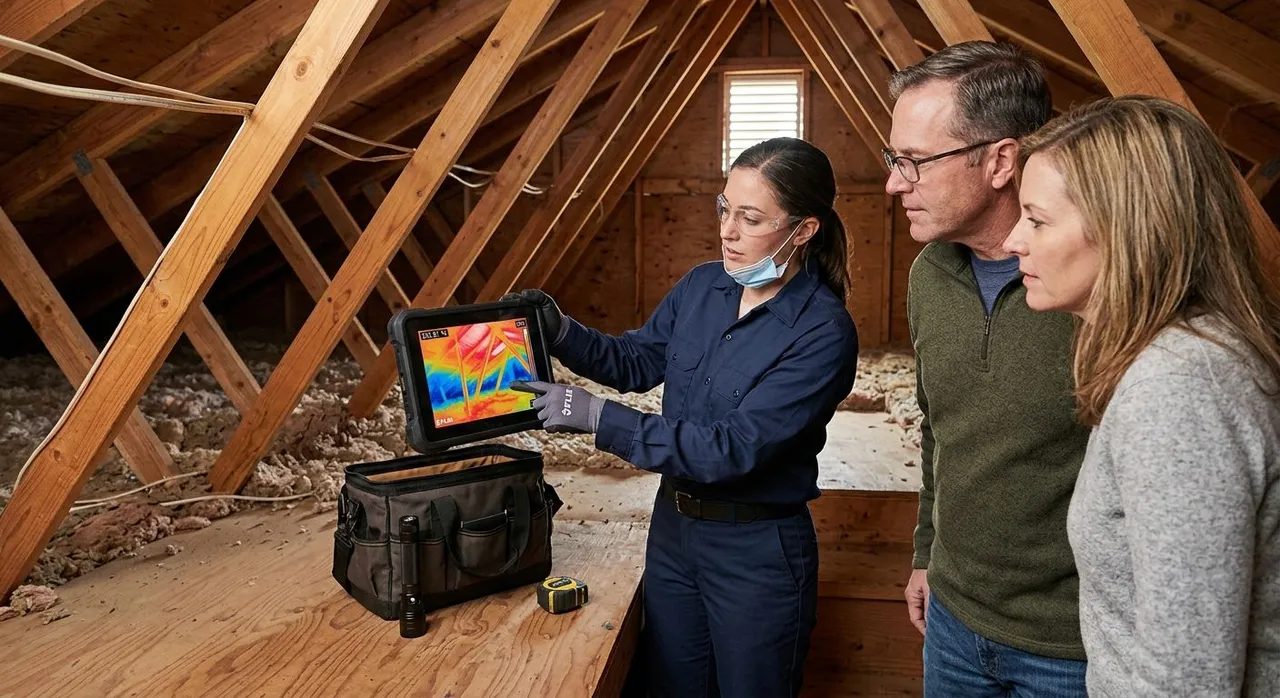
Insulation Specialist Inc in Placerville, CA, provides professional insulation services that meet local building codes and safety standards. Our team is trained to handle materials correctly, reduce exposure risks, and maximize energy efficiency for your home.
By hiring professionals, you avoid the common pitfalls of DIY installation, such as improper sealing, uneven coverage, and potential exposure to fiberglass dust. Our team uses high-quality materials and follows strict safety protocols to protect both homeowners and workers.
Whether you are insulating a new home, upgrading existing insulation, or replacing old materials, we offer reliable solutions tailored to your needs. With years of experience and a commitment to safety, we ensure that every project is completed efficiently and effectively.
Contact Insulation Specialist Inc Today About Fiberglass Insulation
If you are considering
fiberglass insulation for your home or business, trust
Insulation Specialist Inc in Placerville, CA. Our expert team will guide you through the process, ensure proper installation, and prioritize your safety every step of the way. We also install
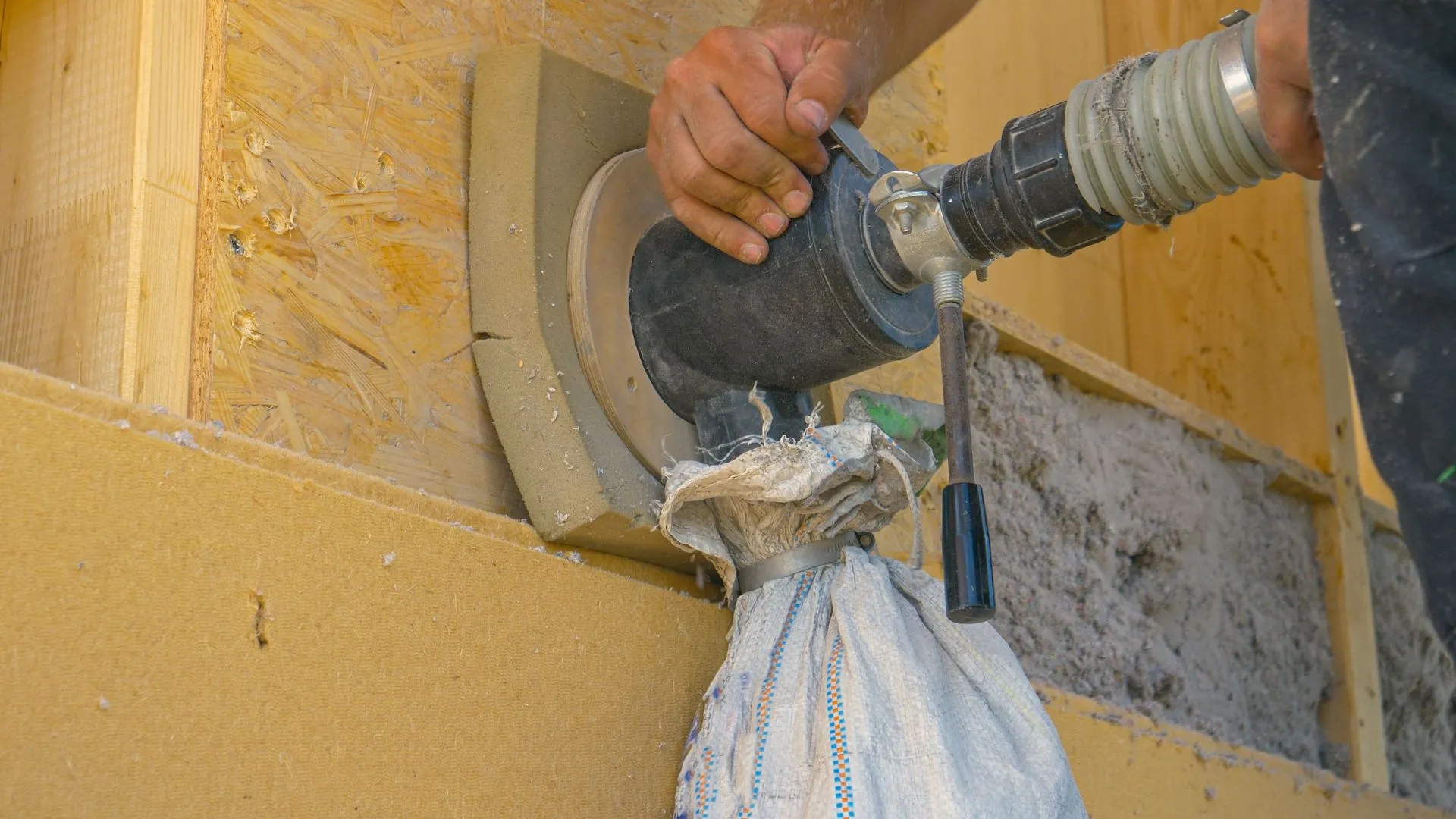
loose-fill and
spray foam insulation. Call us today at
(530) 401-3779 to schedule a consultation and improve your home’s comfort and energy efficiency.
FAQs
Is fiberglass insulation safe for homes?
Yes, fiberglass insulation is safe when installed correctly and handled with proper protective gear. It is non-combustible and widely used in residential and commercial buildings.
Can fiberglass insulation cause health problems?
Direct contact or inhalation of fiberglass dust may cause temporary irritation to the skin, eyes, or respiratory system. Wearing protective gear minimizes these risks.
How long does fiberglass insulation last?
Fiberglass insulation can last for decades, typically 20–30 years, if installed properly and kept dry. It does not degrade easily over time.
Should I install fiberglass insulation myself?
While DIY installation is possible, professional installation is recommended to ensure safety, proper coverage, and optimal thermal efficiency.
Does fiberglass insulation help with noise reduction?
Yes, fiberglass insulation absorbs sound effectively, reducing noise transmission between rooms and floors, making it a good option for soundproofing.