

Crawl Space Insulation: What Placerville Homes Need
Degraded or missing crawl space insulation is one of the most overlooked causes of high energy bills and moisture damage in foothill homes. If your floors feel cold in the morning, your HVAC runs constantly, or you notice musty odors, your crawl space may be the source.
Insulation Specialist Inc serves homeowners across Placerville, Folsom, and Rancho Cordova who deal with exactly these problems. This post breaks down why crawl space insulation fails, what the warning signs look like, and what a proper fix involves.
Why Crawl Spaces Are a Hidden Problem in Foothill Homes
Placerville sits in the Sierra Nevada foothills. That means hot, dry summers pushing into the mid-90s, followed by cold winters that drop near freezing. That temperature swing is brutal on a home's building envelope. Your crawl space sits right in the middle of it.
Many homes in the area were built before California first mandated insulation codes. Roughly half of California's housing stock predates that requirement. That means thousands of local homes either have zero crawl space insulation or have degraded materials that have lost nearly all effectiveness.
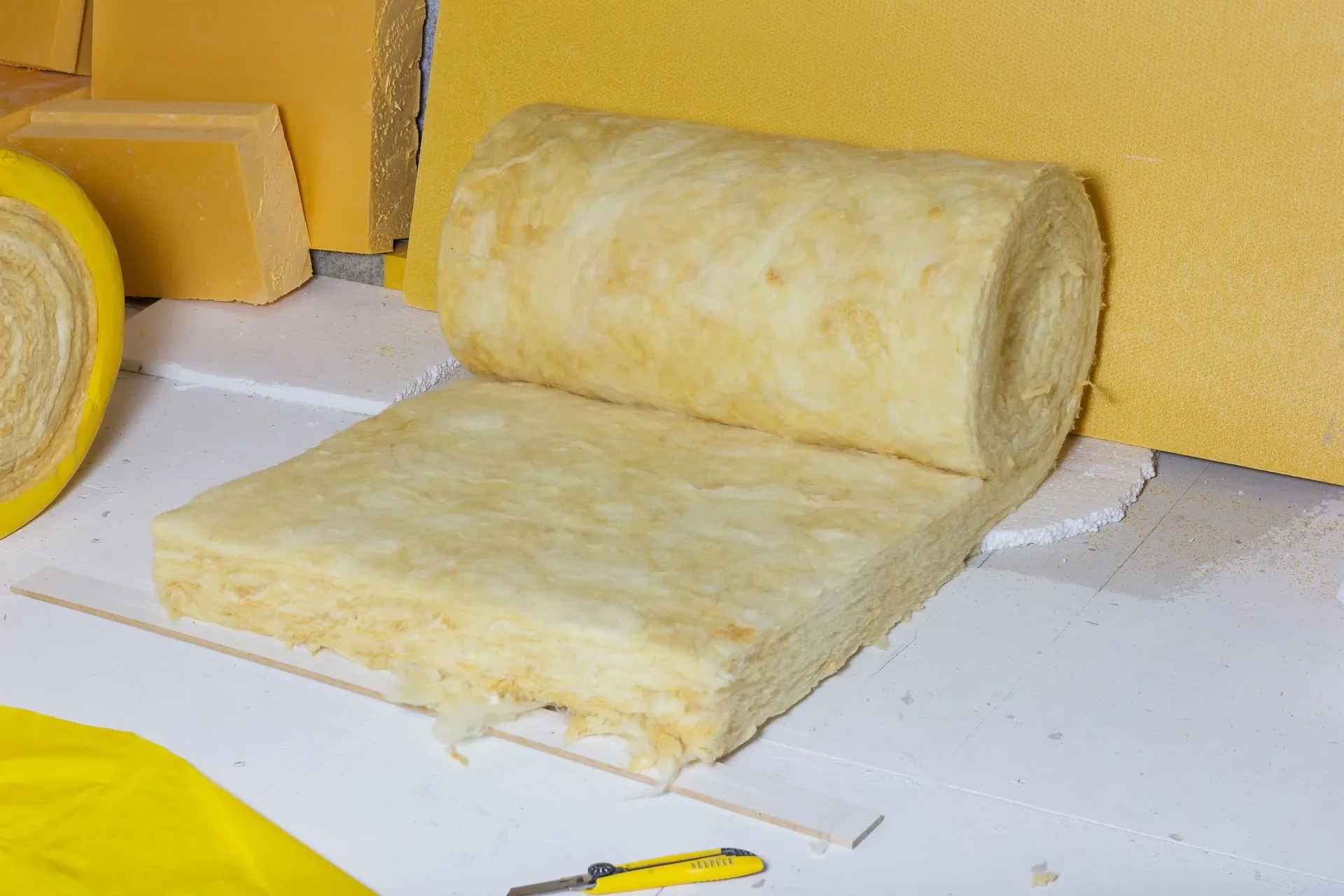
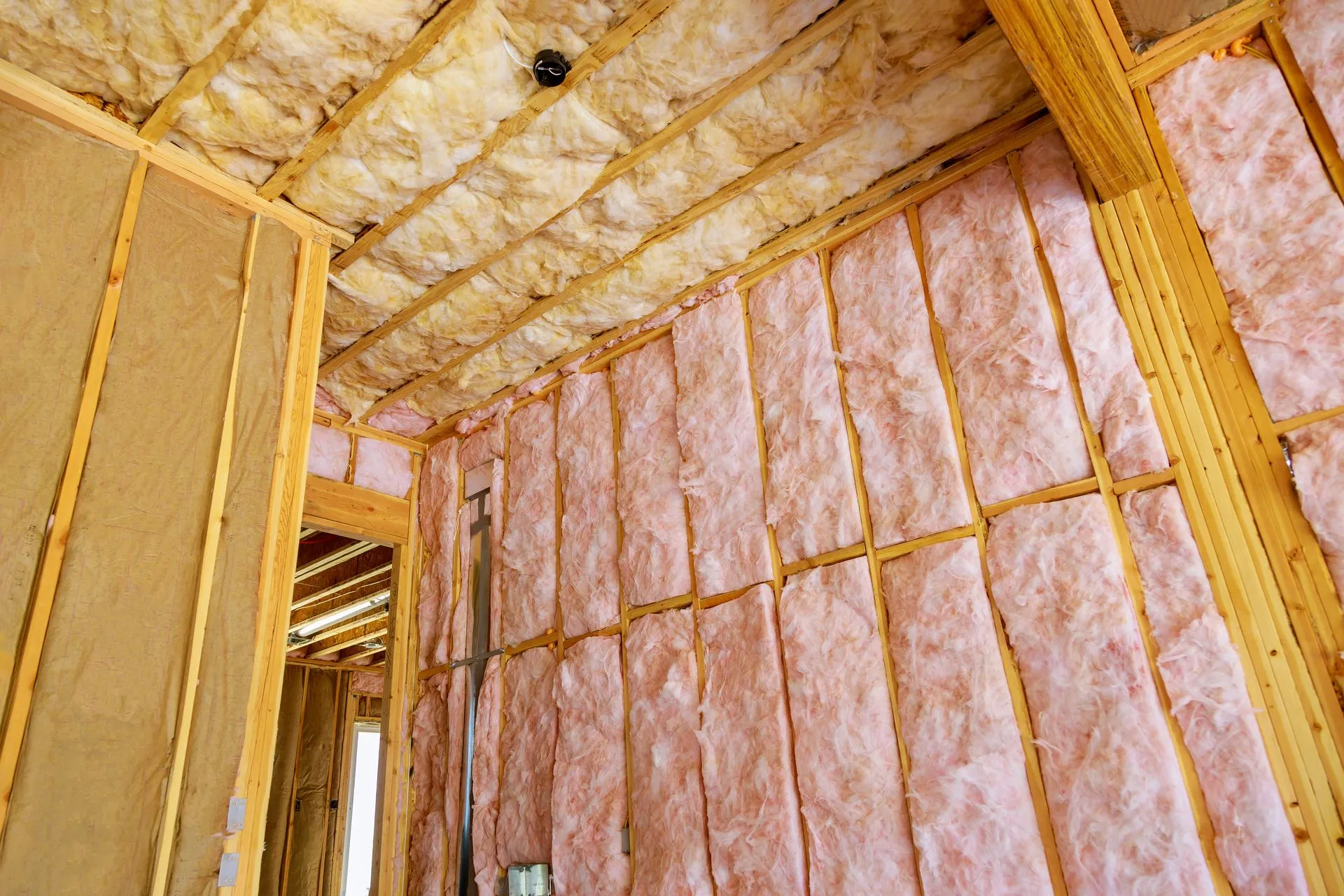
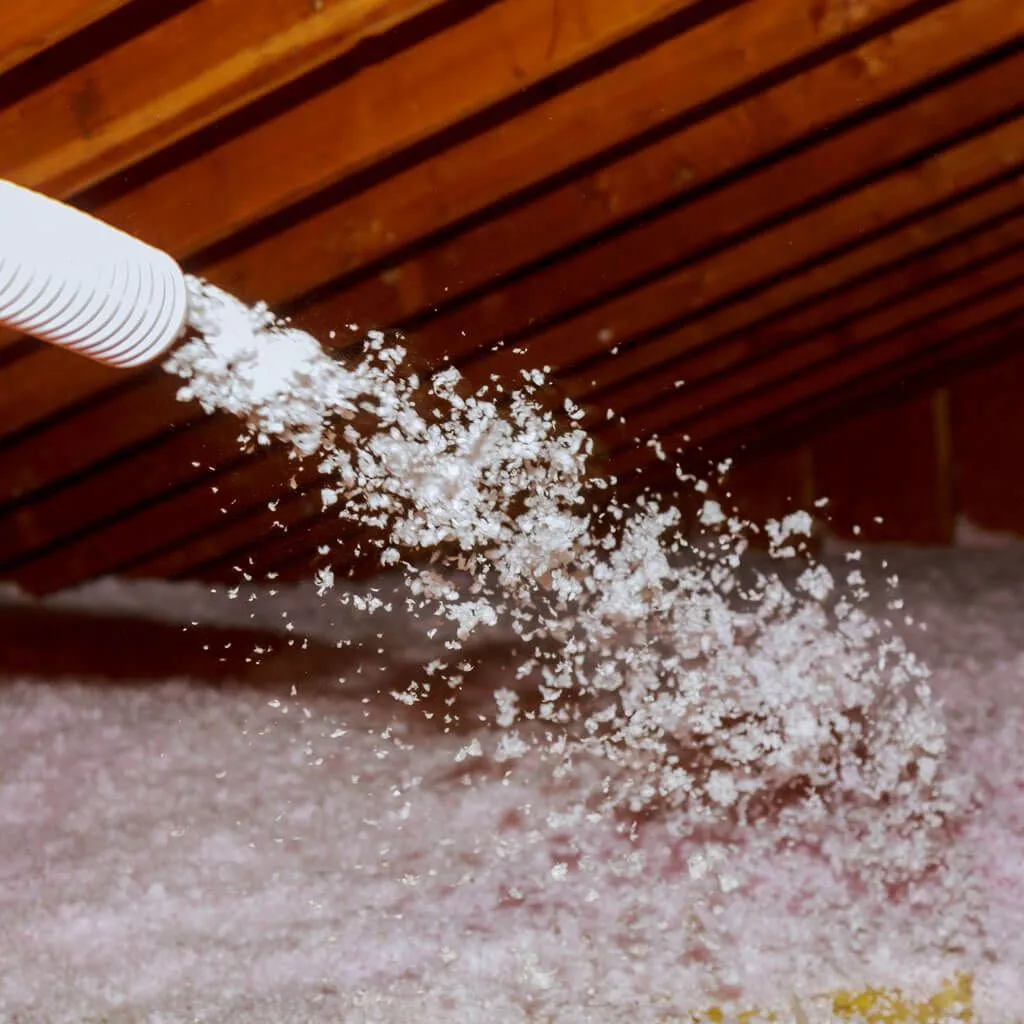
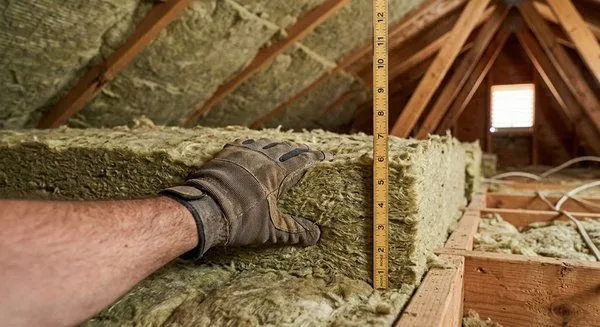
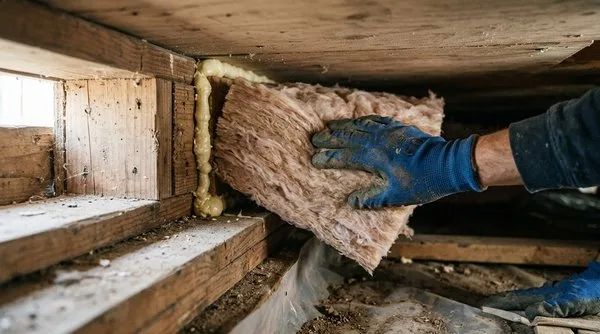
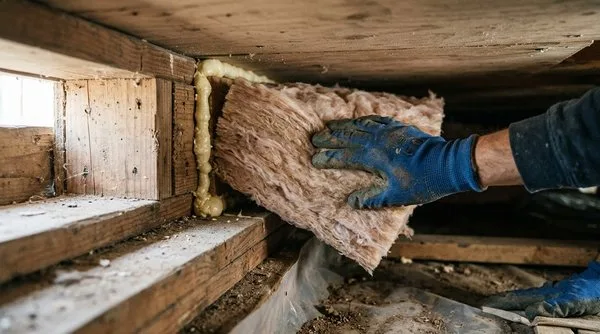
Old newspaper cellulose. Settled fiberglass batts sagging away from the subfloor. Bare dirt and zero vapor barrier. These are not rare findings. They are common ones.
The Moisture Trap: A Problem Unique to This Region
California's humid winter months create a specific risk in crawl spaces. Moisture rises from the soil, condenses on cold surfaces, and gets trapped inside the building envelope. Left unchecked, this leads to serious consequences.
Here is what trapped crawl space moisture causes over time:
- Wood rot in floor joists and subfloor framing
- Mold and mildew growth that spreads into living spaces
- Compromised insulation R-values as materials absorb moisture
- Pest infestations drawn to damp, dark environments
- Structural damage that becomes expensive to repair
The problem gets worse when homeowners add more insulation without addressing ventilation or vapor control. More insulation without a proper air barrier or vapor membrane does not solve the issue. It makes the moisture problem harder to detect until the damage is severe.
Signs Your Crawl Space Insulation Is Failing
Some problems are visible from inside the home. Others require a closer look below the floor. Here are the most common warning signs to watch for:
Inside the home:
- Uneven floor temperatures, especially in rooms on the ground level
- Cold floors during fall and winter mornings
- Unexplained spikes in heating and cooling costs
- A musty smell that is stronger near floor vents or baseboards
- Allergy or respiratory symptoms that worsen indoors
In the crawl space itself:
- Insulation batts hanging loose or fallen to the ground
- Visible mold or dark staining on wood framing
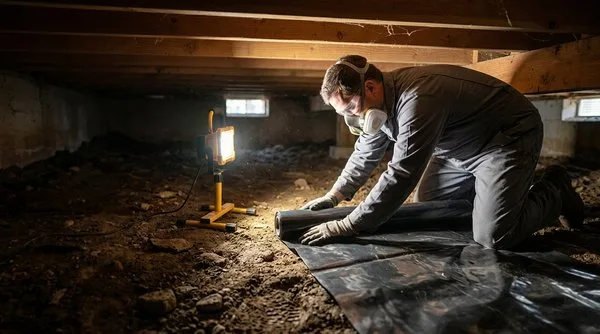
- Standing water or damp soil with no vapor barrier
- Condensation on pipes or ductwork
Any one of these signs warrants a professional inspection. Several of them together signal an urgent situation.
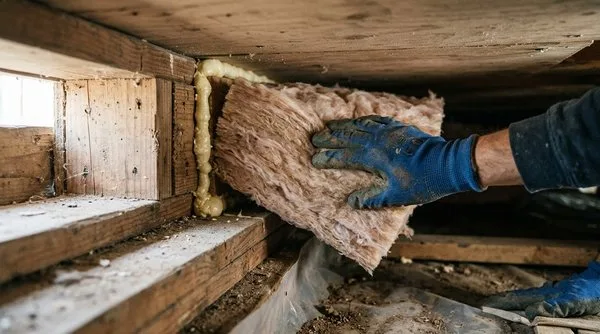
The 2026 Standard: What Proper Crawl Space Insulation Looks Like
California's updated Title 24 Building Energy Efficiency Standards, which took effect on January 1, 2026, raised the bar for insulation performance across the state. Required R-values increased by roughly 10% in several climate zones. Airtightness standards tightened as well, reducing the maximum allowable air leakage to 4 air changes per hour (ACH50).
These changes affect anyone pulling a permit for a renovation, addition, or new build this year. If your crawl space does not meet current R-value targets and airtightness requirements, your project will not pass inspection.
Even outside of permitted work, the 2026 standards reflect what high-performance insulation looks like. A properly insulated crawl space includes:
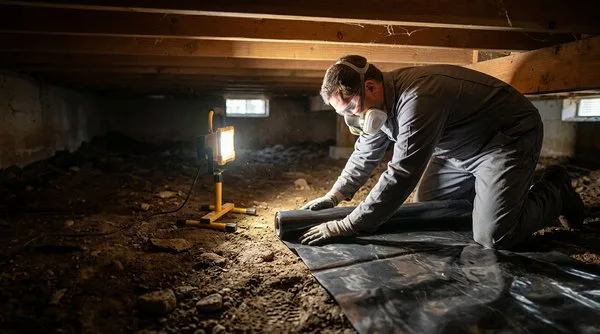
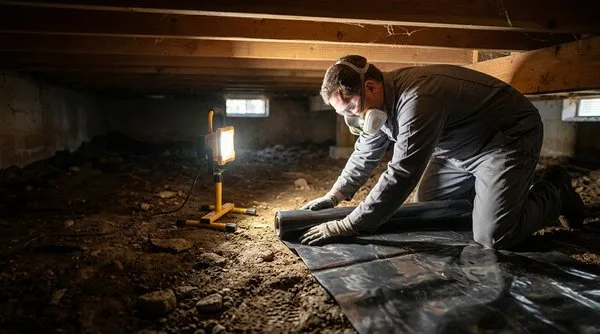
- A continuous vapor barrier installed over the soil
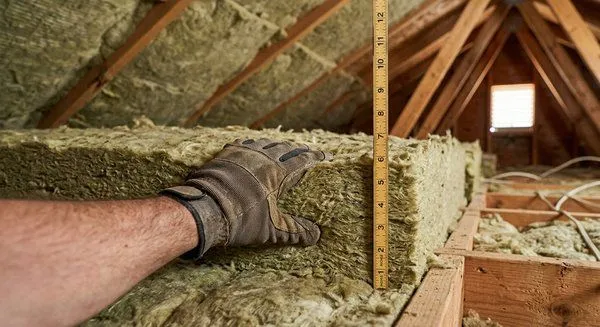
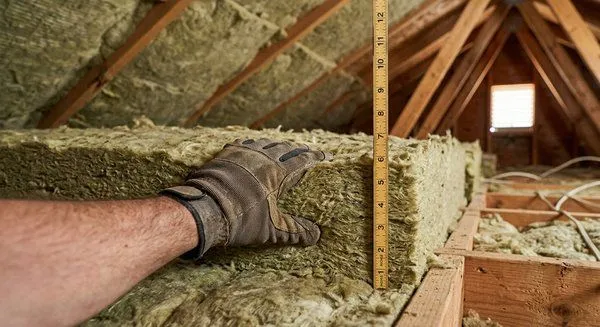
- Insulation installed flush against the subfloor with no gaps or compression
- An air barrier at the rim joists and foundation walls
- Adequate ventilation to prevent moisture buildup
- R-values appropriate to your local climate zone
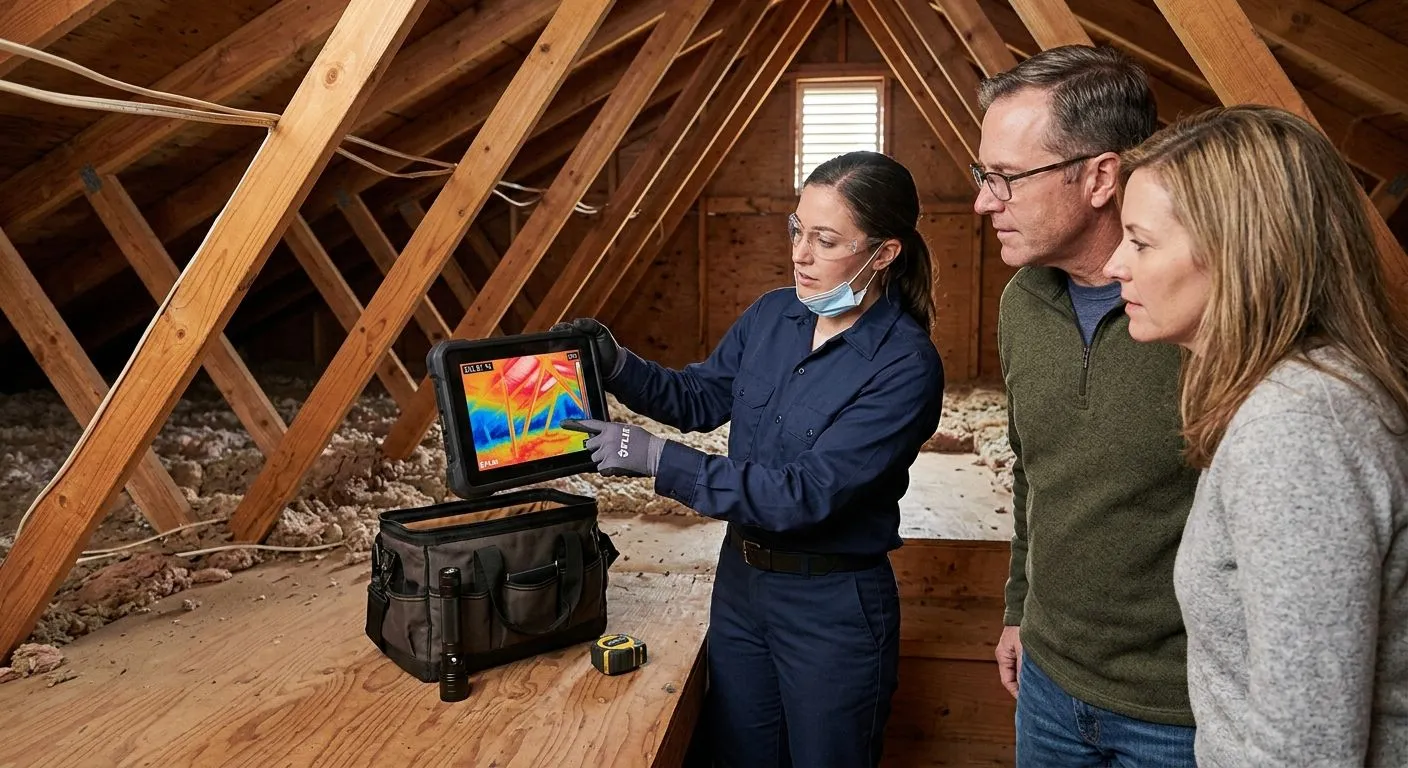
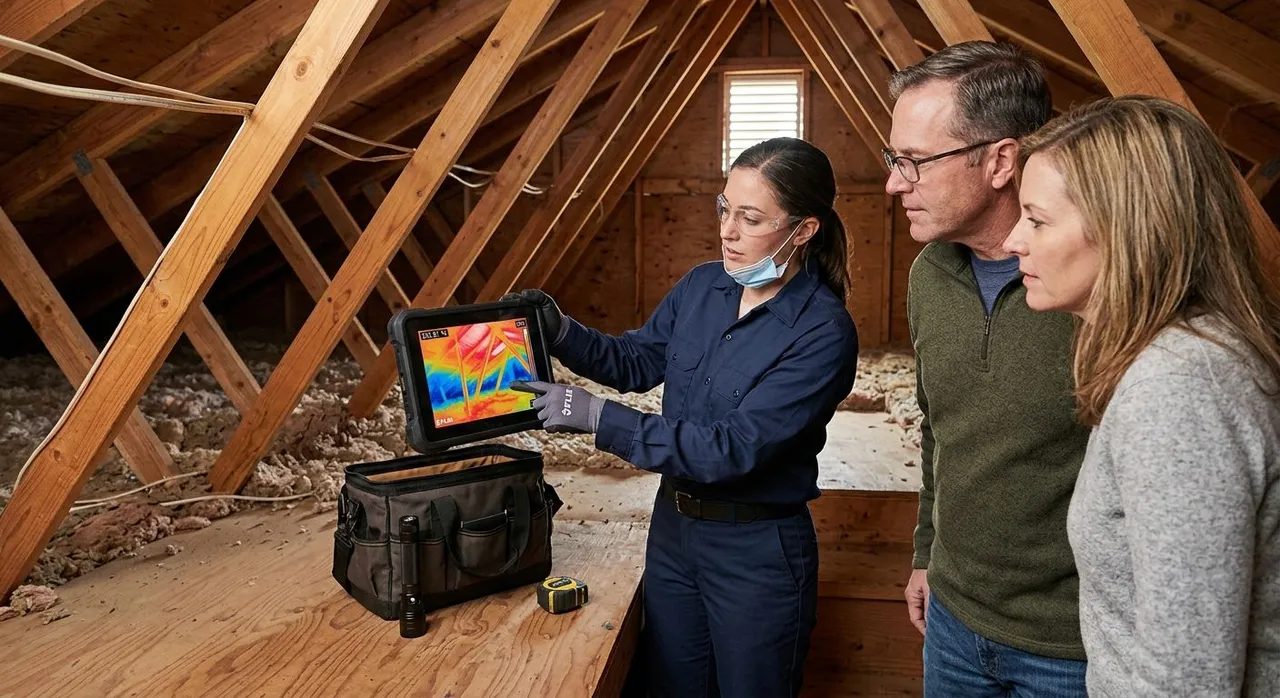
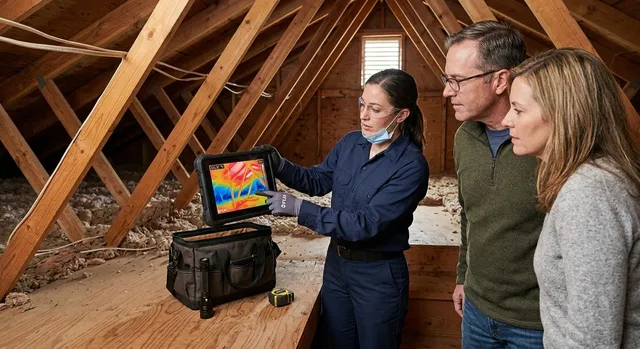
Getting this right requires precise installation. A professional uses thermal imaging to identify air leaks before installation and ensures vapor management is handled correctly from the start.
Why Professional Crawl Space Insulation Services Matter
DIY crawl space insulation projects carry real risk. The confined space, exposure to old materials, and complexity of vapor management make this one of the most technically demanding insulation jobs in a home.
Heating and cooling account for roughly 30% of a California home's total energy use. Upgrading under-insulated spaces to modern code-compliant levels routinely cuts those costs by 15% to 30%. That is a meaningful return on a professional installation.
Beyond the energy savings, sealing and insulating a crawl space properly creates a barrier against outdoor allergens, pests, and wildfire smoke. For foothill communities, that last benefit carries growing importance.
If your home shows any of the warning signs above, now is a smart time to act before the colder months drive up heating demands. Contact Insulation Specialist Inc to schedule a crawl space insulation inspection and get a clear picture of what your home needs.
Frequently Asked Questions
How do I know if my crawl space insulation needs to be replaced?
The clearest signs are sagging or fallen insulation batts, cold floors in ground-level rooms, musty odors, and rising energy bills. A professional inspection with thermal imaging can confirm whether the insulation is still performing.
Will adding more insulation fix a moisture problem in my crawl space?
No. Adding insulation without addressing vapor control and ventilation can trap moisture and accelerate wood rot and mold growth. Moisture management must come first, then insulation.
Does the 2026 Title 24 update affect my crawl space if I am not doing a full renovation?
If you are pulling a permit for any work this year, your insulation must meet current standards. Even without a permit, the updated code reflects best practices that protect your home and reduce energy costs.
Can proper crawl space insulation reduce wildfire smoke intrusion?
Yes. Sealing gaps and installing a continuous air barrier in the crawl space reduces the pathways that outdoor air, including smoke-laden air, uses to enter your home.
How long does a professional crawl space insulation job take?
Most residential crawl space insulation projects are completed in one to two days, depending on the size of the space and the condition of existing materials.