When it comes to home insulation, fiberglass insulation is one of the most widely recognized materials. That fluffy pink or yellow batt in your attic or behind your walls is not just a cozy decoration. It is a carefully engineered product designed to keep your home comfortable, energy efficient, and even safer. But have you ever wondered what fiberglass insulation is actually made of? Understanding its composition, types, and uses can help you make smarter decisions for your home’s insulation needs.
In this guide, we will break down the science behind fiberglass insulation, explore the different types available, and discuss the most common applications in modern homes. We will also share practical tips and a few safety considerations to make the topic easier to understand.
The Composition of Fiberglass Insulation
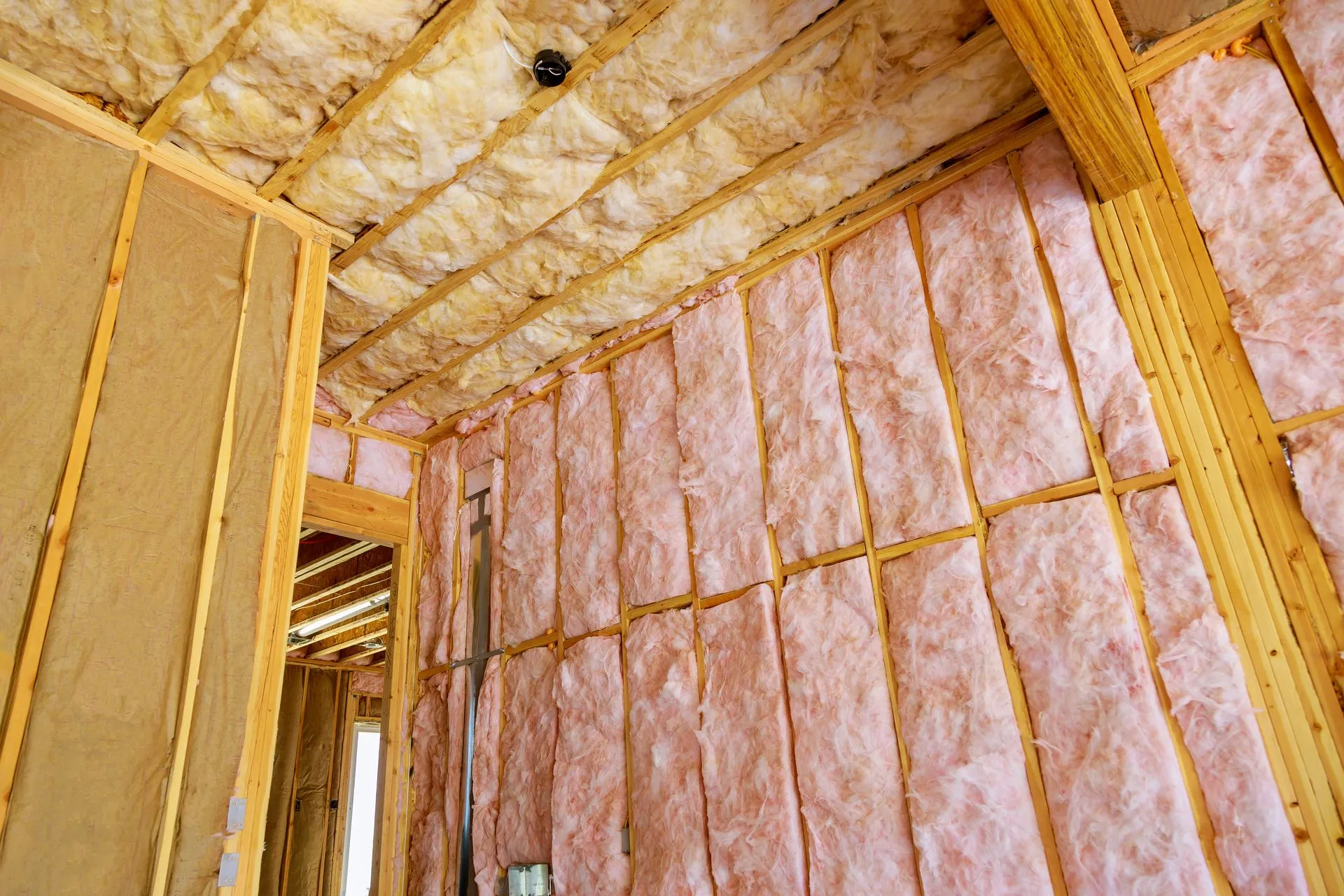
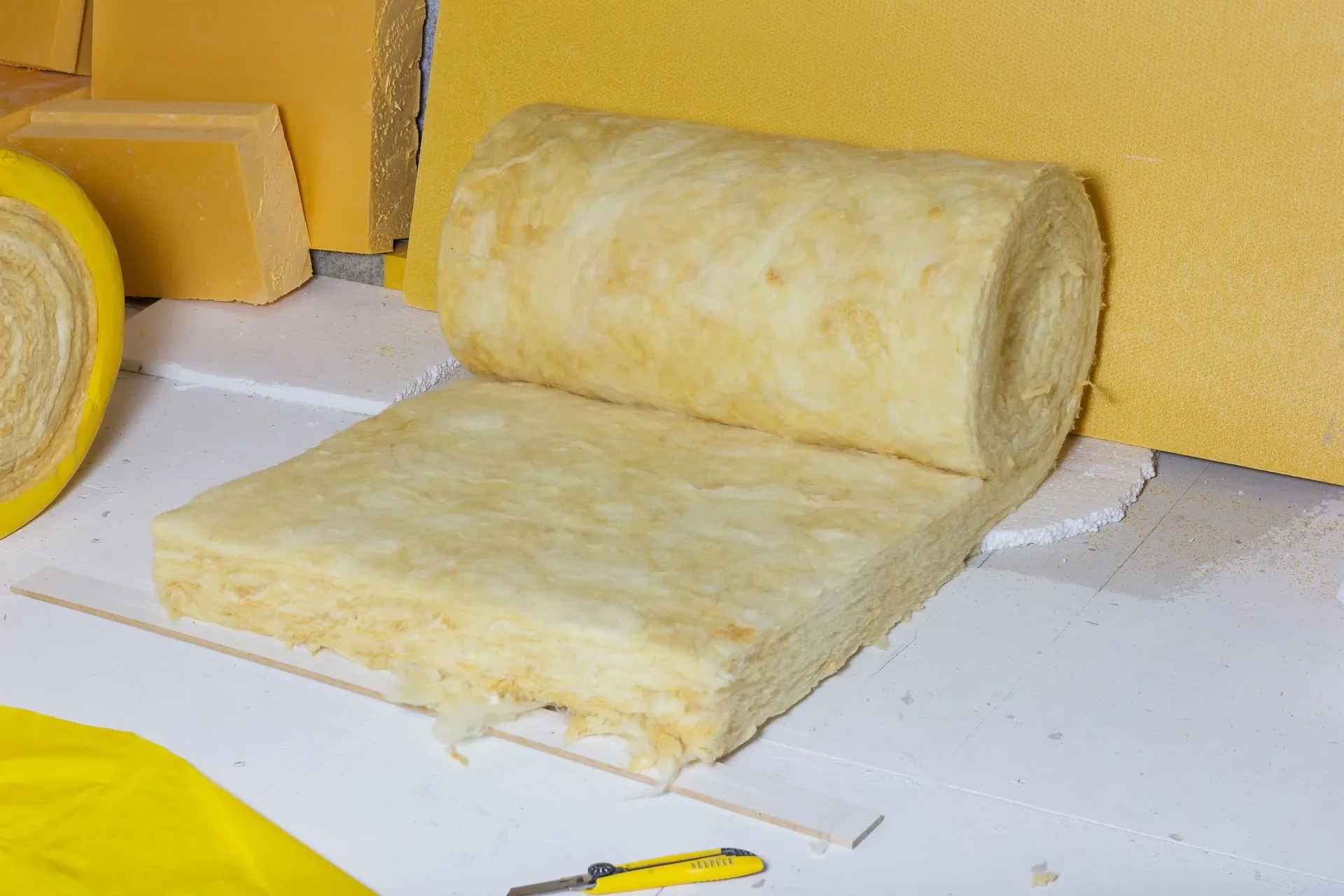
Fiberglass insulation is made from extremely fine glass fibers that are spun together to create a lightweight, fluffy material. The process is similar to making cotton candy, but with molten glass instead of sugar. These fibers trap air, which is what makes fiberglass such an effective thermal insulator.
Core Ingredients
- Glass fibers: The main component, usually composed of recycled glass, sand, and soda ash.
- Binders: Adhesive materials that hold the fibers together, giving the insulation its shape and stability.
- Additives: Some products include fire retardants or antimicrobial agents to improve safety and durability.
The combination of these elements results in a material that is lightweight, flexible, and highly efficient at slowing heat transfer. The air pockets within the fiberglass fibers act like tiny blankets, trapping heat in winter and keeping hot air out during summer.
Fun Fact
The glass fibers themselves are incredibly thin, often thousands of times thinner than a human hair. That is why handling fiberglass without protection can feel itchy and irritating. Think of it as a very tiny, invisible tickle that covers every exposed part of your skin.
Types of Fiberglass Insulation
Fiberglass insulation is available in several formats, each suited to different areas of your home or building project. Choosing the right type is essential to maximize energy efficiency and comfort.
Batts and Rolls
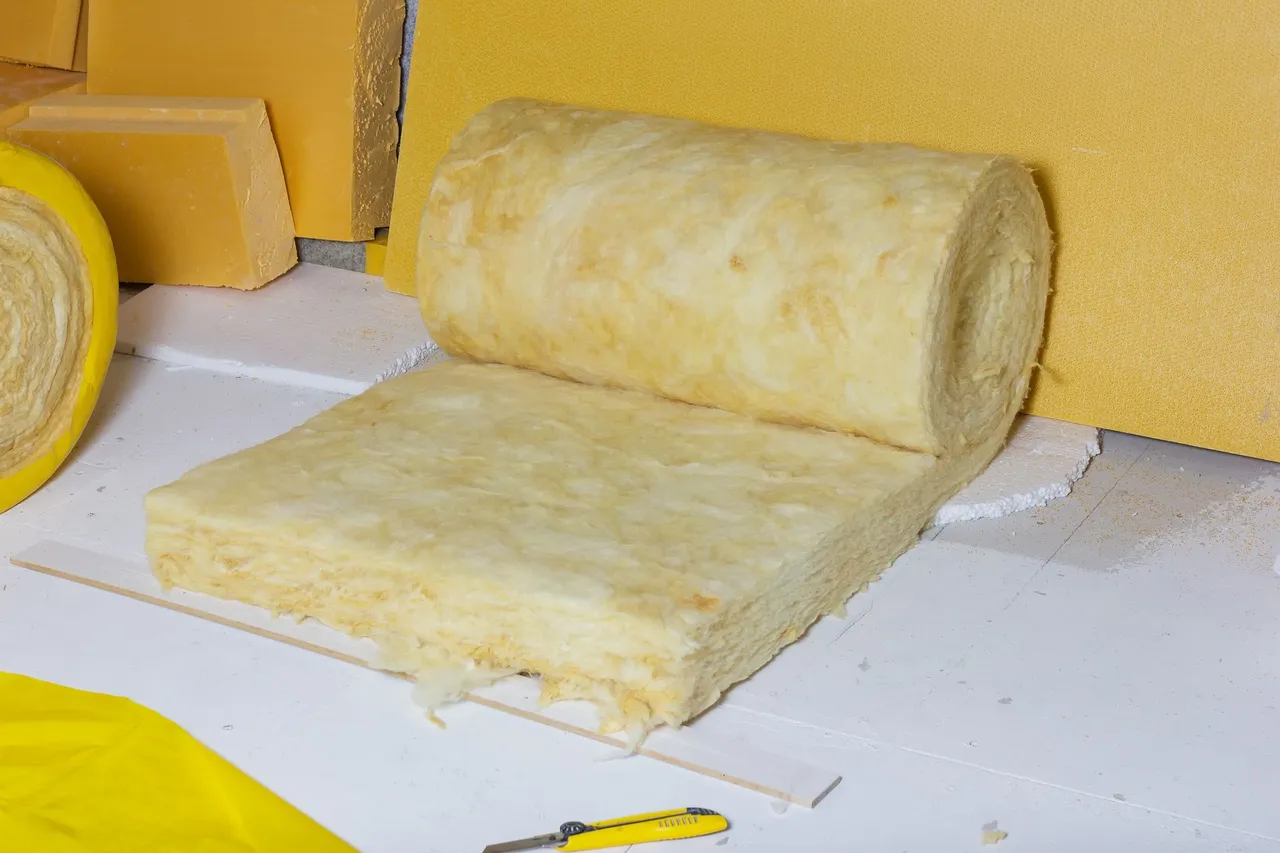
- Description: Pre-cut panels or long rolls of insulation.
- Applications: Walls, ceilings, and attics.
- Advantages: Easy to install and widely available.
Loose Fill
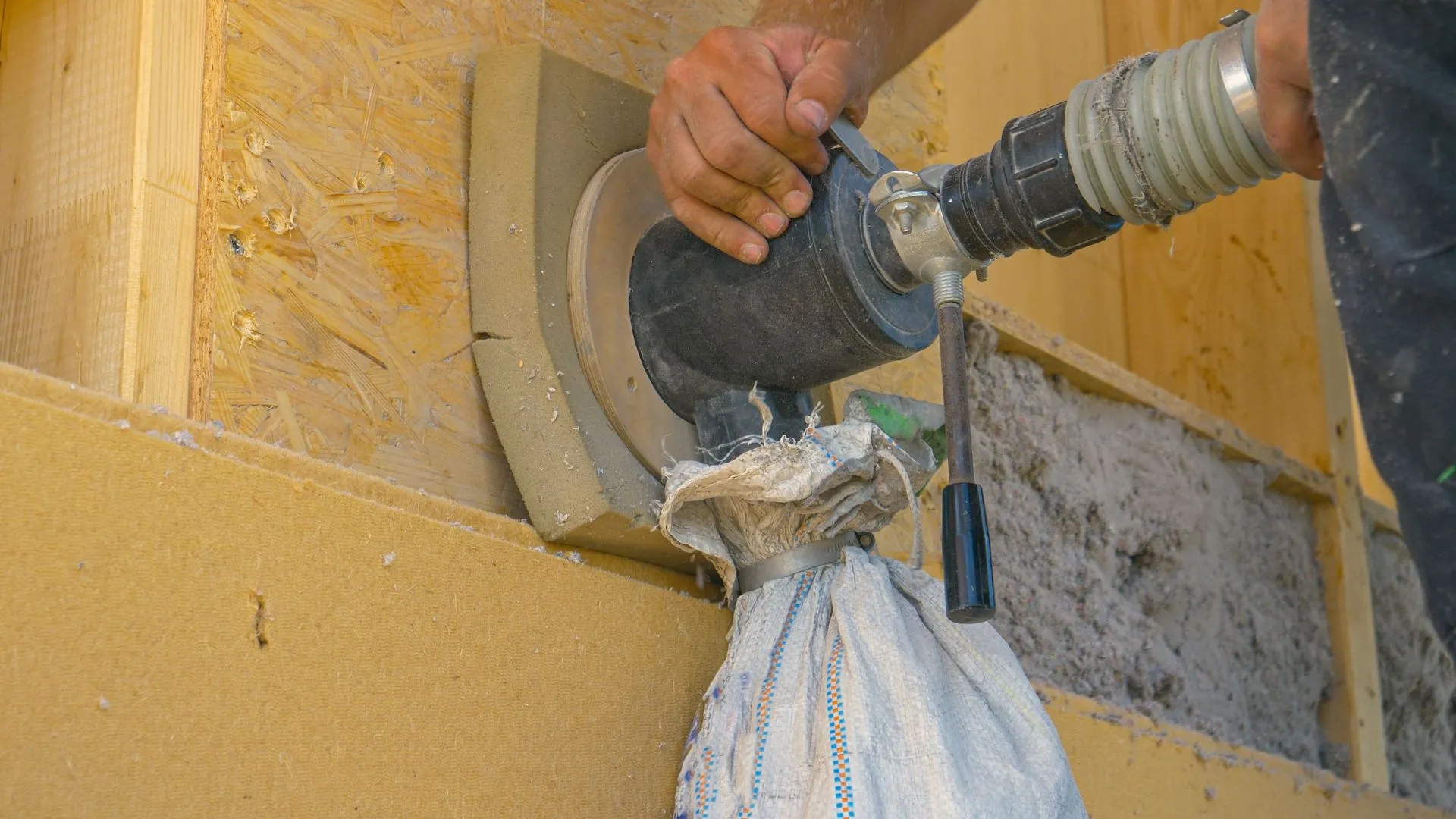
- Description: Small, fluffy pieces of fiberglass blown into spaces using special equipment.
- Applications: Attics, hard-to-reach areas, or retrofits.
- Advantages: Excellent for filling gaps and irregular spaces.
Rigid Boards
- Description: Firm panels made from compressed fiberglass fibers.
- Applications: Exterior walls, basement walls, and commercial buildings.
- Advantages: Durable, moisture resistant, and offers structural support.
Each type has its strengths. For example, loose fill works well in older homes where gaps exist, while batts are often the go-to solution for new construction.
Uses of Fiberglass Insulation
Fiberglass insulation is versatile and can be applied in a variety of ways to improve comfort and efficiency in your home. Here are some common uses:
Thermal Insulation
The primary purpose is to reduce heat transfer between indoor and outdoor environments. By maintaining stable indoor temperatures, fiberglass insulation helps homeowners save on heating and cooling costs.
Soundproofing
Fiberglass insulation also helps reduce noise. It dampens sound traveling through walls, ceilings, and floors, making it an excellent choice for shared walls or home offices.
Fire Resistance
Fiberglass is naturally fire resistant. While it will not burn easily, it can slow the spread of flames in the unlikely event of a fire.
Energy Efficiency and Environmental Benefits
- Reduces energy consumption and lowers utility bills.
- Often contains recycled glass, making it a more eco-friendly choice.
A little humor here: fiberglass insulation might not make your home feel like a castle, but it can certainly keep your energy bills from feeling like a dragon attack.
Safety Considerations When Handling Fiberglass
While fiberglass insulation is not inherently dangerous, improper handling can cause irritation and discomfort. Understanding the safety considerations can make your insulation project smoother and safer.
Personal Protective Equipment
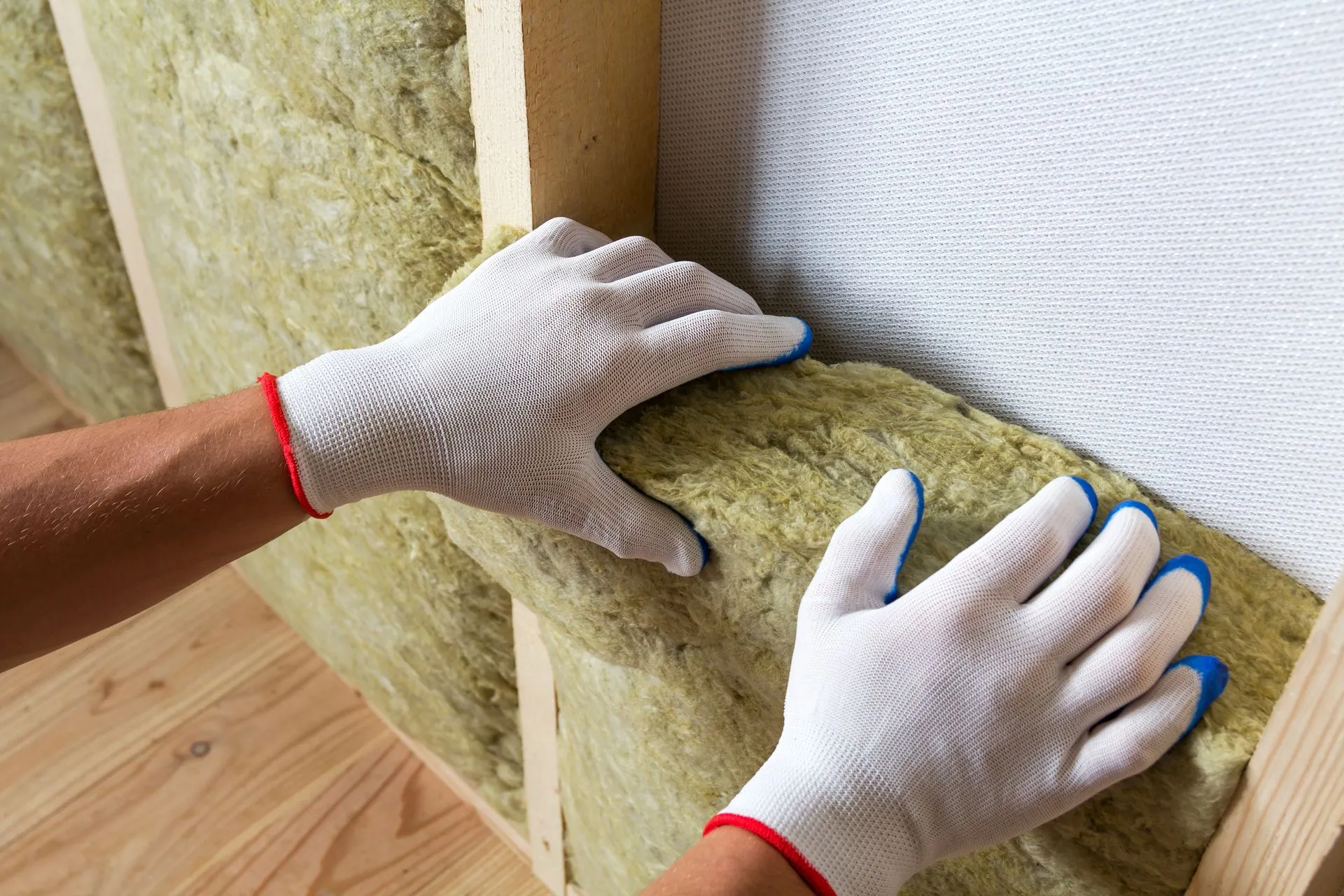
- Long sleeves and pants
- Gloves
- Safety goggles
- Dust mask or respirator
Installation Tips
- Work in well-ventilated areas to reduce airborne fibers.
- Avoid rubbing exposed skin; gently wash if contact occurs.
- Keep insulation away from moisture to maintain its effectiveness.
Many homeowners choose to hire a
professional insulation contractor to avoid the hassle and potential irritation. Professionals can install fiberglass insulation quickly, safely, and with minimal disruption to your home.
How Professionals Install Fiberglass Insulation
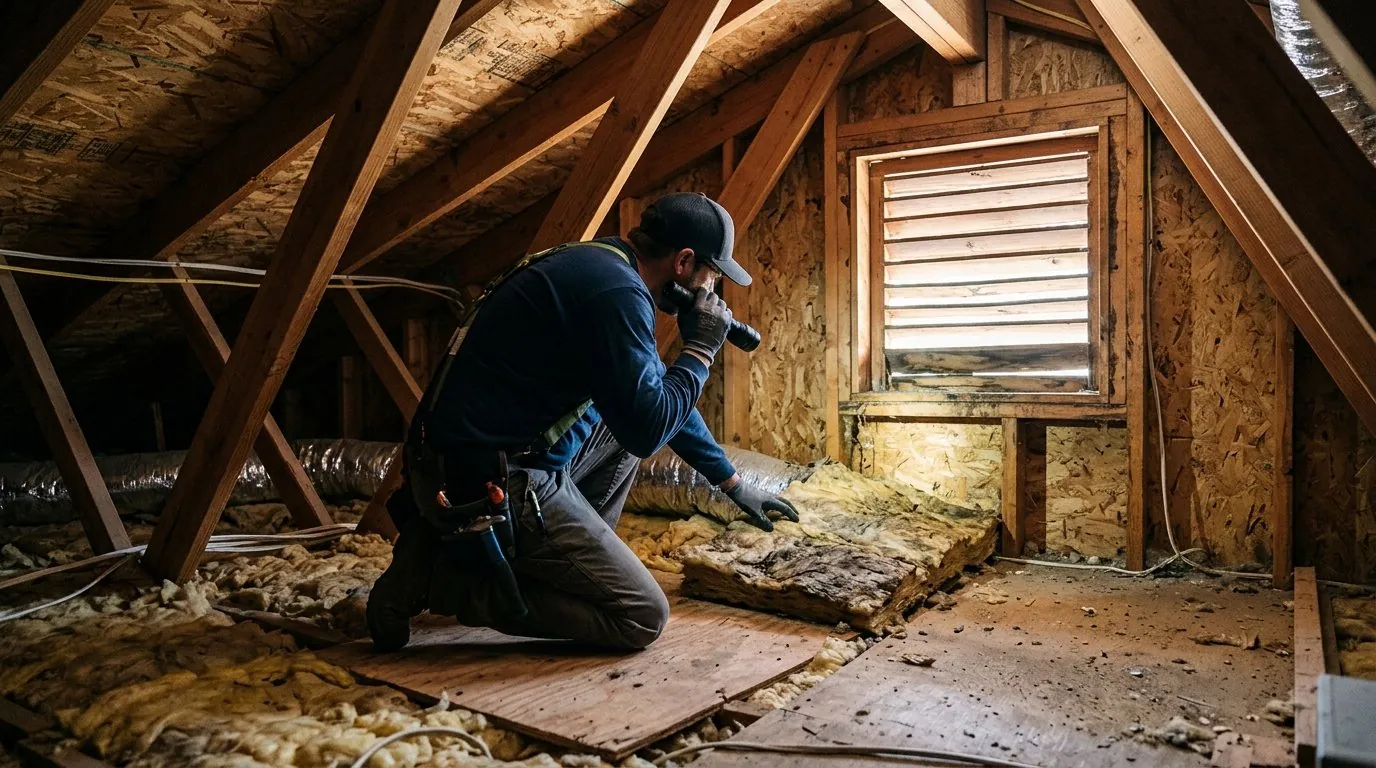
Installation is not just about unrolling batts or blowing in loose fill. Professionals follow a process to ensure your insulation performs optimally.
Step 1: Assessment
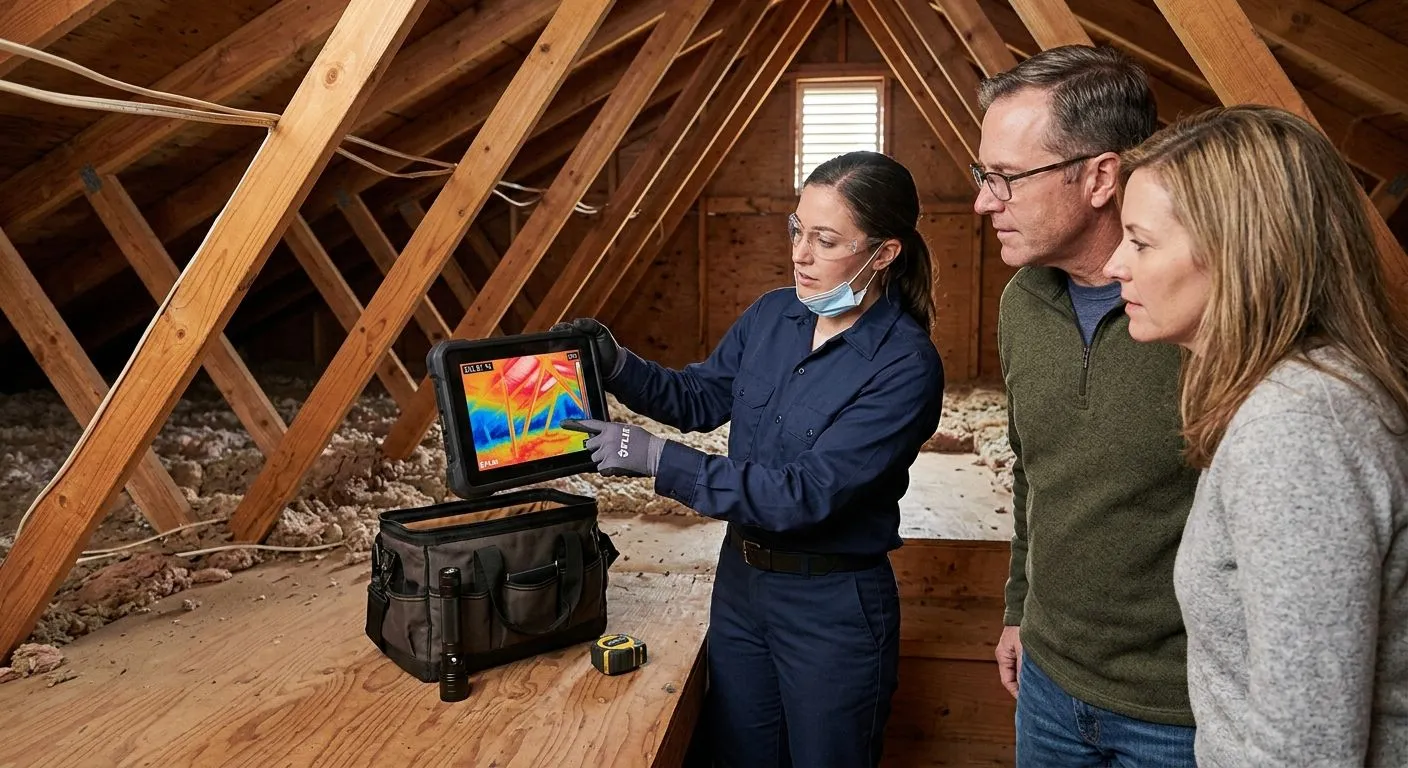
A professional contractor evaluates your home to identify areas where insulation is needed and recommends the best type.
Step 2: Preparation
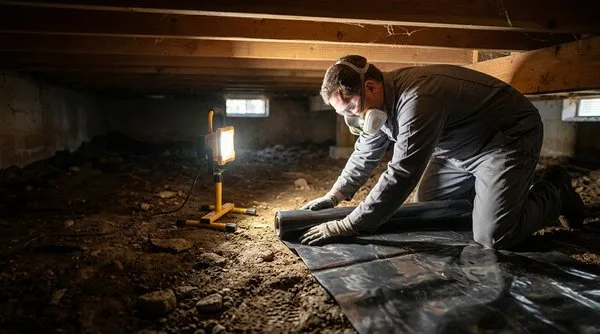
The installation area is cleared and prepared. Dust and debris are minimized, and protective coverings may be used for floors and furniture.
Step 3: Installation
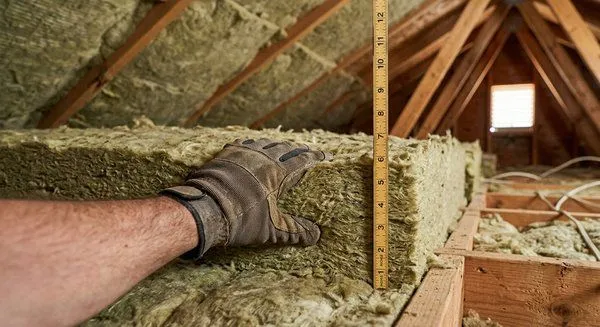
- Batts and rolls are cut to fit spaces between studs or joists.
- Loose fill is blown into attics or wall cavities to fill gaps and irregular areas.
- Rigid boards are measured, cut, and secured to walls for a consistent layer of insulation.
Step 4: Finishing Touches
The insulation is checked for proper coverage, any holes are sealed, and the area is cleaned up. Your home is now ready to enjoy improved comfort and energy efficiency.
A little humor: after the installation, your home might not sprout wings, but your heating and cooling bills will definitely feel lighter.
Call Insulation Specialist Inc. for Professional Fiberglass Insulation in Placerville, CA
If you are ready to upgrade your home’s insulation, Insulation Specialist Inc. can help. Our team provides professional fiberglass insulation installation to keep your home comfortable, energy efficient, and safe. We proudly serve Placerville, CA and the surrounding areas. Call us today at (530) 401-3779 to schedule your insulation consultation and improve your home’s performance.
In addition to fiberglass insulation, we also offer
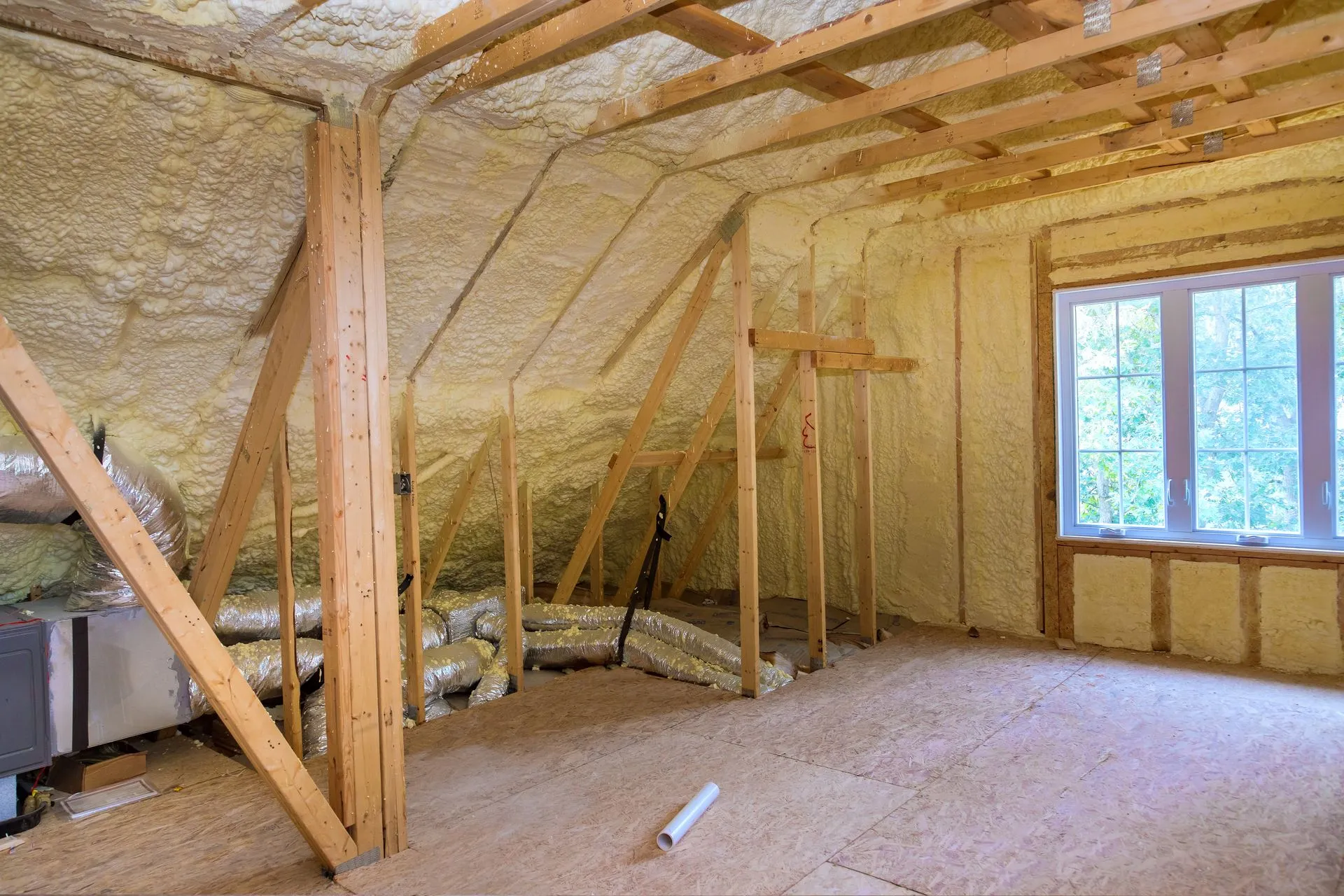
spray foam insulation installation and
loose fill insulation installation for customized solutions that meet your home’s needs. Whether you are replacing old insulation or installing new insulation during construction, our experienced insulation contractors will ensure your project is done right the first time.
FAQs
What is fiberglass insulation made of?
Fiberglass insulation is made from tiny glass fibers combined with binders and sometimes additives for fire resistance or antimicrobial properties.
What are the different types of fiberglass insulation?
Common types include batts and rolls, loose fill, and rigid boards, each suitable for different applications in your home.
Is fiberglass insulation safe to handle?
Yes, but it can irritate skin, eyes, or lungs if proper precautions are not taken. Wearing protective clothing, gloves, goggles, and a mask is recommended.
Can fiberglass insulation help with soundproofing?
Yes. Fiberglass insulation reduces noise transmission through walls, ceilings, and floors.
How long does fiberglass insulation last?
With proper installation and minimal exposure to moisture, fiberglass insulation can last decades, often 20 to 30 years or more.